

Stop Treating Your Conference Media Team Like a One-and-Done Vendor
Hiring a new photographer or videographer for every conference may save a little money upfront, but it creates more work, more vetting, and more risk for your team. Here’s why working with an experienced nationwide corporate media partner can make every conference easier.
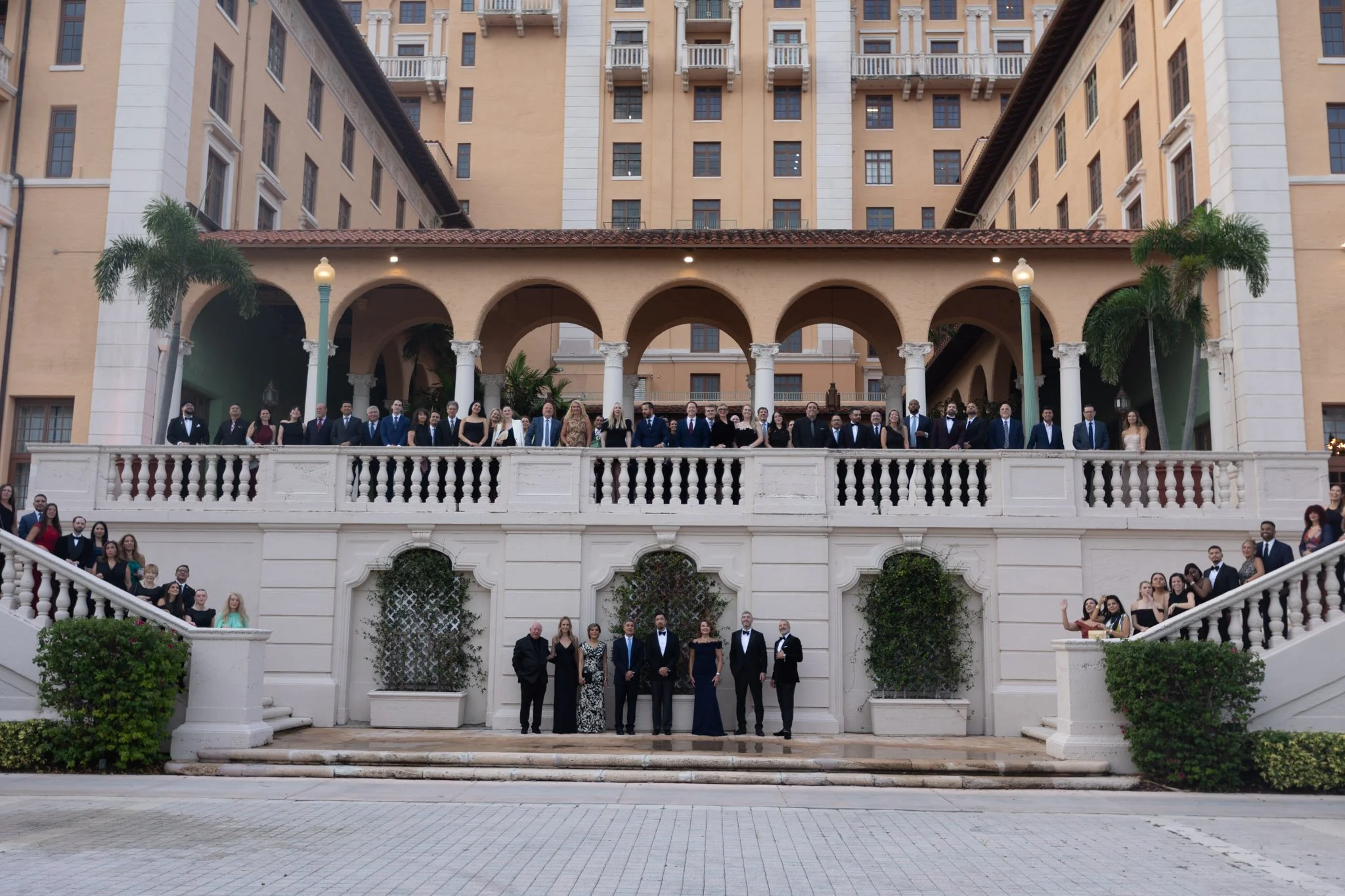
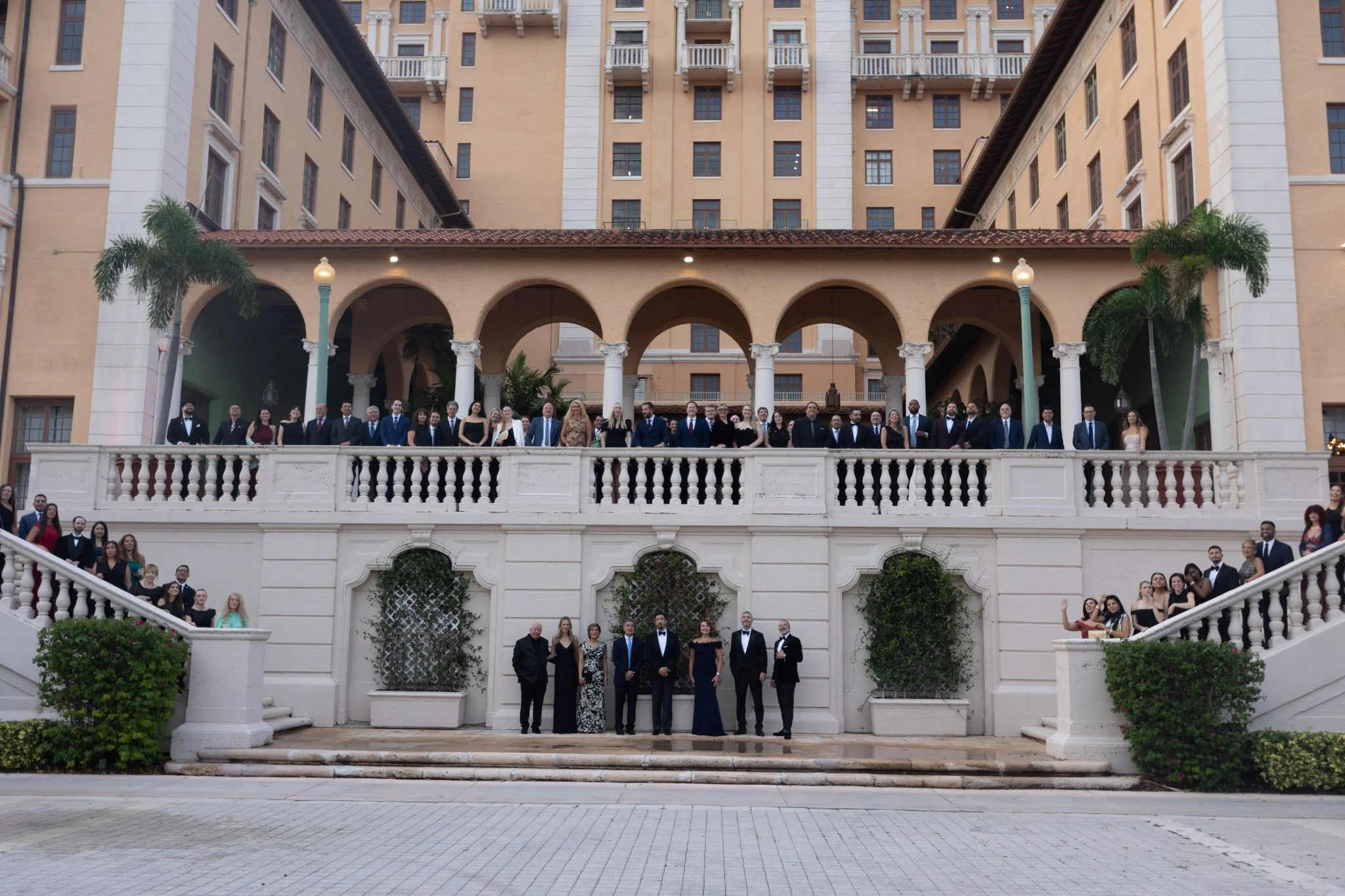
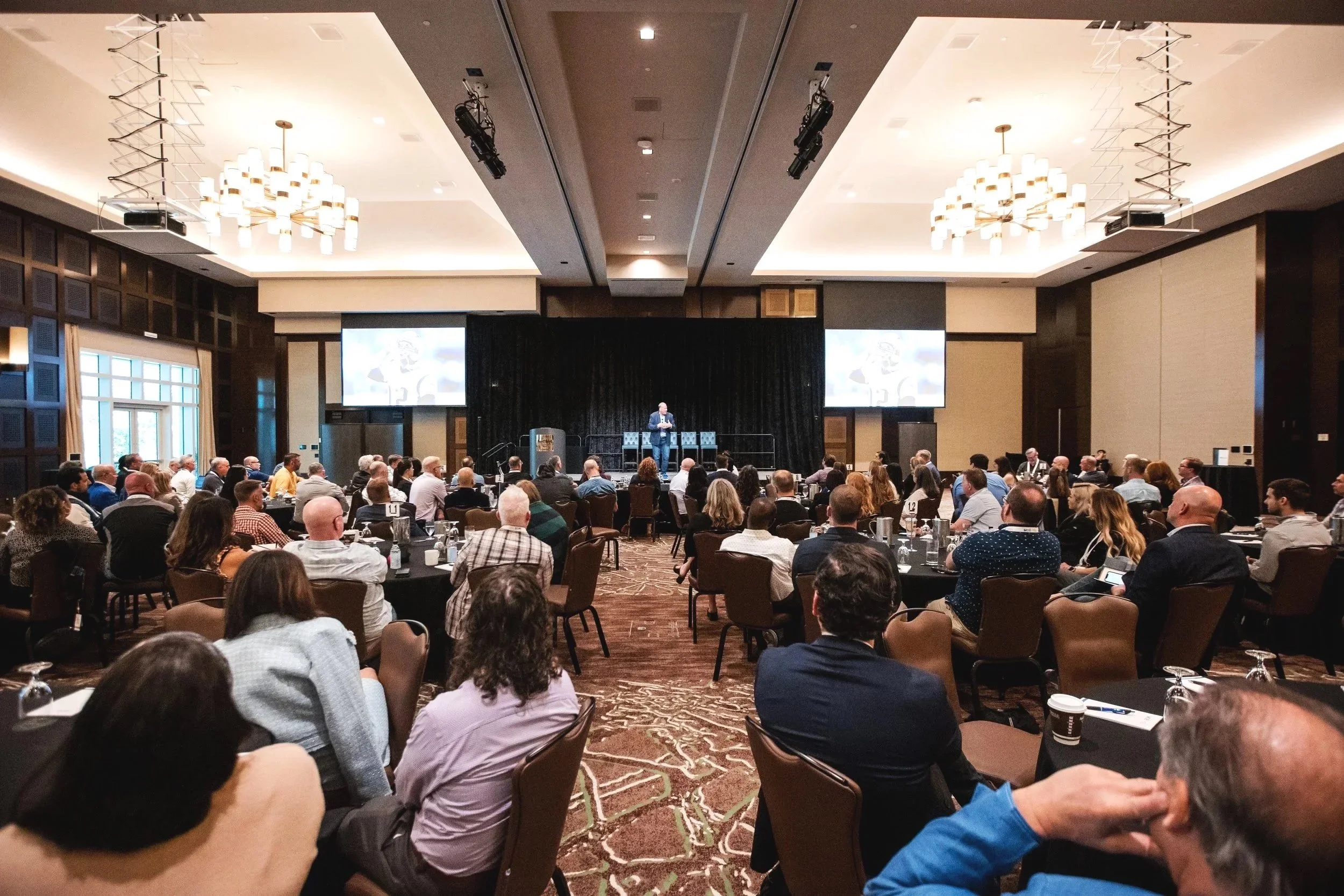
Biltmore 2026 Corporate Gala , shot by Mae Media LLC
Every conference planner is looking at budgets.
That makes sense.
You have a venue to pay for. AV. Catering. Speakers. Travel. Signage. Staffing. Production. Registration. Sponsors. And about a hundred other things competing for the same budget.
So when you see one photographer or video company offering conference coverage for a little less money, it can be tempting to say:
“We'll use them this time and find somebody else for the next conference.”
You might save some money on that invoice.
But what did you actually save?
Because now, when the next conference comes around, somebody on your team has to do this all over again.
Search for photographers.
Search for videographers.
Look through websites.
Compare portfolios.
Send emails.
Wait for responses.
Schedule calls.
Explain the conference.
Explain the schedule.
Explain the deliverables.
Explain your brand.
Explain what your marketing department needs.
Explain when everything needs to be delivered.
Ask about insurance.
Ask about equipment.
Ask about audio.
Ask about editing.
Ask about turnaround time.
Negotiate pricing.
Send contracts.
Coordinate with AV.
Send shot lists.
And then hope the new company actually understands corporate conferences.
Again.
Why?
Your Time Is Part of the Budget Too
This is where companies sometimes make a mistake.
They only look at the number at the bottom of the media company's proposal.
Company A costs $3,000.
Company B costs $3,500.
So Company A must be saving you $500.
Not necessarily.
How many hours did your planner, marketing department, event manager, or executive team spend finding Company A?
How many emails were exchanged?
How many meetings were scheduled?
How much time was spent reviewing portfolios and explaining expectations?
And what happens if the company doesn't deliver what you expected?
Suddenly that $500 savings doesn't feel very impressive.
Cheap can become expensive very quickly when you're paying for it with your team's time.
Not Every Photographer Is a Conference Photographer
This matters.
A person can be an excellent photographer and still be the wrong photographer for your conference.
A person can create beautiful videos and still have very little understanding of corporate events.
Conference media is different.
Your team needs to understand what a keynote is.
They need to know when to capture the speaker, the audience, the branding, the sponsors, the networking, the signage, the registration area, the breakout sessions, and the executive interactions.
They need to understand that marketing may need images before the conference is even over.
They need to know how to work alongside the AV team.
They need to understand when they can move around a room and when they need to disappear into the background.
They need to understand that a sponsor logo appearing correctly in a photograph can actually matter.
They need to understand that your CEO probably doesn't want 300 random pictures.
Your marketing team needs useful content.
There is a difference.
You Shouldn't Have to Teach Your Media Company How Conferences Work
Think about this.
You wouldn't want to hire a completely new AV company for every conference and teach them your production requirements from scratch every single time.
You wouldn't want to retrain your event staff before every event.
So why do it with the people responsible for documenting the entire conference?
A professional corporate media partner should already understand the environment.
You should be able to say:
“Here's the agenda. Here's what's different this year. Here's what we need delivered.”
That's it.
The media company should understand the rest.
That is what experience buys you.
Not simply better cameras.
Less work for you.
The Second Conference Should Be Easier Than the First
This is one of the biggest advantages of building a relationship with the same media company.
The first conference requires some learning.
We learn your brand.
We learn your executives.
We learn what your marketing department likes.
We learn which moments matter most.
We learn how your organization uses the content afterward.
We learn your turnaround expectations.
We learn your communication style.
Then something very important happens.
The next conference becomes easier.
Instead of starting from zero, we're starting from experience.
By the third event, your media team already understands your organization.
By the fourth event, there may barely be anything to explain.
That is where the value of a real media partnership starts becoming obvious.
Now Imagine You Have Conferences in Different Cities
Miami this month.
Orlando next month.
Boston after that.
New York.
Chicago.
San Francisco.
Maybe another conference somewhere else six months later.
Do you really want someone on your team searching:
“Corporate photographer Boston.”
Then three months later:
“Conference videographer San Francisco.”
Then:
“Corporate event photographer Orlando.”
And beginning the vetting process again?
That is another reason working with a nationwide corporate media company makes sense.
Instead of finding a new vendor every time your conference changes cities, you work with one media partner.
One standard.
One relationship.
One expectation.
One company responsible for making sure the job gets done correctly.
The city changes.
Your media process doesn't have to.
Your Planner Already Has Enough to Worry About
Conference planners are responsible for an enormous number of moving pieces.
Speakers are late.
Schedules change.
Rooms change.
Sponsors need something.
AV has questions.
Someone's flight gets delayed.
Registration has an issue.
The CEO wants something changed.
The venue needs an answer.
The last thing a planner needs is to wonder:
“Is the photographer going to show up?”
“Do they understand what we need?”
“Did they get the keynote?”
“When are we getting the photos?”
“Who is editing the video?”
“Did they capture our sponsor branding?”
A good corporate media company should remove problems from your plate.
Not add another one.
Saving a Few Dollars Today Can Create a Lot More Work Tomorrow
There is nothing wrong with protecting your budget.
You should.
But there is a difference between being financially responsible and constantly chasing the cheapest possible vendor.
If switching companies saves you a little money but creates more meetings, more emails, more research, more uncertainty, more explaining, more vendor management, and more risk...
Did you really save anything?
Probably not.
You simply moved the cost somewhere else.
Instead of paying for it on the media invoice, you're paying for it with:
Time.
Stress.
Internal labor.
Inconsistency.
Risk.
And a whole lot of unnecessary work.
Find a Corporate Media Team That Works — Then Keep Them
When you find a media company that understands your conferences, communicates well, delivers consistently, understands corporate expectations, and can support your events in different markets, there is tremendous value in keeping that relationship.
Eventually they stop feeling like an outside vendor.
They become part of the conference operation.
Your team knows who to call.
Your planner knows what to expect.
Your marketing department knows what they're getting.
Your executives see consistent work.
And when the next conference gets added to the calendar, nobody needs to start searching for another photographer or videographer.
You simply send the date.
That's the goal.
Make Your Next Conference Easier
If your organization produces conferences, corporate events, summits, trade shows, executive meetings, or multi-city events, MAE Media can become the media team you don't have to keep replacing.
Photography.
Videography.
Conference interviews.
Executive content.
Keynote and session coverage.
Event recap videos.
Fast-turnaround marketing assets.
And nationwide conference coverage when your events take you into different markets.
Stop rebuilding your media team every time you change cities.
Work with a corporate media company that already understands the job.
Ready to make conference media one less thing you have to worry about?
Reach out to MAE Media today and tell us where your next conference is.
Visit: https://www.maepictures.com
We'll help you build a consistent media plan you can use from one conference to the next instead of starting over every single time.
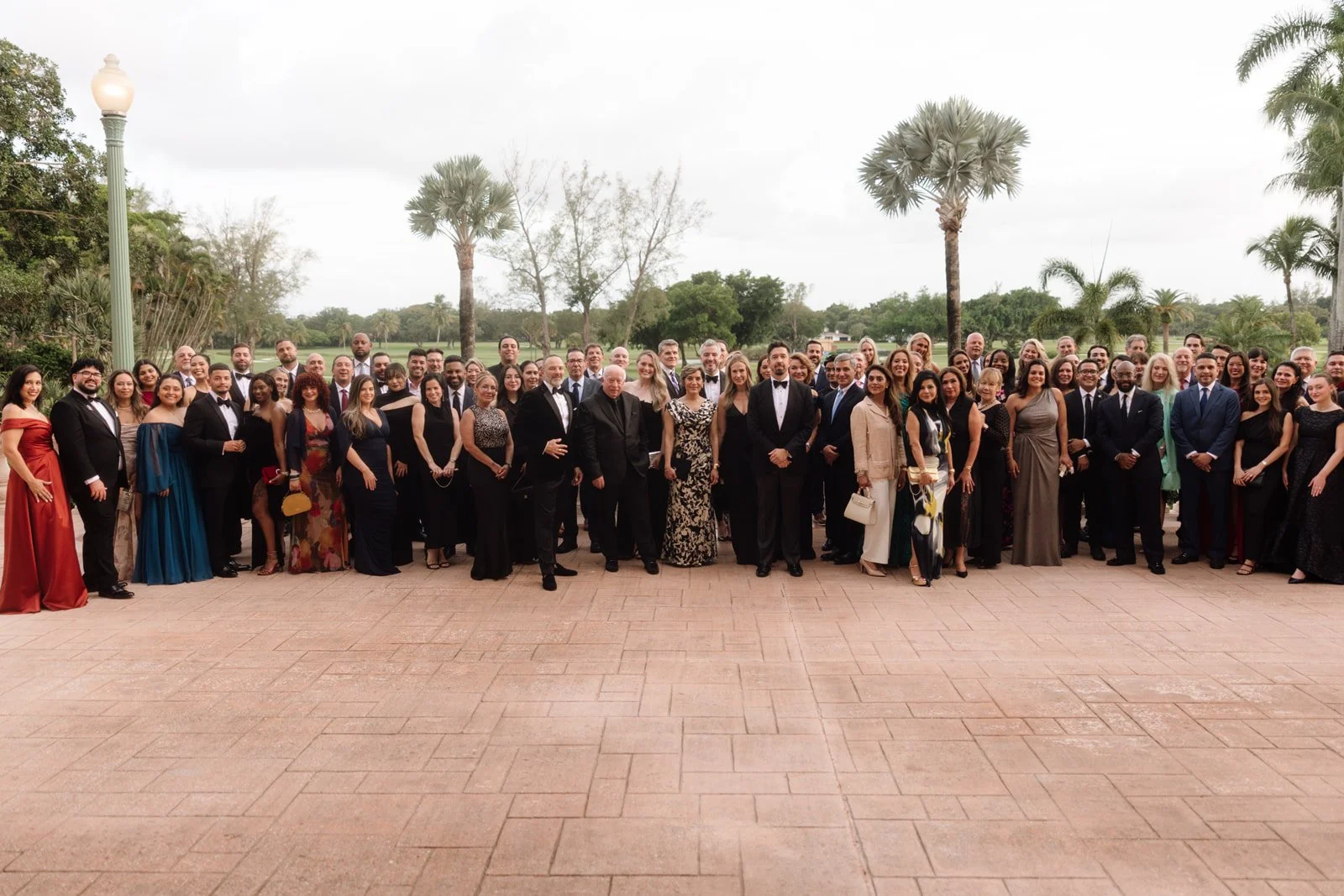
Corporate Event Media Should Make a Planner's Job Easier
Planning a corporate event is complicated enough. Your media team should make it easier. This checklist helps event planners prepare for photography and video coverage by defining priorities, deliverables, audio needs, key people, turnaround times, and everything your media team should know before event day.
When you're planning a corporate conference, leadership meeting, summit, trade show, brand activation, or multi-day event, photography and video can sometimes feel like one more vendor category to manage.
It shouldn't.
A professional event media team should understand the event schedule, anticipate important moments, coordinate with production and AV teams, and capture content without requiring the planner to constantly direct them.
The biggest problems usually don't happen because someone forgot to bring a camera.
They happen because expectations were never clearly defined.
Who needs to be photographed?
Which sponsors need visibility?
Are keynote presentations being fully recorded?
Does the videographer need an audio feed from AV?
Are testimonials being captured?
Does marketing need vertical social content?
How quickly are the assets needed?
Answering these questions before event day can eliminate a huge amount of unnecessary stress.
Here is what corporate planners should confirm before their next event.
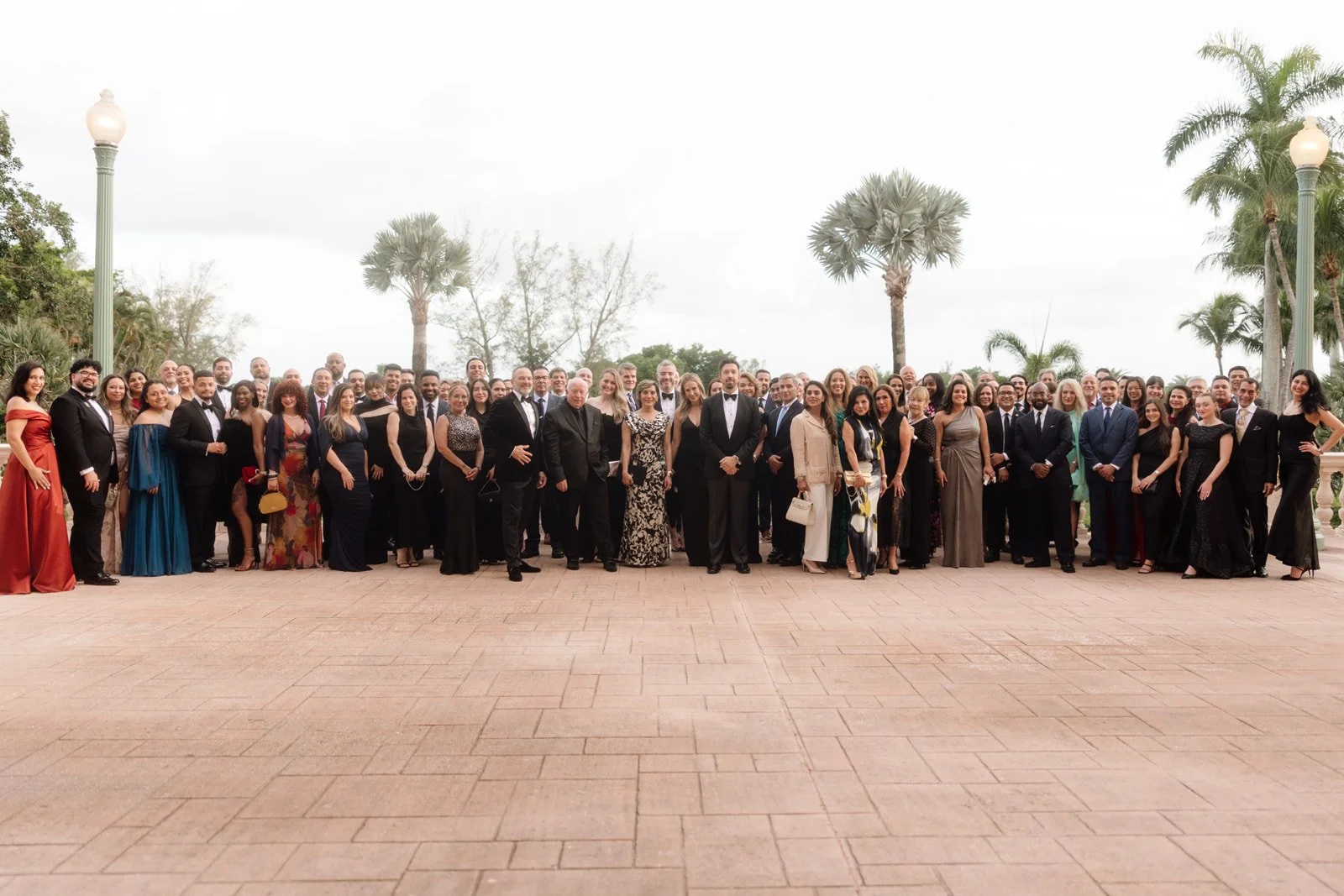
The Biltmore, MAE Photography 2026
1. Start With the Purpose of the Coverage
Before discussing cameras, hours, or crew size, determine why the company needs the content.
Corporate event media can serve several different purposes:
Internal communications
Social media
Public relations
Sponsor reporting
Recruitment
Future event promotion
Sales and marketing
Executive communications
Training and education
Website content
Full conference session archives
A company hiring a photographer for internal documentation has very different needs from an organization planning to use the event footage for a year-long marketing campaign.
Your media company should understand the end use before recommending coverage.
2. Identify the People Who Cannot Be Missed
One of the easiest ways to prevent problems is to create a simple priority list.
That may include:
Executives and leadership
If the CEO, president, board members, or senior executives are attending, the media team should know who they are before the event begins.
Keynote speakers and panelists
Planners shouldn't have to search for a photographer every time an important speaker reaches the stage.
Sponsors
Sponsors often expect visual evidence of their presence and investment.
That can include signage, booths, branded screens, sponsored sessions, activations, and attendee interaction.
VIP guests
If certain attendees, partners, clients, or industry leaders are especially important, communicate that ahead of time.
A professional corporate photographer should still document the event naturally, but knowing the priorities ensures that critical stakeholders don't get missed.
3. Decide Whether You Need Photography, Video, or Both
Photography and video accomplish different things.
Corporate Event Photography
Photography is ideal for capturing:
Networking
Speakers
Panels
Executive interactions
Audience engagement
Sponsor branding
Venue details
Group photographs
Award presentations
Exhibitors
Candid interactions
These assets can often be distributed quickly to marketing, leadership, PR teams, sponsors, and social media managers.
Corporate Event Videography
Video can document the experience in a completely different way.
Depending on the event, coverage may include:
Highlight or sizzle videos
Full keynote recordings
Multi-camera panel recordings
Attendee testimonials
Executive interviews
Sponsor interviews
B-roll
Social media clips
Vertical video content
Session recordings
Presentation and slide integration
Captions and transcripts
For larger conferences, having dedicated photography and video professionals also allows both teams to work simultaneously without compromising either deliverable.
4. Give Your Media Team the Run of Show
Your photographer and videographer should receive the latest event schedule before arriving.
It doesn't need to be perfect.
But they should know when the important moments are happening.
A useful run of show might include:
8:00 AM — Registration
9:00 AM — Opening Remarks
9:30 AM — CEO Keynote
10:30 AM — Networking Break
11:00 AM — Panel Discussion
12:30 PM — Lunch
2:00 PM — Breakout Sessions
4:00 PM — Sponsor Reception
This allows the media team to plan their movements throughout the venue instead of constantly asking the planner:
"What's happening next?"
That is exactly the kind of question your media team should already know the answer to.
5. Clarify Audio Before Recording Keynotes or Interviews
For conference video, audio can be just as important as the image.
If presentations are being recorded, planners should determine whether the venue or AV company can provide the video team with a clean audio feed.
This can include audio from:
Podium microphones
Lavaliers
Handheld microphones
Panel microphones
Presentation playback
Q&A microphones
Your videography team and AV provider should coordinate before the event begins.
Backup audio recording is also extremely important for presentations that cannot be recreated.
No corporate planner wants to discover after the conference that a beautiful three-camera keynote recording has unusable audio.
6. Define the Deliverables Before Event Day
"Event coverage" can mean almost anything.
A quote should clearly identify what you are actually receiving.
For photography, that may include:
Professionally edited event photographs
Online gallery
High-resolution downloads
Web-ready files
Select expedited images
For video, that might include:
60–90 second highlight video
Individual keynote recordings
Panel recordings
Raw footage
Social media clips
Vertical reels
Interview edits
Captions
SRT files
Transcripts
Presentation slide integration
The clearer the deliverables are before the event, the easier it becomes to compare quotes accurately.
7. Discuss Turnaround Time Before the Event
Corporate teams frequently need content quickly.
Your social team may want photographs the next morning.
PR may need several images immediately after an announcement.
Marketing may need a recap video following the conference.
Speakers may need presentation recordings.
Sponsors may need images for post-event reporting.
Instead of assuming everything will be delivered immediately, identify which assets actually need priority.
For example:
Priority #1: 20–30 edited photographs for social and PR
Priority #2: Complete event photo gallery
Priority #3: Highlight video
Priority #4: Full session recordings
This gives the media team a realistic post-production workflow while ensuring the organization receives the most time-sensitive content first.
8. Consider How the Content Will Be Used After the Event
A conference may only last two days.
The content created during it can potentially be used for months.
One strong corporate event media library can provide material for:
LinkedIn
Instagram
Company websites
Email campaigns
Sales presentations
Sponsor decks
Press releases
Recruiting
Future conference promotion
Speaker promotion
Internal communications
Annual reports
That is why event media shouldn't only document what happened.
It should create a library of useful marketing assets for what happens next.
9. Make Sure the Media Company Understands Corporate Events
Corporate event coverage requires a different approach than many other types of photography and video.
Your team may need to communicate with:
Event planners
Producers
Venue managers
AV teams
Marketing departments
Executive assistants
Speakers
Sponsors
Security
Public relations teams
They need to know when to step forward and capture an important moment—and when to remain unobtrusive.
They also need to understand that some moments only happen once.
A keynote entrance cannot be repeated.
A CEO handshake cannot always be recreated.
An audience reaction happens for a few seconds.
Good corporate event media coverage depends heavily on anticipation.
The Goal: One Less Thing for the Planner to Manage
The best event media teams don't simply arrive with cameras.
They arrive understanding the assignment.
They know the schedule.
They know the priority people.
They know the required deliverables.
They coordinate with AV.
They anticipate important moments.
And most importantly, they allow the planner to concentrate on actually running the event.
That is what professional corporate event media coverage should provide: great content with less stress for the people producing the event.
Planning an Upcoming Corporate Event?
MAE Media provides professional corporate event photography and videography for conferences, summits, executive meetings, brand activations, trade shows, and corporate events in Florida and nationwide.
If you're currently planning an event and need help determining the right photography, video, crew, or deliverables, tell us what you're planning and we'll help you build the appropriate coverage.
Start your event media conversation with MAE Media:
https://www.maepictures.com/contactus
MAE Media
Corporate Event Photography & Videography
Website: https://www.maepictures.com
Email: info@maepics.com
Phone: 954-397-0670
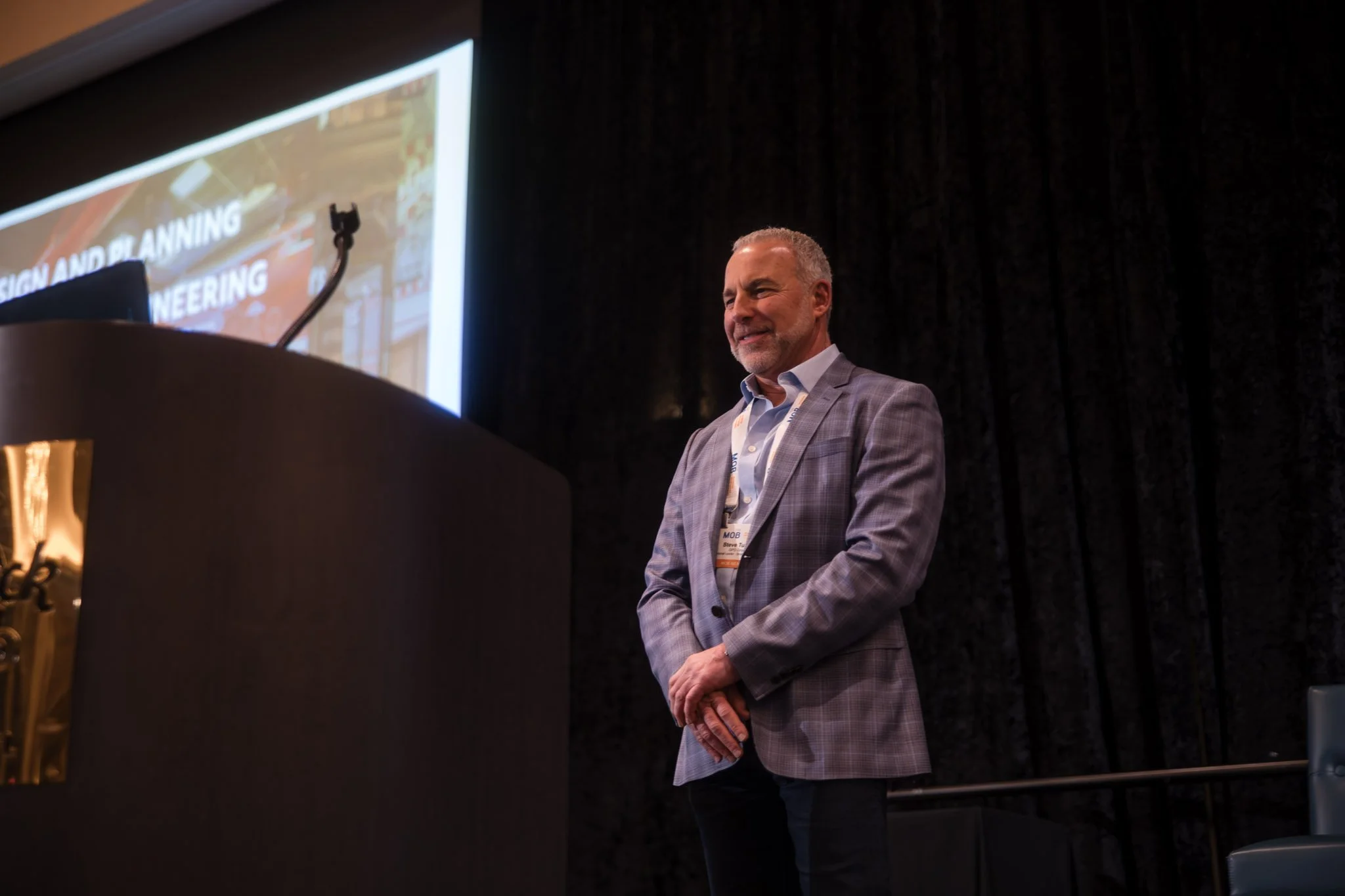
How to Turn a Three-Day Conference Into Three Months of Marketing Content
A three-day conference can create far more than a recap gallery. With the right strategy, your photography, video, interviews, speaker sessions, and sponsor coverage can support 90 days of social media, email, sales, recruiting, and future-event promotion. This practical guide shows planners what to capture and how to use it after the event.
Your conference ends when the final session closes. Your marketing opportunity should not.
A well-covered conference can give your organization enough material for months of LinkedIn posts, email campaigns, educational videos, sponsor reports, sales conversations, recruiting content, website updates, and promotion for the next event.
But simply hiring a photographer and videographer does not automatically create a content strategy.
If the media team receives only a schedule and a request to “capture everything,” you may end up with thousands of files but no clear plan for using them. The strongest results come when the planner, marketing team, and media team decide in advance what the content needs to accomplish.
This guide gives conference planners a practical framework for turning a three-day event into a 90-day marketing campaign.
1. Choose Three Content Goals Before Building the Shot List
Start by choosing the three most important business outcomes for the event content. Limiting the list forces the team to prioritize instead of treating every moment as equally important.
Here are common goals and the coverage each one requires:
Marketing goalContent the media team should capturePromote the next conferenceFull rooms, audience energy, networking, recognizable speakers, venue scale, testimonials, and a strong recap filmDemonstrate sponsor valueSponsor signage, booths, branded experiences, attendee interaction, sponsor interviews, and executives meeting sponsor representativesBuild thought leadershipClean session recordings, speaker interviews, strong audio, presentation slides, transcripts, and short educational clipsSupport salesClient testimonials, product demonstrations, executive interviews, customer conversations, and proof of industry participationSupport recruitingTeam interaction, behind-the-scenes moments, company culture, employee interviews, leadership, and candid photographsStrengthen public relationsLeadership photographs, keynote moments, award presentations, press-ready images, and accurate captions
A planner does not need to create the entire marketing campaign alone. However, the media team does need to know which outcomes matter most. That information determines staffing, interview planning, audio requirements, delivery priorities, and where photographers and camera operators need to be throughout the day.
2. Create a One-Page Content Brief
The content brief should be separate from the full run of show. A 40-page event schedule explains what is happening; it does not explain what matters most to the marketing team.
Give the media team a one-page brief containing:
The event’s three primary content goals
The main audience for the content
The most important speakers, executives, clients, and VIPs
Sponsor deliverables that have been promised
Sessions and moments that cannot be missed
Planned interviews and the person coordinating them
Required horizontal and vertical video formats
Same-day, next-day, and standard-delivery needs
Brand restrictions or sensitive moments that should not be photographed
The one person authorized to approve content and request revisions
This document becomes the media team’s decision-making guide when several important moments are happening at once.
3. Plan Deliverables Before Planning Coverage
“Photography and video” is not a complete deliverables list.
A highlight film, a full-session recording, an executive interview, b-roll, and a vertical social reel require different production setups. A camera positioned for a continuous stage recording cannot always leave its position to capture networking footage. An interview requires a quiet location, clean audio, lighting, and scheduled participants.
Define the finished assets first. A three-day conference content package might include:
A small set of same-day photographs
A next-day highlight gallery
A complete edited photography gallery
One 60–90 second event recap film
Several vertical social clips
Full recordings of selected sessions
Three to five executive, speaker, sponsor, or attendee interviews
Edited speaker clips with captions
Presentation slides integrated into session videos
Transcripts for articles, captions, accessibility, and internal use
That list is only an example. The correct package depends on the event goals, schedule, number of rooms, and budget.
Once the deliverables are defined, the media team can determine how many people, cameras, microphones, and editing resources are actually required.
4. Build Content Priorities Into the Run of Show
Do not expect the media team to discover the most important moments while the conference is happening.
Mark priorities directly in the schedule:
Must capture: Keynotes, awards, VIP arrivals, sponsor commitments, group photographs, and scheduled interviews
Should capture: Breakout sessions, attendee interaction, networking, branded details, and behind-the-scenes moments
Additional coverage: Venue atmosphere, food, entertainment, and general b-roll
Also identify simultaneous events. If three breakout sessions begin at the same time and all three require coverage, one photographer cannot cover them properly. The overlap needs to be addressed through additional staffing or clear prioritization.
This is one of the most important conversations to have before approving a media proposal.
5. Schedule Interviews—Do Not Hope They Happen
Short interviews can become some of the most useful material from a conference, but they are often treated as an informal event-day task.
That usually leads to unavailable executives, noisy hallways, rushed answers, and missed opportunities.
Instead, planners should:
Choose interview participants before the conference.
Give each participant a specific 10–15 minute time slot.
Reserve a quiet space away from speakers, bars, and crowded hallways.
Prepare two or three focused questions for each type of participant.
Assign one staff member to find participants and keep the schedule moving.
Useful questions include:
What problem does this conference help your industry solve?
What has been the most valuable part of the event for you?
Why should someone attend next year?
What makes this community or organization different?
What value has your company received as a sponsor or partner?
A five-minute interview can produce a testimonial, a short social clip, a quotation for the website, material for a recap film, and a written post.
6. Capture Sponsor Value Intentionally
Sponsor coverage should never be reduced to photographs of empty signs.
To help the organization demonstrate value, the media team should capture:
Attendees interacting with sponsor representatives
Products, demonstrations, or branded experiences in use
Sponsor signage within busy event environments
Executives welcoming or thanking sponsors
Sponsored sessions with both the speaker and audience visible
Sponsor representatives participating in panels or interviews
Natural networking moments involving sponsors
Wide, medium, and detailed views of each activation
Before the event, give the media team a sponsor checklist organized by priority. If a sponsor has been promised specific photographs or video, list the requirement and the deadline.
Afterward, provide sponsors with a curated selection—not an unorganized folder containing the entire conference. A focused gallery makes the value easier to see and the content easier to use.
7. Give Fast-Turnaround Content Its Own Workflow
Same-day and next-day content should be treated as a separate deliverable, not as a request added midway through the event.
Before the conference, decide:
How many images or clips are needed immediately
Which sessions or people should be prioritized
Where the files will be delivered
Who will write captions and identify speakers
Who can approve the content
The final deadline for publishing
The marketing contact should be available when the first selects arrive. A media team can deliver quickly, but the momentum is lost if the files sit in an approval chain for two days.
8. Use This 90-Day Conference Content Calendar
The purpose of a content calendar is not to keep talking about the same event for three months. It is to move from immediate excitement to useful education and then toward the next business objective.
TimingMarketing focusRecommended contentEvent daysLive energySame-day photographs, short clips, speaker quotes, sponsor recognition, and attendee momentsDays 1–3Immediate recapThank-you post, photo carousel, press images, internal recap, and priority sponsor deliveryDays 4–7Event storyShort teaser, leadership message, attendee reactions, and top conference takeawaysWeeks 2–4Deeper storiesHighlight film, speaker clips, interviews, sponsor spotlights, photo galleries, and a written recapMonth 2Evergreen valueEducational clips, transcript-based articles, executive thought leadership, case studies, recruiting content, and sales resourcesMonth 3What comes nextSave-the-date content, registration campaign, sponsorship deck, testimonial ads, best-moments video, and next-event landing page
This schedule can be adjusted to the company’s sales cycle and event calendar. The important point is to avoid publishing everything during the first week and then having nothing left to share.
9. Turn One Session Into Multiple Assets
Consider a 30-minute keynote recording. With clean audio, usable slides, and a transcript, the marketing team may be able to create:
The full presentation
Three to five short educational clips
A blog post based on the main lesson
Several speaker quotations
A LinkedIn carousel
A newsletter feature
A resource for the sales team
A promotional clip for the next event
The same principle applies to interviews, panel discussions, sponsor activations, and audience testimonials.
This does not mean every recording needs to become eight deliverables. Choose the strongest material and adapt it to the channels where the organization’s audience is already active.
10. Organize the Content So the Team Can Find It
Content loses value when no one can locate the correct photograph or final video.
Agree on a delivery structure before the event. Galleries and folders can be organized by:
Event day
Keynote and breakout sessions
Speakers and executives
Sponsors
Networking and receptions
Interviews
Awards and group photographs
Same-day selects
Social clips
Full-session videos
Use clear filenames for final videos and identify the approved version. If the organization plans to reuse the content throughout the year, record speaker names, session titles, sponsor names, usage restrictions, and delivery dates in a simple asset tracker.
Good organization saves the marketing team from repeatedly searching through thousands of files.
11. Measure Whether the Content Worked
The number of files delivered does not measure the success of event coverage.
Planners and marketing teams should evaluate results based on the original content goals. Depending on the campaign, that may include:
Registration-page visits generated by recap content
Video views and completion rates
Engagement with speaker or executive posts
Testimonial performance in advertising
Sponsor use of the delivered content
Sponsor renewals or new inquiries
Email clicks on post-event material
Sales-team use of interviews and educational clips
Time saved by having organized, ready-to-use assets
Tracking these results also improves planning for the next conference. The team can invest more heavily in the formats that audiences, sponsors, and internal departments actually used.
A Planner’s Final Pre-Event Checklist
Before event week, confirm that you can answer these questions:
What are our three primary content goals?
What finished photo and video deliverables are we expecting?
Which people, sessions, sponsors, and moments are mandatory?
Are any important sessions happening simultaneously?
Who is coordinating interviews and media access?
What content is needed the same day or next morning?
Who has final approval authority?
How will the final assets be organized and used during the following 90 days?
If those answers are clear, your media team can do far more than document the conference. It can help your organization leave with a purposeful content library built for marketing, communications, sponsors, sales, and future events.
Plan Your Next Conference With MAE Media
MAE Media partners with event planners, agencies, associations, and corporate marketing teams to provide photography and video coverage built around the goals of the event.
Our corporate event services include professional photography, highlight and recap films, speaker and session recording, executive and attendee interviews, b-roll, social-ready content, transcripts, slide integration, and fast-turnaround delivery.
We are based in South Florida and available for conferences, conventions, executive meetings, brand activations, and multi-day corporate events throughout Florida and nationwide.
Ready to create content that keeps working after your event ends?
Book MAE Media for Your Next Corporate Event
Explore our corporate event photography and video services, or contact us directly:
MAE Media
Email: info@maepics.com
Phone: 954-397-0670
Website: www.maepictures.com
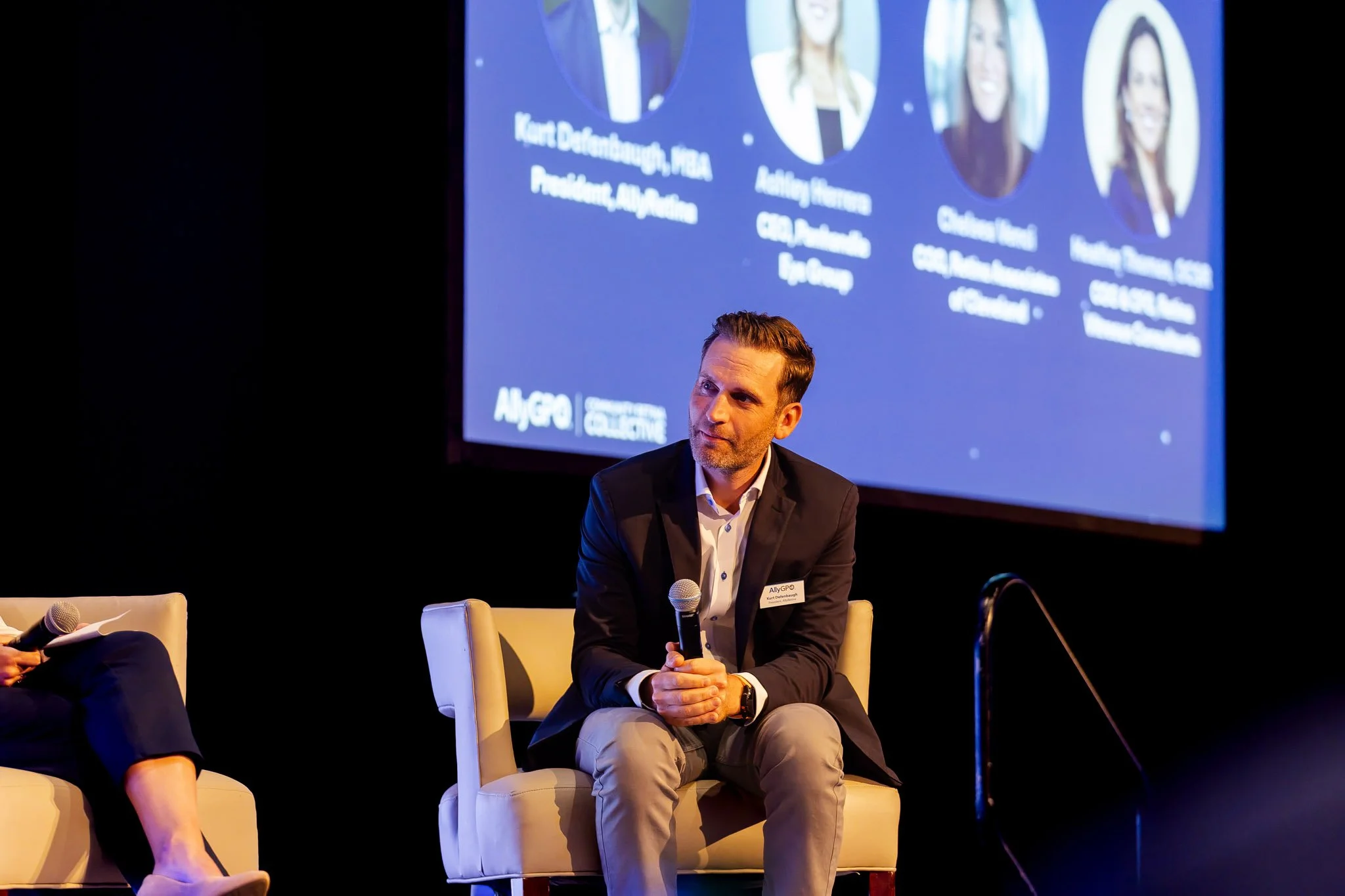
How to Write an Event Photography and Videography RFP That Gets an Accurate Quote
Why do event photography and videography quotes vary so widely? This planner-focused guide explains what to include in an RFP from schedules, staffing, and deliverables to audio, turnaround, usage rights, and pricing—so every media team is quoting the same event.
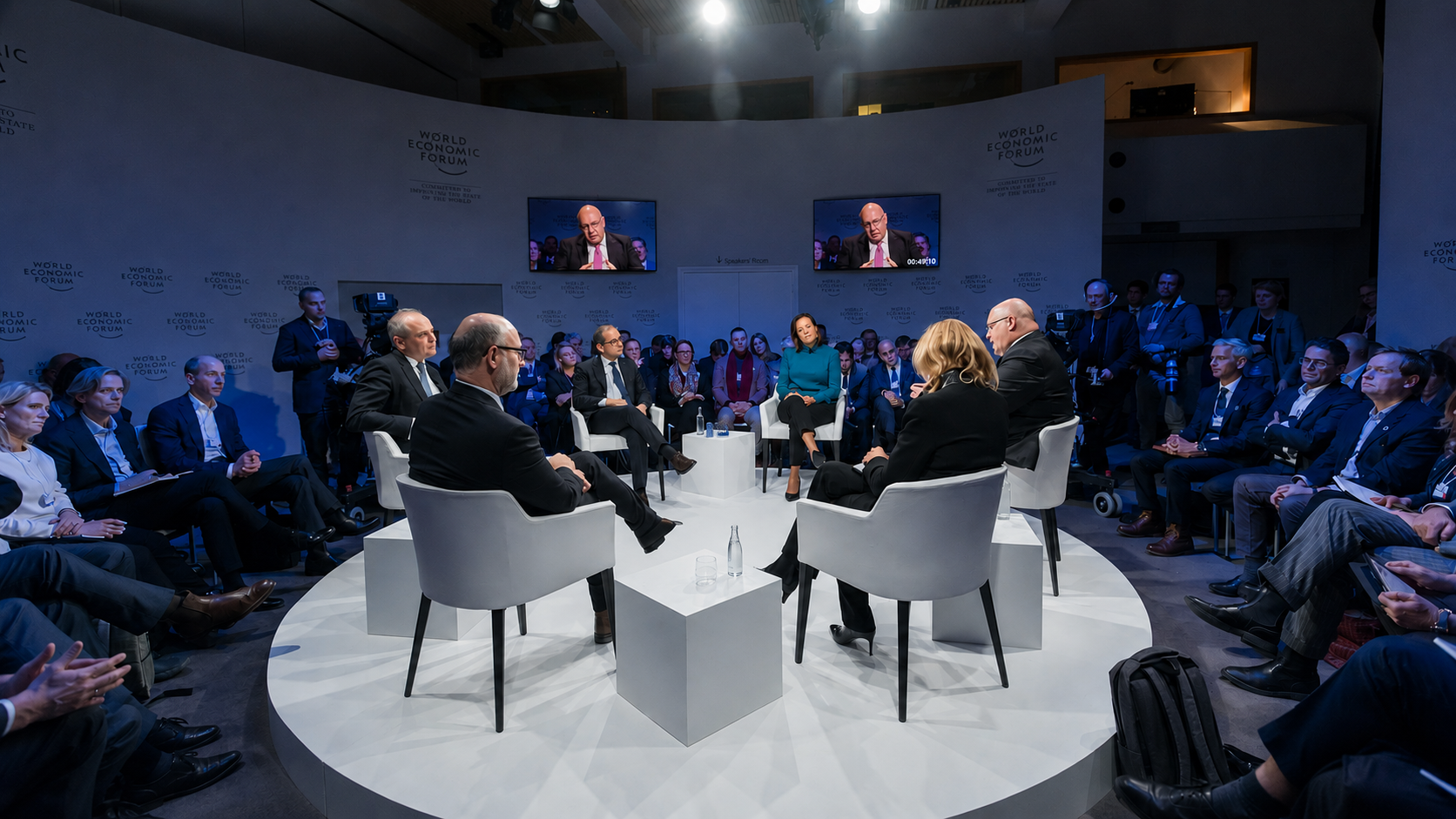
Two event media companies can receive the same inquiry and return proposals that are thousands of dollars apart.
That does not automatically mean one company is overpriced or the other is offering a better deal. In many cases, the two companies are pricing completely different interpretations of the event.
A request that says, “We need photography and video for an all-day corporate event,” leaves several important questions unanswered:
Does “all day” mean six hours, eight hours, or twelve hours?
Will photography and video be needed at the same time?
Are multiple sessions happening in different rooms?
Does “video” mean general b-roll, a highlight recap, complete session recordings, interviews, livestreaming, or all of the above?
Is clean audio from the speakers required?
Are same-day social media files expected?
How many final photos and videos are needed?
Where and how will the content be used?
Without those answers, a media team must either delay the proposal while gathering more information or make assumptions.
Once vendors begin making different assumptions, planners are no longer comparing equivalent proposals.
A well-written request for proposal, or RFP, solves that problem. It gives qualified media teams enough information to recommend the right crew, equipment, coverage plan, editing workflow, and price.
The goal is not to write the longest RFP possible. The goal is to make the scope clear enough that every responding company is pricing the same event.
What Is an Event Photography and Videography RFP?
An event photography and videography RFP is a document that explains the event, the required services, the expected deliverables, and the information a media company must include in its proposal.
Large corporations, associations, nonprofits, government agencies, and event-production companies may use a formal RFP when comparing multiple vendors. A smaller company or a planner hiring coverage for one event may use a shorter creative brief or quote request.
The format can vary, but the purpose remains the same: create a shared definition of the project before vendors submit pricing.
An RFP is not the final contract, and it does not need to contain every individual photograph on the eventual shot list. It should, however, provide enough operational and creative information for a media company to understand the level of production required.
Strong event media RFPs commonly request confirmation of:
Proposed personnel and staffing
Relevant corporate event experience
Coverage dates and hours
Photography and video requirements
Final deliverables
Turnaround expectations
Pricing structure
References
Insurance
Backup equipment
Contingency planning
Usage rights
File formats
Revision expectations
The more clearly these elements are defined, the easier it becomes to receive accurate proposals and compare media teams fairly.
Why Vague Event Media RFPs Produce Inaccurate Quotes
Photography and video prices are not determined by event duration alone. The quote is influenced by the complete production scope.
For example, an eight-hour conference could require:
One photographer documenting a single general session
Two photographers dividing coverage between a general session and breakout rooms
A photographer and a videographer creating photos and a short highlight recap
A larger team recording multiple sessions, capturing clean audio, conducting interviews, and producing vertical social media edits
Each version may last eight hours, but they are not the same assignment.
Crew size, simultaneous programming, audio, lighting, travel, editing, turnaround, file formats, licensing, and the number of final deliverables can all change the price.
An accurate quote begins with an accurate description of the work.
1. Begin With the Event’s Purpose
Start the RFP with a brief overview of your organization and the event.
Include:
The event name
The type of event
The primary audience
Expected attendance
The event’s main objectives
How the final photography and video will be used
The media team should understand whether it is covering a leadership summit, annual conference, awards program, pharmaceutical meeting, brand activation, trade show, nonprofit fundraiser, employee event, or executive retreat.
The purpose affects the visual priorities.
A fundraising gala may emphasize donors, awards, emotion, and sponsor recognition. A conference may prioritize speakers, audience engagement, networking, branding, and educational content. A product launch may require demonstrations, customer reactions, executive messaging, and fast social media delivery.
“Capture the event” is an instruction.
“Create polished assets that demonstrate attendance, leadership visibility, sponsor value, and attendee engagement” is a goal.
The second statement gives the media team a much clearer standard for success.
2. Provide Exact Dates, Locations, and Coverage Blocks
Avoid using “all day” as the only description of the schedule.
List the precise time blocks during which photography or video is needed. If the final run of show is not complete, provide the current working schedule and clearly label it as a draft.
For a multi-day event, your RFP might show:
Monday, 4:00–7:00 p.m.: Registration and welcome reception
Tuesday, 8:00 a.m.–5:00 p.m.: General session, breakouts, sponsor activations, and networking
Tuesday, 6:30–9:00 p.m.: Awards dinner
Wednesday, 8:00 a.m.–12:00 p.m.: Keynote, panels, and closing program
Also explain whether the media team is expected to arrive early for:
Venue and decor photography before attendees enter
Stage-lighting tests
Sound checks
Executive portraits
Speaker interviews
Registration setup
Sponsor booth coverage
A production or AV rehearsal
This prevents confusion about whether setup, pre-event capture, and breakdown are included in the quoted coverage hours.
If the event is taking place across multiple days, do not simply provide the total number of hours. Show each day separately so the media company can calculate staffing, travel, editing time, overtime, and potential split shifts accurately.
3. Explain the Event Footprint and Concurrent Programming
Attendance is useful, but the physical and scheduling footprint often has a greater effect on staffing.
Tell vendors:
How many rooms or event spaces will be used
Whether sessions overlap
The distance between rooms
Whether events take place on different floors or in separate buildings
Which rooms require continuous coverage
Which sessions only need brief opening coverage
Whether VIP activities happen separately from the main program
One photographer cannot continuously cover a keynote, three breakout rooms, a sponsor activation, and an executive meeting happening simultaneously.
An experienced media team may recommend multiple shooters, a roaming coverage plan, or a priority schedule.
Giving vendors this information in the RFP allows them to make that recommendation before event day instead of discovering the conflict onsite.
If your budget does not allow every room to receive complete coverage, identify your priorities.
For example:
The general session requires continuous coverage.
Each breakout room needs opening photographs and several audience images.
The sponsor lounge should be covered during peak attendance.
The executive meeting is private and should not be photographed.
The awards presentation cannot be missed.
That information helps the media team build a realistic coverage map.
4. Define the Photography Scope Separately
Photography and videography should have separate scope sections, even when one company is being considered for both services.
For photography, identify the types of coverage needed. These may include:
Venue, decor, and room setup
Registration and arrivals
Keynote speakers and panel discussions
Audience reactions and questions
Networking and candid interactions
Sponsor signage, booths, and activations
Executive and VIP coverage
Awards and presentations
Step-and-repeat portraits
Team and group photographs
Onsite headshots
Product demonstrations
Behind-the-scenes production moments
State whether you expect a curated gallery, a minimum number of images, or all usable edited photographs.
If a certain quantity is essential, include it. If quality and complete coverage matter more than an arbitrary number, say that instead.
You should also identify any required orientation or format.
Marketing teams may need a mix of horizontal and vertical photographs for:
Websites
LinkedIn
Instagram
Email campaigns
Annual reports
Press releases
Sponsor reports
Future event promotions
Recruiting materials
Internal communications
If the company needs specific folders for executives, speakers, sponsors, award recipients, or individual sessions, include that requirement in the RFP.
5. Define Exactly What “Video” Means
“Videography” can describe several completely different services. Your RFP should define the final video products you expect.
Event B-Roll
B-roll is general motion footage of arrivals, speakers, attendees, branding, networking, activities, and the overall environment.
B-roll can support a future edit, but b-roll coverage alone does not automatically include a completed video.
If you are requesting b-roll, explain whether you want:
Edited clips
Unedited footage
Organized folders
Specific speakers or activities
Horizontal footage
Vertical footage
Slow-motion footage
Audio attached to the clips
Highlight or Recap Video
A highlight or recap video is a polished, edited piece that summarizes the event.
State the desired approximate length, tone, deadline, and whether it should include:
Interviews
Speaker soundbites
Voiceover
Licensed music
Graphics
Sponsor logos
Captions
Branded introduction and closing
Vertical social media versions
Multiple revision rounds
A 60-second social recap is different from a three- to five-minute corporate event film. Make sure vendors know which one you expect.
Complete Session Recordings
Complete session recordings are start-to-finish recordings of keynotes, panels, workshops, or breakout sessions.
These require a different camera and audio plan from a short recap.
Specify:
Which sessions need to be recorded
The length of each session
Whether multiple sessions run simultaneously
Whether the slides must be inserted into the final edit
Whether the speaker should remain visible while slides are displayed
Whether audience questions must be included
Whether each speaker needs an individual video
Whether the videos will be public, internal, or placed behind a membership portal
Whether captions or transcripts are required
A videographer gathering short clips for a highlight film is not automatically recording every presentation from beginning to end.
Interviews and Testimonials
Executive, speaker, sponsor, client, or attendee interviews require time, a suitable location, audio equipment, lighting, and often a producer or interviewer.
Include:
The approximate number of interviews
The expected length of each interview
The people or types of attendees being interviewed
Whether interview questions will be supplied
Whether the media team is expected to conduct the interviews
Whether a quiet interview room is available
Whether teleprompter support is needed
How the final interviews will be edited and delivered
If interviews are important, schedule them into the event rather than hoping the media team can pull busy executives or speakers away at random.
Same-Day Social Media Content
If you need vertical clips, quick-turn edits, or content delivered while the event is still happening, state:
The number of clips
The approximate length
The required orientation
The branding requirements
The delivery deadline
Who will approve the content onsite
Whether captions are required
Whether the clips need music
Which platform the content is being created for
Same-day editing normally requires a dedicated workflow and may require an onsite editor.
Livestreaming
Livestreaming is not automatically included with event videography.
It requires:
A destination platform
Reliable internet connectivity
Audio integration
Camera switching
Graphics
Testing
Technical support
A recording plan
A backup or contingency plan
If livestreaming is required, explain:
Where the event will be streamed
Who can access it
Whether registration or password protection is needed
Whether remote speakers will participate
Whether questions will come from online viewers
Whether the livestream must be recorded
Whether the recording needs to be edited afterward
Who is responsible for the internet connection and platform
The more clearly these different video services are separated, the easier it becomes to compare proposals and understand the resources behind each price.
6. State the Audio Requirements
If the spoken words matter, audio must be part of the RFP.
Do not assume that a videographer can obtain a clean recording simply because the venue has microphones.
The media team may need:
Access to the AV company’s soundboard
An isolated audio feed
Backup recorders
Separate wireless microphones
Audience microphones
A dedicated audio technician
Explain whether you need:
Clean keynote audio
Full panel discussions
Audience questions
Interview audio
Ambient room sound
Voiceover
Music licensing
Separate audio files
Edited transcripts
Captions
Multiple language versions
Provide the name of the venue or AV contact when possible.
If the in-house AV company charges for audio feeds, internet, power, patch access, rigging, or technical labor, ask that those responsibilities be identified before proposals are finalized.
Audio is one of the biggest differences between general event b-roll and professionally recorded presentations.
A beautiful video with poor audio may not be usable.
7. Identify Must-Capture People and Moments
A media team can document the event broadly, but it cannot know every internal priority unless the planner communicates them.
Your RFP does not need the final VIP list, but it should identify the categories of people and moments that matter:
CEO or executive leadership
Board members
Keynote speakers
Award recipients
Major donors
Top-level sponsors
Government officials
Invited dignitaries
Product launches
Check presentations
Ribbon cuttings
Group photographs
Surprise announcements
Performances or entertainment
Closer to the event, provide a final names-and-faces document or assign a knowledgeable team member to help identify important people onsite.
Simply providing a list of names may not be enough. The media team needs a practical way to recognize those individuals in a crowded ballroom or convention hall.
If certain photographs must be staged, schedule them in advance.
Examples include:
Executive team photographs
Sponsor and leadership photographs
Speaker group photographs
Board member portraits
Award recipients with leadership
Planning-team photographs
VIP photos before guests enter
Waiting until the final five minutes of the event to organize an important group photograph creates unnecessary pressure and increases the chance that someone will already have left.
8. Describe the Desired Style and Brand Standards
Terms such as “professional,” “cinematic,” or “candid” can mean different things to different vendors.
Describe the preferred visual direction more specifically.
For example:
Clean, polished corporate coverage
Editorial and documentary photography
Natural attendee interactions rather than heavily posed images
Energetic video pacing
Minimal staging
Bright and approachable color treatment
Formal executive presentation
Brand-forward imagery with clearly visible signage
Include links to previous event galleries, videos, brand guidelines, or visual references when available.
Explain what you liked or disliked about prior coverage.
You should also disclose any restrictions involving:
Logos
Competitor brands
Confidential information
Presentation slides
Wardrobe
Music
Sponsor placement
How guests may be approached
Where photographers or videographers may stand
Whether flash is permitted
This helps the media team represent the organization consistently and professionally.
9. Specify Every Required Deliverable
The deliverables section should define what the vendor must hand over—not simply what should be captured.
For photography, consider specifying:
Edited online gallery
High-resolution files for print
Web-resolution files for digital use
Same-day or next-morning selects
Speaker-specific folders
Sponsor-specific selects
Executive or VIP selects
Vertical and horizontal coverage
File-naming requirements
Gallery-download permissions
Gallery-hosting duration
For video, consider specifying:
Number and approximate length of final videos
Horizontal 16:9 versions
Vertical 9:16 versions
Square or platform-specific versions
Full-session edits
Individual speaker files
Social media cutdowns
Captions or subtitle files
Branded introduction and closing
Lower-thirds and speaker titles
Slide integration
Licensed music
Thumbnail images
Raw footage, if required
Final delivery platform
Required file formats
This kind of detail prevents a vendor from delivering one beautiful horizontal video when the marketing team was expecting several vertical social media versions.
It also prevents confusion about whether the quote includes one final video or an entire collection of edited deliverables.
10. Separate Urgent Content From Final Delivery
“Fast turnaround” is not a specific deadline.
Break delivery into clear stages:
Same-day social media selects
Next-morning executive, sponsor, or press selects
Preliminary photo gallery
Complete edited photo gallery
First video draft
Feedback deadline
Final video delivery
Complete session recordings
Raw-file delivery, if included
State the exact quantity and deadline for urgent content.
This allows vendors to price the actual post-production workload and assign editors appropriately.
It also keeps the planner from paying rush fees on every asset when only a small group of photographs or clips is needed immediately.
If the event ends at 10:00 p.m. and content is expected at 8:00 a.m. the next morning, write that exact requirement.
“Next-day delivery” could otherwise be interpreted as any time during the following business day.
The RFP should also identify who is authorized to approve urgent content.
Same-day delivery loses much of its value if the media team sends the files quickly but no one is available to review or publish them.
11. Clarify Usage Rights, Privacy, and Recording Permission
State how the organization intends to use the content:
Website and organic social media
Internal communications
Public relations and press distribution
Annual reports
Sponsor reports
Recruiting
Paid advertising
Broadcast
Educational portals
Future event promotion
Do not use “full rights” as a catchall without defining what the organization actually requires.
Copyright ownership, commercial usage permission, raw-file access, attendee consent, speaker recording permission, and portfolio permission are related but separate considerations.
The RFP should also disclose:
Whether attendees are informed that photography and recording will occur
Whether guests may opt out
How restricted attendees will be identified
Whether any sessions are confidential
Whether speakers have approved recording and distribution
Whether the organization must approve images before publication
Whether the media company may use the work in its portfolio
Whether minors, patients, protected guests, or sensitive information may be present
For legal or compliance-sensitive events, the organization’s legal, communications, or risk-management team should establish the applicable policy.
The media team’s responsibility is to understand and follow the approved process.
12. Include Venue, Access, and Production Logistics
Strong creative work depends on basic access.
Include known information about:
Media credentials
Parking and loading instructions
Security check-in
Stage and backstage access
Green-room access
Venue restrictions
Camera-platform or tripod locations
Gear-storage space
Power and internet availability
Drone restrictions or permits
Union or in-house labor requirements
Certificate of insurance requirements
Required additional insured parties
Dress code
Crew meals and break expectations
Primary planner, producer, and AV contacts
If the venue requires exclusive AV services or imposes fees for internet, power, audio feeds, rigging, or labor, identify those expenses and state whether the planner or media company is responsible for them.
For destination events, clarify whether the proposal must include:
Airfare
Lodging
Ground transportation
Baggage
Parking
Mileage
Per diem
Travel days
These expenses should not appear as a surprise after a vendor has been selected.
13. Provide a Budget Range and Request Itemized Pricing
Including a realistic budget range does not weaken the planner’s negotiating position. It helps qualified teams propose a solution that matches the organization’s priorities.
Without a budget, one vendor may propose basic documentation while another designs a larger production with multiple shooters, dedicated audio, interviews, same-day content, and several final edits.
Both proposals may be reasonable, but they are not comparable.
Ask respondents to itemize:
Photography coverage
Videography coverage
Additional shooters or crew members
Editing and post-production
Same-day or rush delivery
Full-session recording
Interviews
Social media edits
Travel and lodging
Equipment or specialty rentals
Music, voiceover, captions, and graphics
Usage or licensing, when applicable
Raw-file delivery, if requested
Overtime rates
Taxes and other fees
You can also ask vendors to separate required services from optional enhancements.
This gives the planner a clear base proposal and allows additional coverage to be added without rebuilding the entire scope.
For example:
Required services:
Two days of corporate event photography
One highlight recap
Five next-morning photographs
Complete edited gallery
Optional services:
Onsite headshot station
Attendee interviews
Full keynote recording
Vertical social media edits
Additional photographer
Express delivery of the complete gallery
This structure makes it easier to adjust the project while protecting the most important coverage.
14. Tell Vendors Exactly How to Respond
A good RFP makes proposals easier to evaluate by requiring the same categories of information from every respondent.
Request:
Company overview
Relevant corporate-event experience
Links to complete event galleries and finished videos
Experience with events similar in size and format
Proposed lead photographer and videographer
Number and roles of additional crew members
Description of the recommended coverage approach
Confirmation of availability
Confirmation of every required deliverable and deadline
Itemized pricing
Payment schedule and retainer requirements
Overtime and cancellation terms
Insurance information
Backup personnel, equipment, audio, and file-protection plan
Two or three relevant professional references
Clear list of assumptions, exclusions, and requested changes
Ask to see work that resembles your actual event.
A beautiful commercial, wedding film, or portrait portfolio does not automatically demonstrate the ability to cover a fast-moving corporate conference with overlapping sessions, executives, sponsors, and strict deadlines.
You should also ask who will actually attend the event.
The person conducting the sales call or submitting the proposal may not be the photographer or videographer assigned to your project.
Knowing the proposed team helps the planner evaluate relevant experience and communication before the event.
15. Establish the RFP Timeline and Decision Process
Tell vendors:
When the RFP is released
The deadline for questions
How answers or updates will be distributed
The proposal deadline
Whether interviews are required
The expected selection date
The contract or deposit deadline
The event dates
Name one person to receive vendor questions.
When possible, distribute important clarifications to every participating vendor so they are all pricing the same updated information.
If the run of show, venue, or deliverables change after the RFP is released, issue the update in writing.
A change that appears small to the planning team may affect crew size, equipment, editing, travel, or the final price.
A Copy-and-Paste Event Media RFP Outline
Planners can use the following structure as a starting point.
1. Organization and Event Overview
Organization name
Event name and description
Event goals
Audience and estimated attendance
Intended use of final content
2. Dates, Locations, and Schedule
Venue name and full address
Event dates
Required coverage blocks for each day
Draft run of show
Setup, rehearsal, and pre-event capture requirements
3. Event Footprint
Number of rooms
Concurrent sessions
Distance between event areas
Priority rooms and programs
4. Photography Scope
Required coverage
Must-capture people and moments
Headshots, group photos, or step-and-repeat needs
Desired quantity or delivery approach
5. Video Scope
B-roll
Highlight recap
Full-session recordings
Interviews
Social media edits
Livestreaming
Audio requirements
6. Deliverables
Final photo and video products
File formats
Horizontal and vertical versions
Captions, graphics, music, and slides
Raw files, if required
Gallery and file-delivery method
7. Deadlines and Approval Process
Same-day selects
Next-day selects
Complete gallery deadline
First video draft
Revision rounds
Final delivery
Authorized approval contact
8. Rights, Privacy, and Restrictions
Intended uses
Required license or ownership terms
Speaker and attendee permissions
Restricted sessions or guests
Portfolio restrictions
9. Logistics
Credentials and access
Parking and load-in
AV coordination
Venue rules
Insurance requirements
Travel expectations
Primary contacts
10. Budget and Pricing Response
Budget range
Required itemized costs
Optional services
Overtime, travel, taxes, and additional fees
11. Vendor Qualifications
Relevant experience
Comparable work samples
Proposed personnel
References
Insurance
Backup and contingency plan
12. Submission Instructions
Question deadline
Proposal deadline
Required format
Submission contact
Selection timeline
How to Compare the Proposals You Receive
The lowest number is easy to identify. The best-qualified proposal requires a more thoughtful review.
Consider scoring each response using the same categories.
A sample evaluation might include:
Relevant live corporate-event experience: 25%
Understanding of the scope and proposed approach: 25%
Team, reliability, communication, and contingency planning: 20%
Deliverables and ability to meet deadlines: 15%
Overall price and value: 15%
Adjust the percentages based on your event.
If next-morning delivery is essential, turnaround should carry more weight.
If five sessions run simultaneously, staffing and technical planning should matter more.
If the content will be used in national advertising, quality, licensing, and brand alignment may outweigh the lowest price.
Look beyond the total and verify:
Did the company respond to the complete scope?
Are photography and video both properly staffed?
Are editing and delivery included?
Are travel, licensing, audio, captions, graphics, and revisions addressed?
Are the work samples comparable to your event?
Does the team explain how it will handle overlapping programming?
Are assumptions and exclusions clearly stated?
Does the company have backup equipment and personnel?
Is there a clear communication and approval process?
The strongest proposal should make the planner feel more informed and more confident—not leave the planner with another list of unanswered questions.
Common Event Media RFP Mistakes
Before releasing your RFP, check for these common problems.
Asking for “Photo and Video” Without Defining Video Deliverables
B-roll, highlight films, session recording, interviews, social edits, and livestreaming require different production plans.
Using “All Day” Instead of Coverage Hours
Exact time blocks are necessary for accurate staffing, overtime, travel, and editing estimates.
Ignoring Simultaneous Sessions
Multiple rooms may require multiple crew members even if attendance is modest.
Requiring Immediate Delivery Without Stating Quantity
Five press selects delivered onsite require a different workflow from a complete edited gallery delivered the next morning.
Requesting Raw Files Without Explaining Why
Raw photo and video files are large, unfinished production materials.
If your internal team genuinely needs them, define the required formats, transfer method, storage responsibility, and usage expectations.
Omitting the Approval Chain
Conflicting feedback from the planner, marketing department, executives, sponsors, and legal team can delay delivery.
Name one person who will consolidate and approve revisions.
Comparing Price Before Confirming Scope
A lower proposal may exclude editing, travel, audio, usage, captions, revisions, or additional crew members that another company included.
Failing to Ask About Backup Plans
Professional event media teams should be prepared for equipment problems, staffing emergencies, audio failures, travel delays, and file-protection needs.
Ask vendors to explain:
Backup cameras
Backup audio
Additional memory cards and storage
File-backup procedures
Replacement personnel
Travel contingencies
Insurance
Your event only happens once. “Our equipment never fails” is not a contingency plan.
Frequently Asked Questions
How Long Should an Event Photography and Videography RFP Be?
It should be long enough to define the project clearly.
A simple event may only need a one- or two-page brief. A multi-day conference with several rooms, session recordings, interviews, sponsor coverage, and multiple deliverables may require a more detailed RFP plus a draft schedule.
Should an Event Planner Include the Budget?
Yes.
A realistic budget or range helps vendors recommend the strongest coverage plan within the organization’s resources. It also makes it easier to separate essential services from optional enhancements.
What if the Final Schedule Is Not Ready?
Provide the best current draft and identify what may change.
Include known start and end times, the number of rooms, likely overlaps, and the major moments that must be covered. Update participating vendors in writing when the schedule changes materially.
Can One Person Provide Both Photography and Video?
One company may coordinate both services, but important simultaneous photography and video coverage typically requires separate professionals.
If one individual is proposed for both, ask exactly how that person will capture still images, motion, and audio at the same time without sacrificing priority moments.
Should Planners Request Raw Photo and Video Files?
Only when there is a clear operational need.
Raw files are unfinished, require significant storage, and may need specialized software and post-production.
Most organizations benefit more from a clearly defined set of professionally edited, ready-to-use deliverables.
What Is the Difference Between an Event Media Brief and an RFP?
A brief is usually a concise project overview sent to one or a small number of potential vendors.
An RFP is a more formal solicitation that standardizes the information and response requirements when an organization is comparing multiple proposals.
Should the RFP Include a Final Shot List?
Not necessarily.
The RFP should identify the main coverage categories, priorities, and must-capture moments. A more detailed shot list, names-and-faces guide, and final run of show can be created after the media company is selected.
Should Planners Require References?
For high-stakes, multi-day, or complex events, references can be helpful.
Ask for references from organizations that hired the company for comparable corporate events. Relevant experience matters more than receiving a long list of unrelated clients.
A Better RFP Creates a Better Event Media Partnership
A strong RFP does more than produce a more accurate price.
It reduces uncertainty before the event, protects the planner from surprise charges, helps vendors assign the right crew, and creates a clear standard for evaluating the finished work.
It also gives professional media teams an opportunity to contribute their expertise.
Planners do not need to know every camera, microphone, editing workflow, or technical specification.
They do need to explain the event, priorities, required outcomes, and constraints clearly enough for an experienced team to recommend the right solution.
The purpose of an RFP should not be to force every vendor into the same creative approach. It should give every qualified company the same foundation while allowing each team to explain how it would execute the project successfully.
When the event goals, schedule, deliverables, deadlines, and responsibilities are clear, the planner spends less time untangling proposals and more time choosing the team that best fits the event.
Planning a Corporate Event, Conference, or Brand Activation?
MAE Media helps event planners, agencies, associations, and corporate marketing teams build photography and video coverage around the actual goals of the event.
Our services include:
Corporate event photography
Conference and convention coverage
Highlight and recap videos
Speaker and session recording
Executive, client, and attendee interviews
Onsite headshots
Sponsor and brand-activation coverage
Fast-turnaround and next-morning content when required
Multi-day event coverage throughout Florida and nationwide
If your RFP is complete, send it to us and we will return a clear proposal based on the requested scope.
If your schedule or deliverables are still being developed, contact us before finalizing the document. We can help identify the coverage questions that should be answered so you can compare proposals confidently and avoid event-day surprises.
Request a Custom Event Media Proposal
Explore MAE Media’s Corporate Event Coverage
Email: info@maepics.com
Phone: 954-397-0670
Your event only happens once. Your RFP should make sure every media team is quoting what it will take to capture it correctly.
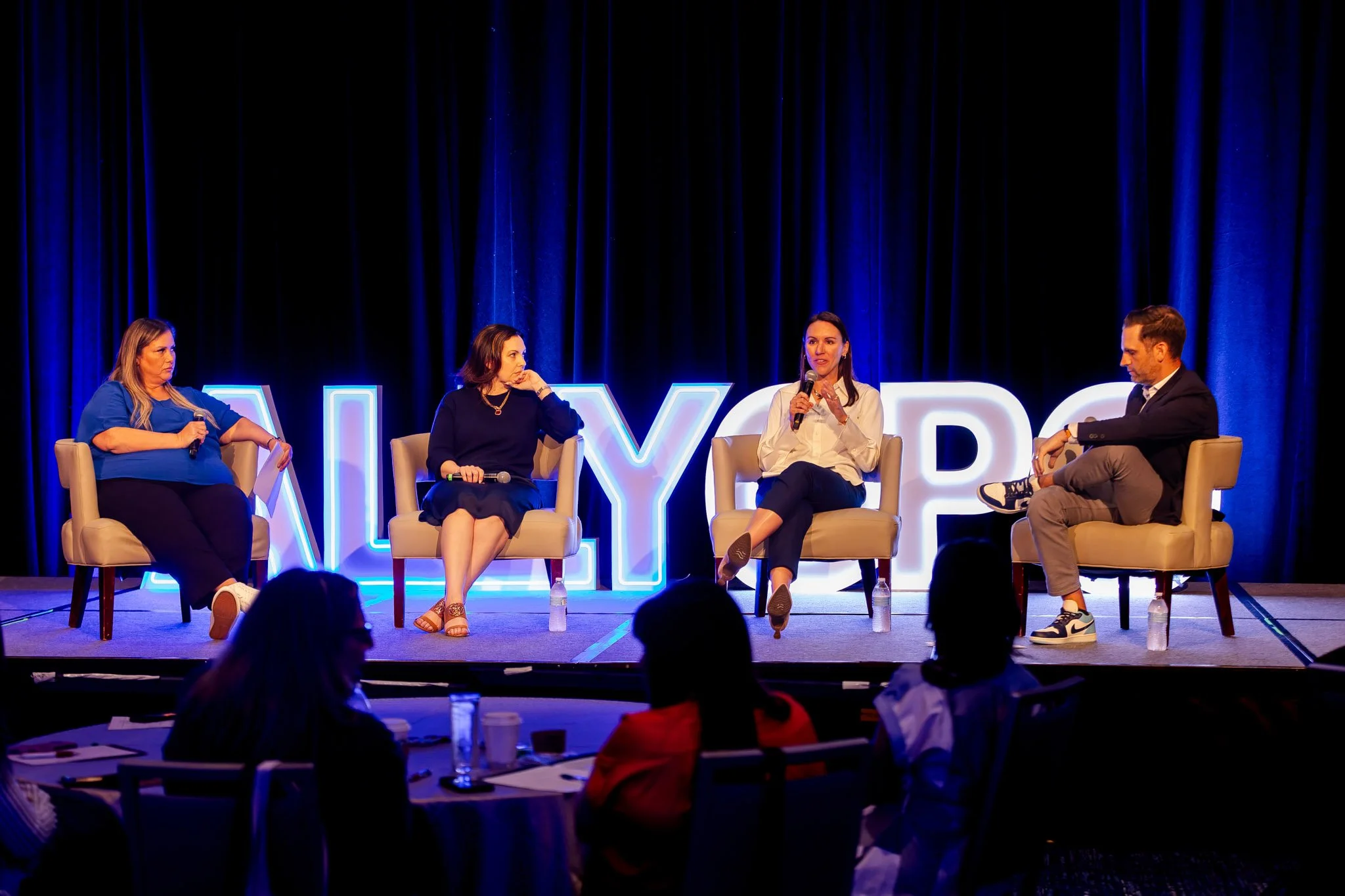
7 Things Your Media Team Wishes Every Event Planner Knew Before Event Day
In this blog, we break down seven key media strategies every event planner needs to know, from lighting adjustments to sponsor coverage and intentional content moments—so their events stand out long after the day ends.
A successful corporate event isn't measured only by attendance—it's measured by how well it continues working for your organization after everyone goes home.
The photos and videos captured at your conference become marketing assets for future events, sponsor presentations, recruiting, your website, social media, and sales materials.
The truth is, the quality of those assets depends on decisions made long before your photographer or videographer ever picks up a camera.
1. A Five-Minute Schedule Change Can Cost You Your Most Important Photos
Last-minute schedule changes happen at nearly every event, and experienced media teams understand that. The challenge isn't the change itself—it's making sure your photographer or videographer knows about it.
If a keynote begins early or an award presentation moves to another room without warning, those once-in-a-lifetime moments can easily be missed.
The simplest solution is assigning one person from your planning team to communicate schedule updates throughout the day. Even a quick text message can make all the difference.
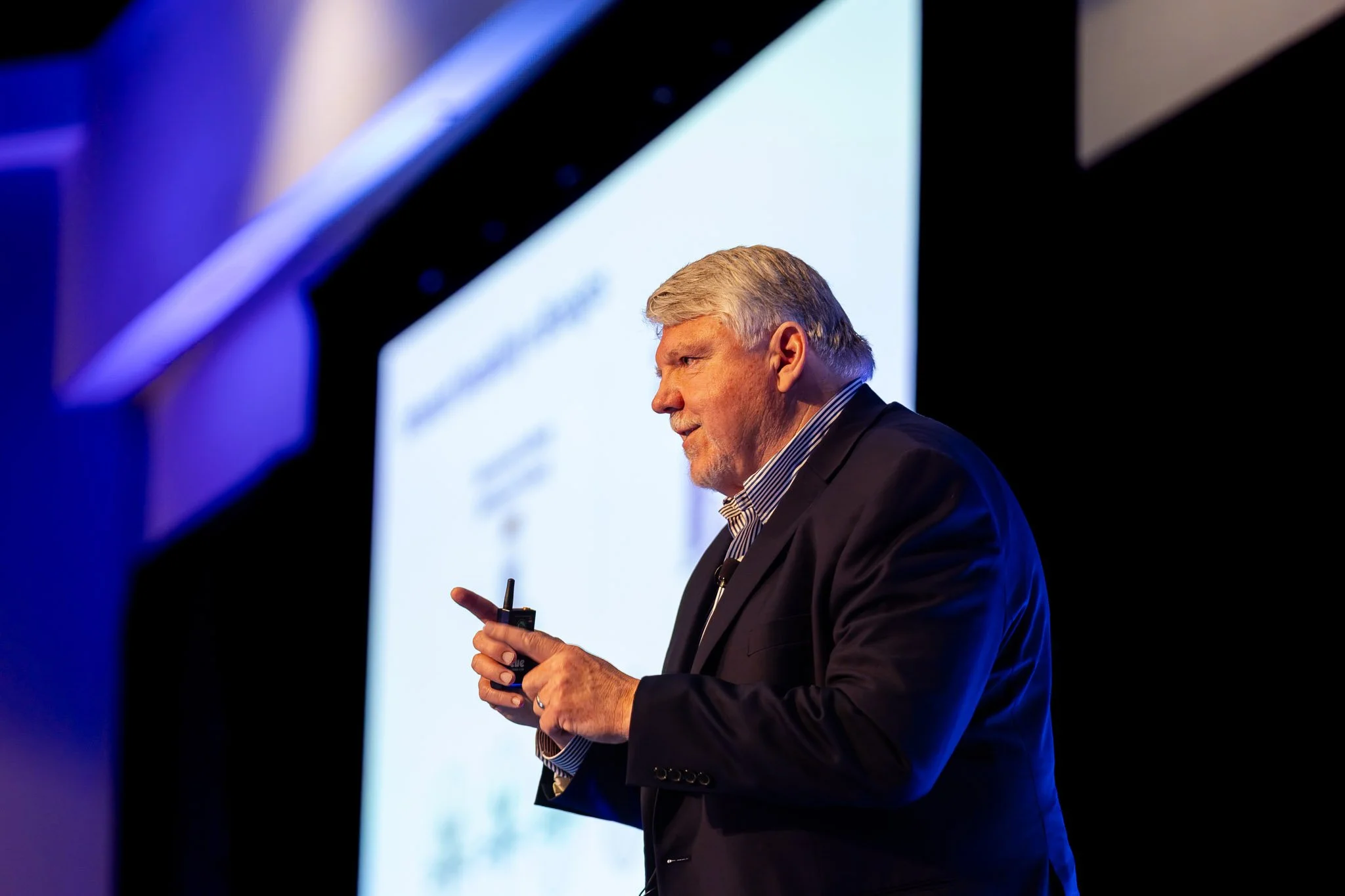
Mae Media LLC 2026
2. Good Lighting Makes Your Company Look More Professional
Lighting affects much more than brightness—it influences how polished your company appears.
A ballroom may look beautiful in person, but extremely dark rooms or colorful uplighting can make faces difficult to see and logos nearly impossible to read in photos and video.
Whenever possible:
Keep presenters well-lit from the front.
Avoid speaking in complete darkness.
Test stage lighting before guests arrive.
Small adjustments create a dramatic improvement in the final gallery.
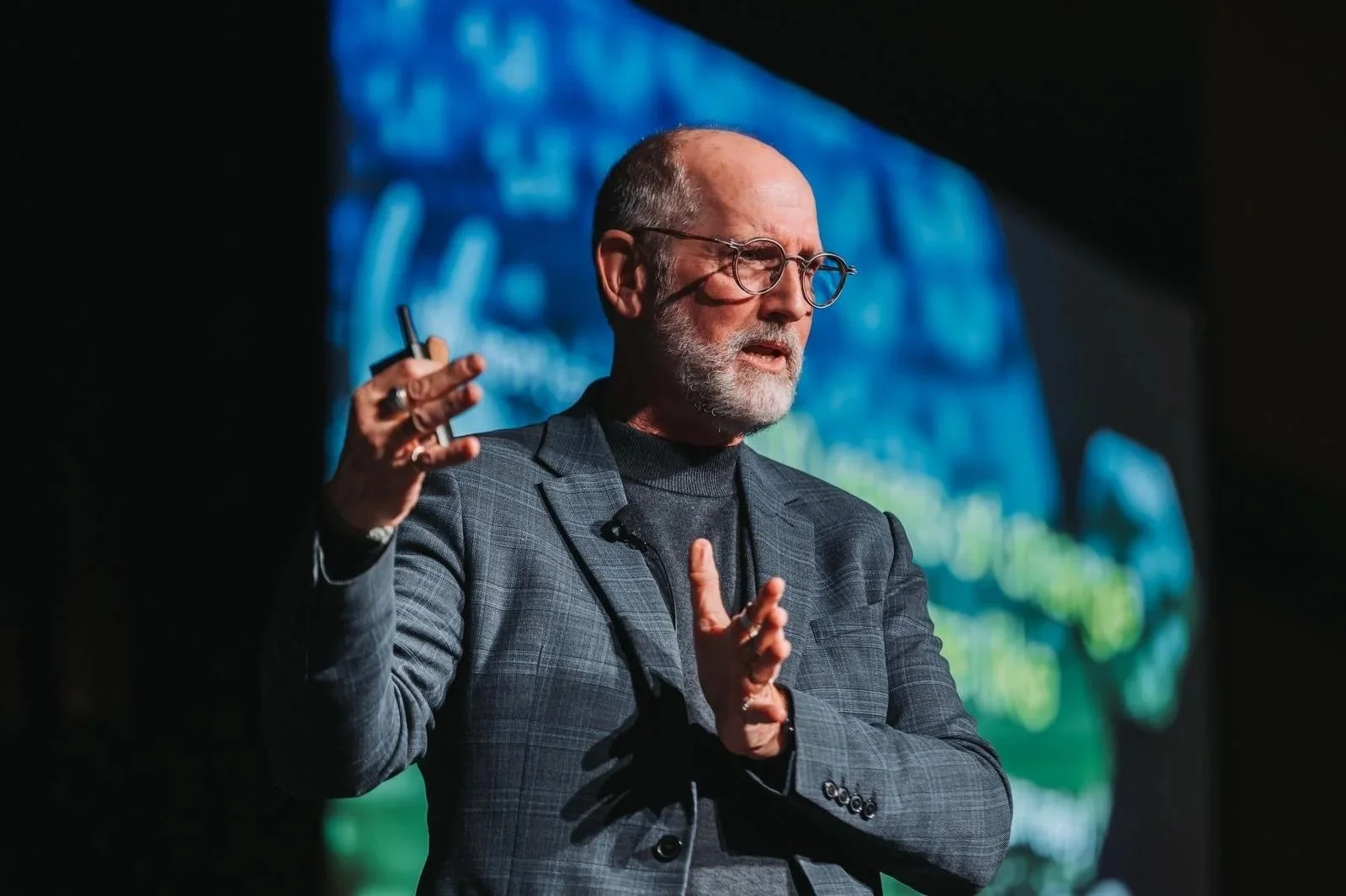
MAE Photography LLC 2026
3. Avoid Scheduling Every Major Moment at the Same Time
One challenge planners don't always see is what happens behind the camera.
Imagine these happening simultaneously:
The CEO greeting VIP guests
An awards presentation
A sponsor activation
A networking reception
Your media team can only be in one place at a time.
Spacing major moments even 10 to 15 minutes apart allows every important part of your event to receive the attention it deserves.
4. Tell Your Media Team What Success Looks Like
One of the most common directions photographers receive is:
"Just capture everything."
While we'll certainly document the event, understanding your priorities allows us to create content with purpose.
Ask yourself:
Is leadership visibility important?
Are sponsors your biggest priority?
Is attendee engagement the main goal?
Are you creating content to market next year's conference?
Do you need more website content than social media content?
Knowing the answers helps your media team tell the right story instead of simply documenting the day.
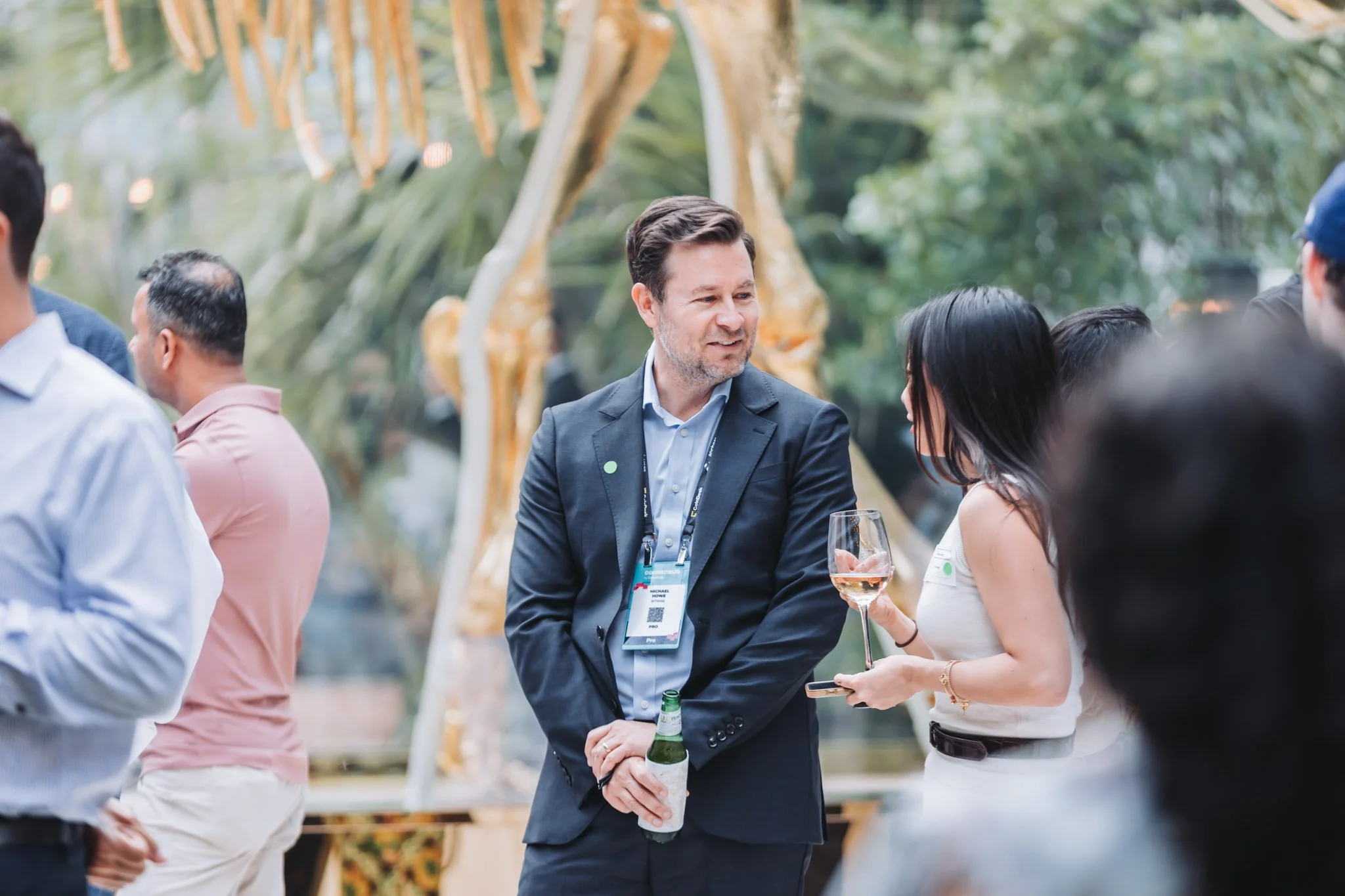
MAE Photography LLC 2026
5. Your Sponsors Want More Than Just One Photo
Sponsors invest heavily in your event.
Help maximize that investment by making sure they're featured throughout the day.
Great sponsor coverage includes:
Booth interactions
Product demonstrations
Branded signage
Representatives talking with attendees
Guests actively engaging with sponsor experiences
These images become valuable marketing assets that sponsors can use themselves—and they also help demonstrate ROI when it's time for sponsorship renewals.
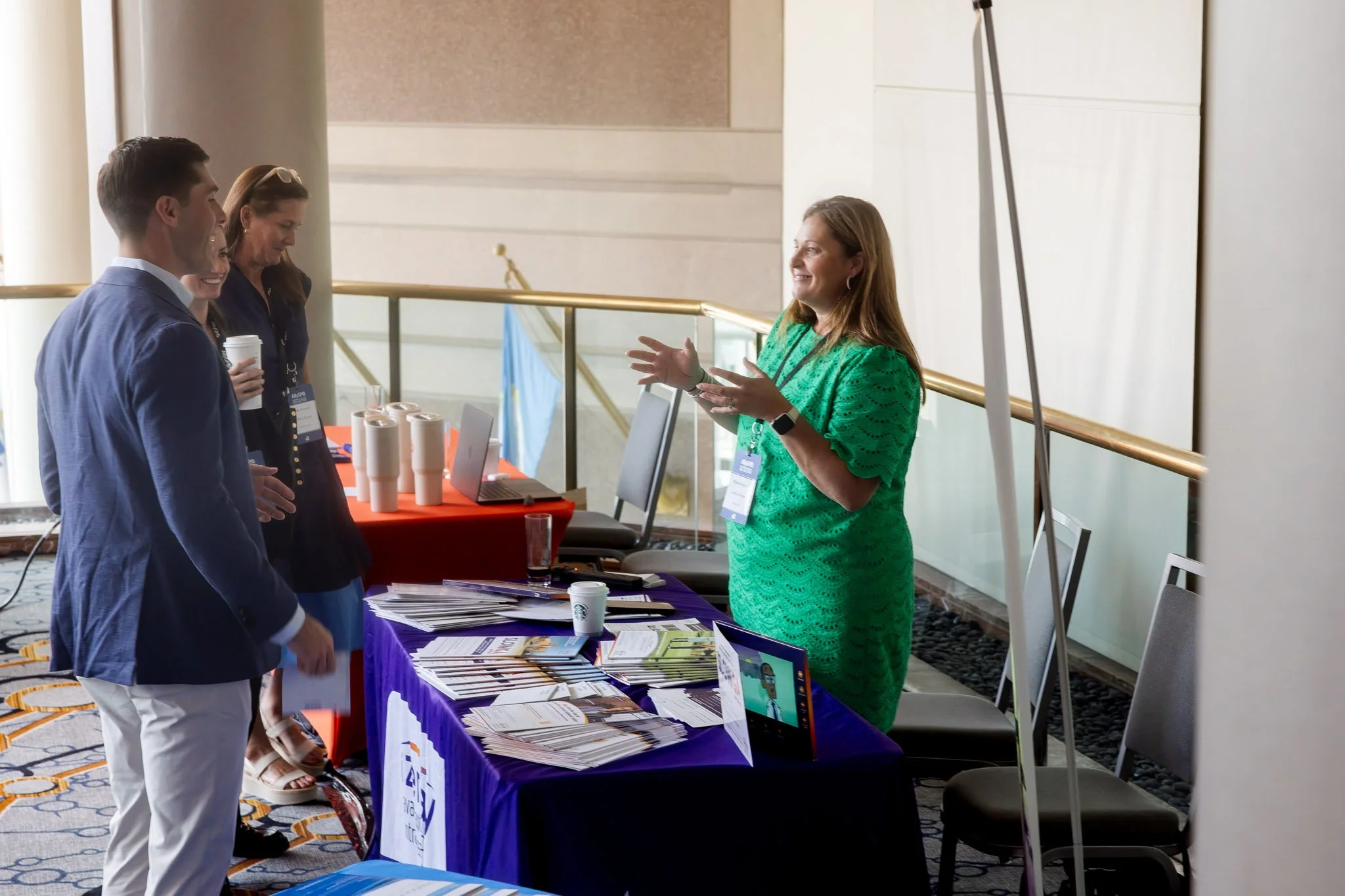
MAE Photography LLC 2026
6. A Few Planned Content Moments Beat Hundreds of Random Photos
The strongest event galleries aren't always the biggest.
They're the most intentional.
Before your event begins, think about moments you'd love to use six months from now.
Examples include:
Leadership greeting attendees
Team celebrations
Client conversations
VIP networking
Group photos before sessions begin
Executive portraits
Planning these moments ahead of time often creates the images that end up on company websites, annual reports, brochures, and LinkedIn.
7. Think Beyond Event Day
The conference may last one or two days.
The content can work for your business all year.
One event can provide assets for:
Website updates
Recruiting campaigns
Social media
Speaker highlight videos
Sponsor recap reports
Sales presentations
Marketing future conferences
When you begin thinking of event photography and video as a long-term investment instead of a one-day expense, the value grows exponentially.
MAE Photography LLC 2026
Final Thoughts:
Your event media is so much more than just a collection of photos or videos, it’s a strategic asset that amplifies your brand and your sponsors’ success long after the event ends. At MAE Media, we help planners bring their vision to life with intentional storytelling and nationwide reach. If you’re ready to transform your next event into a lasting marketing asset, visit maepictures.com today and let’s start planning!
What Corporate Event Planners Should Expect From Their Media Team Before, During, and After the Event
Corporate event planners and marketing teams need more than nice photos — they need media coverage that supports the event, protects the brand, and creates content that can be used after the room clears. Here’s what planners should expect from a professional corporate event media team before, during, and after the event.
Mae Photography LLC 2026
Planning a corporate event is not just about filling a room, booking speakers, and making sure the schedule runs on time. For many planners and marketing teams, the event also has to serve a bigger purpose.
It needs to create content.
It needs to support the brand.
It needs to show attendance, energy, engagement, leadership, and value.
And after the event is over, the photos and videos need to help the company keep the momentum going.
That is why choosing the right corporate event media team matters.
A strong media team should do more than show up with cameras. They should understand what planners are trying to accomplish, what marketing teams need after the event, and how to capture moments that are useful beyond the day itself.
Before the Event: Your Media Team Should Understand the Goal
Before the event begins, your media team should have a clear understanding of what matters most.
Every corporate event is different. A leadership summit may need polished speaker coverage and executive moments. A conference may need attendee engagement, branding, breakout sessions, sponsor visibility, and networking photos. A brand activation may need energy, interactions, product moments, and social-ready content.
The best results usually come when the planner and media team are aligned before event day.
Helpful things to share before the event include:
The event schedule
Important speakers or leadership names
Any VIPs who should be photographed
A general shot list
Branding or sponsor priorities
Key rooms or activations
Any moments that cannot be missed
How the photos and videos will be used after the event
This helps the media team work with intention instead of simply reacting to whatever is happening in the room.
During the Event: The Media Team Should Be Professional, Aware, and Flexible
Corporate events move quickly. Schedules change, speakers run long, rooms shift, and important moments can happen unexpectedly.
A good media team should be able to adjust without creating more stress for the planner.
That means being professional with guests, aware of the room, and respectful of the event flow. The goal is to document the event without becoming a distraction.
For planners, this is important because the media team is often moving through the same space as attendees, executives, sponsors, and speakers. The right team knows how to capture the room naturally while staying polished and professional.
Strong corporate event coverage usually includes:
Candid attendee interactions
Speaker and panel coverage
Audience reactions
Networking moments
Branded signage and sponsor details
Room atmosphere
Leadership and VIP coverage
Group moments
Social and marketing-friendly images
These are the photos and videos that help tell the full story of the event.
After the Event: Fast Delivery Matters
Once the event is over, the content becomes part of the marketing strategy.
Planners and marketing teams may need images for internal recaps, social media, newsletters, sponsor reports, press releases, websites, and future event promotion.
That is why turnaround time matters.
A fast, organized delivery helps the client keep the energy of the event alive. If the content comes too late, the momentum is gone. A great event deserves content that can be used while people are still talking about it.
This is where an experienced corporate event media team can make a big difference.
The goal should not only be to deliver beautiful images. The goal should be to deliver useful images that help the company continue the conversation after the event.
Why Planners Should Think About Content Before the Event Starts
One of the biggest mistakes companies make is treating photo and video as an afterthought.
The event gets planned first, and the media team gets added at the end.
But if content is part of the goal, then media coverage should be part of the planning conversation early.
When planners think about content ahead of time, they can make better decisions about:
Where branding should be placed
Which moments need coverage
How leadership should be photographed
What sponsors may need afterward
Which sessions should be prioritized
What content the marketing team will need after the event
This creates a smoother experience for everyone.
It also helps make sure the event is not just remembered by the people in the room, but also by the people who see the content afterward.
What Planners Really Need From a Media Partner
At the end of the day, planners do not need another vendor who simply shows up and waits to be told what to do.
They need a media partner who understands the pressure of the event.
They need someone who knows that timing matters.
They need someone who understands brand image.
They need someone who can capture the room without getting in the way.
They need someone who can deliver content that is clean, professional, and useful.
Corporate event photography and video should make the planner’s job easier, not harder.
The right media team helps document the event, support the marketing team, and create content that can continue working long after the event ends.
Work With MAE Media
At MAE Media, we understand that corporate events are more than just one day on the calendar. They are brand moments, marketing opportunities, leadership touchpoints, and content opportunities.
We work with planners and marketing teams to capture corporate events in a way that feels polished, natural, and useful for post-event marketing.
If you are planning a conference, corporate event, executive meeting, brand activation, or multi-day event, you can learn more here:

10 Corporate Event Photography Trends for 2026
Corporate event photography in 2026 is more than basic event coverage. Companies now need polished, story-driven visuals that support marketing, executive communications, social media, recruitment, and long-term brand visibility. In this article, MAE Media breaks down the top corporate event photography trends shaping conferences, brand activations, executive meetings, and multi-day corporate events in 2026.
MAE Photography LLC 2026
How strategic event imagery is shaping the way companies communicate, market, and build trust
Suggested image caption:
A corporate leader speaking from the main stage during a professional conference, surrounded by branded visuals, engaged attendees, and a polished event environment.
Suggested image alt text:
Corporate speaker presenting on stage during a professional conference with audience members watching.
Corporate event photography continues to evolve as companies expect more from their event coverage than simple documentation.
In 2026, corporate photography is no longer just about capturing who attended, who spoke, and what the room looked like. It is about creating visual assets that support marketing, executive communications, social media, recruitment, public relations, and long-term brand storytelling.
For companies hosting conferences, executive meetings, brand activations, trade shows, networking events, and multi-day corporate programs, photography has become part of the communication strategy.
At MAE Photography LLC, also known as MAE Media, we help corporate teams, agencies, and event planners capture the moments that matter with polished, professional, and fast-turnaround photography and video coverage. Based in South Florida and available for regional and nationwide corporate events, our goal is simple: make your event look credible, intentional, and valuable long after it is over.
Here are the corporate event photography trends shaping 2026.
Corporate Event Photography Trends for 2026 at a Glance
In 2026, corporate event photography is moving toward:
Story-driven coverage
Executive and leadership visibility
Editorial-quality imagery
Fast-turnaround content
Brand-focused visual storytelling
More natural and candid moments
Cross-platform content for websites, social media, and internal communications
Stronger coverage of conferences, panels, and speaker sessions
Greater attention to diversity, culture, and audience engagement
Long-term media assets that support future marketing
The strongest event coverage is no longer just about having photos from the day. It is about creating content that helps a company communicate who they are, what they value, and why the event mattered.
Why Corporate Event Photography Matters More in 2026
Corporate events are no longer isolated moments. They are content opportunities.
A single conference, summit, or brand activation can create months of marketing material if it is covered correctly. Photos from one event can be used across:
Company websites
Social media campaigns
Email marketing
Press releases
Sponsor recaps
Internal newsletters
Sales presentations
Recruiting material
Future event promotions
Executive LinkedIn posts
This is why companies are becoming more intentional about who they hire to document their events.
A corporate event photographer must understand more than camera settings. They need to understand timing, professionalism, branding, audience behavior, executive presence, and how the final images will be used.
For MAE Media, the focus is not only on covering the event. The focus is on helping companies walk away with useful, polished, brand-aligned media that supports the bigger picture.
The Defining Corporate Event Photography Trends for 2026
1. Storytelling Over Basic Documentation
The days of simply taking random photos throughout an event are fading.
Companies now want their event coverage to tell a complete story. That means capturing the full experience, not just the obvious moments.
Strong corporate event storytelling includes:
Guest arrivals
Registration and check-in
Branded signage
Room details
Speaker sessions
Audience reactions
Networking moments
Sponsor activations
Leadership interactions
Candid conversations
Closing moments
When these pieces come together, the final gallery feels intentional. It shows the energy, professionalism, and purpose behind the event.
In 2026, companies want images that help answer one important question:
Why did this event matter?
2. More Natural, Human, and Candid Imagery
Corporate photography is becoming more human.
While posed photos still have their place, companies increasingly want candid images that feel real, warm, and engaging. The best corporate event photos show people connecting, listening, laughing, learning, and interacting naturally.
This matters because audiences can tell when photos feel forced.
Authentic imagery helps companies appear more approachable and trustworthy. It shows the culture behind the brand. It also gives marketing teams stronger content for social media, where overly staged images often feel less effective.
In 2026, the strongest event galleries will include a balance of polished professionalism and real human emotion.
3. Editorial-Quality Corporate Coverage
Corporate event photography is moving closer to editorial photography.
Companies want images that feel polished enough for websites, publications, press, LinkedIn, and brand campaigns. This means stronger composition, cleaner backgrounds, better timing, and more intentional framing.
Editorial-quality coverage focuses on:
Clean speaker images
Strong stage compositions
Intentional use of branding
Professional lighting
Sharp audience reactions
Natural networking moments
Images that feel premium, not generic
This is especially important for conferences, leadership summits, executive forums, and brand activations where the visuals must reflect the quality of the company hosting the event.
At MAE Media, we approach corporate events with this editorial mindset. The goal is not just to capture what happened. The goal is to make the event look professional, credible, and worth remembering.
4. Fast-Turnaround Content Is Becoming Essential
Speed matters more than ever.
Corporate teams often need images quickly while the event is still relevant. Social media posts, press releases, sponsor recaps, and internal updates cannot always wait weeks.
In 2026, companies are increasingly expecting:
Same-day selects
Next-day preview images
Fast social media-ready content
Organized online galleries
Quick delivery for marketing teams
Highlight assets for event recaps
Fast turnaround shows that the media team understands the pace of modern business communication.
The faster a company can share polished visuals, the more momentum the event creates.
For conferences and multi-day events, fast delivery can also help generate excitement while the event is still happening.
5. Leadership Visibility Is Becoming a Strategy
Corporate event photography plays a major role in how leaders are perceived.
Keynote speakers, executives, panelists, moderators, and company leadership need images that show confidence, authority, and connection. These photos often become part of a leader’s professional presence online.
Strong leadership imagery can be used for:
LinkedIn posts
Executive bios
Company announcements
Press features
Speaking recaps
Internal communications
Investor or stakeholder updates
The best images show more than someone standing at a podium. They show presence.
A strong corporate event photographer knows how to capture posture, expression, timing, and audience connection in a way that supports the speaker’s credibility.
In 2026, leadership visibility will continue to be one of the most valuable parts of corporate event coverage.
6. Corporate Events Need Photo and Video Working Together
Photography is still essential, but companies are increasingly thinking in terms of full media coverage.
That means photography, video, b-roll, highlight reels, speaker clips, and social content all working together.
A strong event media strategy may include:
Professional still photography
B-roll of attendees and event details
Speaker/session coverage
Short-form social clips
Highlight reels
Interview footage
Sponsor recap content
Website-ready video assets
This is why companies are moving away from hiring only a photographer and instead looking for a media coverage partner.
At MAE Media, this is exactly where we fit. We support corporate teams with photography and video coverage designed to work across multiple platforms after the event is over.
7. Branding Is Becoming More Subtle and Strategic
Corporate event photography used to focus heavily on logos, step-and-repeats, and signage.
Those still matter, but in 2026, the strongest branding often feels more natural.
Companies want visuals where the brand is present without overpowering the moment. That means capturing branded environments, stage design, signage, sponsor elements, and event details in a way that feels polished and organic.
Strategic brand coverage includes:
Signage and environmental branding
Branded stages and screens
Sponsor booths
Name badges
Printed materials
Step-and-repeat moments
Product displays
Decor and room design
Attendee interaction with branded spaces
The goal is to show the brand without making every image feel like an advertisement.
Good event photography creates a visual record of the brand experience.
8. Audience Engagement Matters More Than Ever
A conference is not only about the person on stage.
The audience matters too.
In 2026, companies want photography that shows engagement, participation, and energy in the room. This is especially important for conferences, panels, workshops, and leadership events.
Audience engagement photos can show:
Attendees listening
People taking notes
Group discussions
Applause
Q&A moments
Networking
Breakout sessions
Shared reactions
Collaboration
These images help prove that the event was active, valuable, and well-attended.
For future marketing, audience engagement photos are powerful because they show that people were not just present. They were involved.
9. Representation and Cultural Awareness Are Essential
Companies are paying closer attention to how their people, audiences, and communities are represented.
Corporate event photography should reflect the diversity of the room in a natural and respectful way. This includes leadership, attendees, speakers, teams, sponsors, and guests.
The goal is not to force a message. The goal is to document the event honestly and thoughtfully.
A strong corporate event photographer understands how to capture people with professionalism, dignity, and awareness.
In 2026, companies want event coverage that feels inclusive, modern, and aligned with their values.
10. Event Photography Is Becoming Long-Term Brand Content
One of the biggest shifts in 2026 is that companies are no longer treating event photography as a one-time deliverable.
The images from a conference or corporate event can become long-term assets.
They can support:
Future event promotion
Website refreshes
Annual reports
Sales decks
Social media campaigns
Recruitment
Internal culture content
Sponsor relationships
Company archives
This means the value of event photography extends far beyond the day of the event.
When captured correctly, one event can produce a library of content that supports a company for months or even years.
That is why choosing the right corporate media team matters.
What These Trends Mean for Companies Planning Events in 2026
The message is clear:
Corporate event photography is now part of a company’s communication strategy.
The right media team does more than show up with cameras. They understand the event goals, the brand, the audience, the leadership, and how the final images will be used.
For companies planning conferences, brand activations, executive meetings, trade shows, corporate retreats, networking events, and multi-day programs, photography and video coverage should be planned with intention.
Before hiring a media team, companies should ask:
Do they understand corporate events?
Can they capture leadership professionally?
Can they work around speakers, guests, and tight schedules?
Can they deliver quickly?
Can they provide both photography and video?
Do they understand brand usage?
Can they support multi-day events?
Can they travel if needed?
Can they create content that works beyond the event itself?
In 2026, the best corporate event photographers will not just document the day.
They will help companies create proof of presence, professionalism, and impact.
Why MAE Photography LLC / MAE Media Is Built for Corporate Event Coverage
MAE Photography LLC, also known as MAE Media, supports companies, agencies, and corporate event teams with reliable photography and video coverage for professional events.
We cover:
Corporate conferences
Executive meetings
Brand activations
Trade shows
Networking events
Speaker sessions
Panel discussions
Multi-day events
Company celebrations
Corporate retreats
B-roll and highlight reels
Fast-turnaround event content
We are based in South Florida and available for regional and nationwide corporate event coverage.
Our approach is professional, polished, and intentional. We understand that your event is not just something to document. It is something your company can use to market, communicate, and build trust.
Ready to Elevate Your 2026 Corporate Event Coverage?
Planning a 2026 conference, brand activation, executive meeting, or multi-day corporate event?
MAE Photography LLC / MAE Media provides professional photography, video, b-roll, highlight reels, speaker/session coverage, and fast-turnaround content for corporate teams and agencies.
Whether your event is in South Florida or across the country, we can support your team with reliable, high-quality media coverage designed to make your event look polished, professional, and memorable.
Let’s make your next event look as strong as the brand behind it.
Contact MAE Media today to discuss your upcoming corporate event.
Website: www.maepictures.com
Email: info@maepics.com
Phone: 954-397-0670
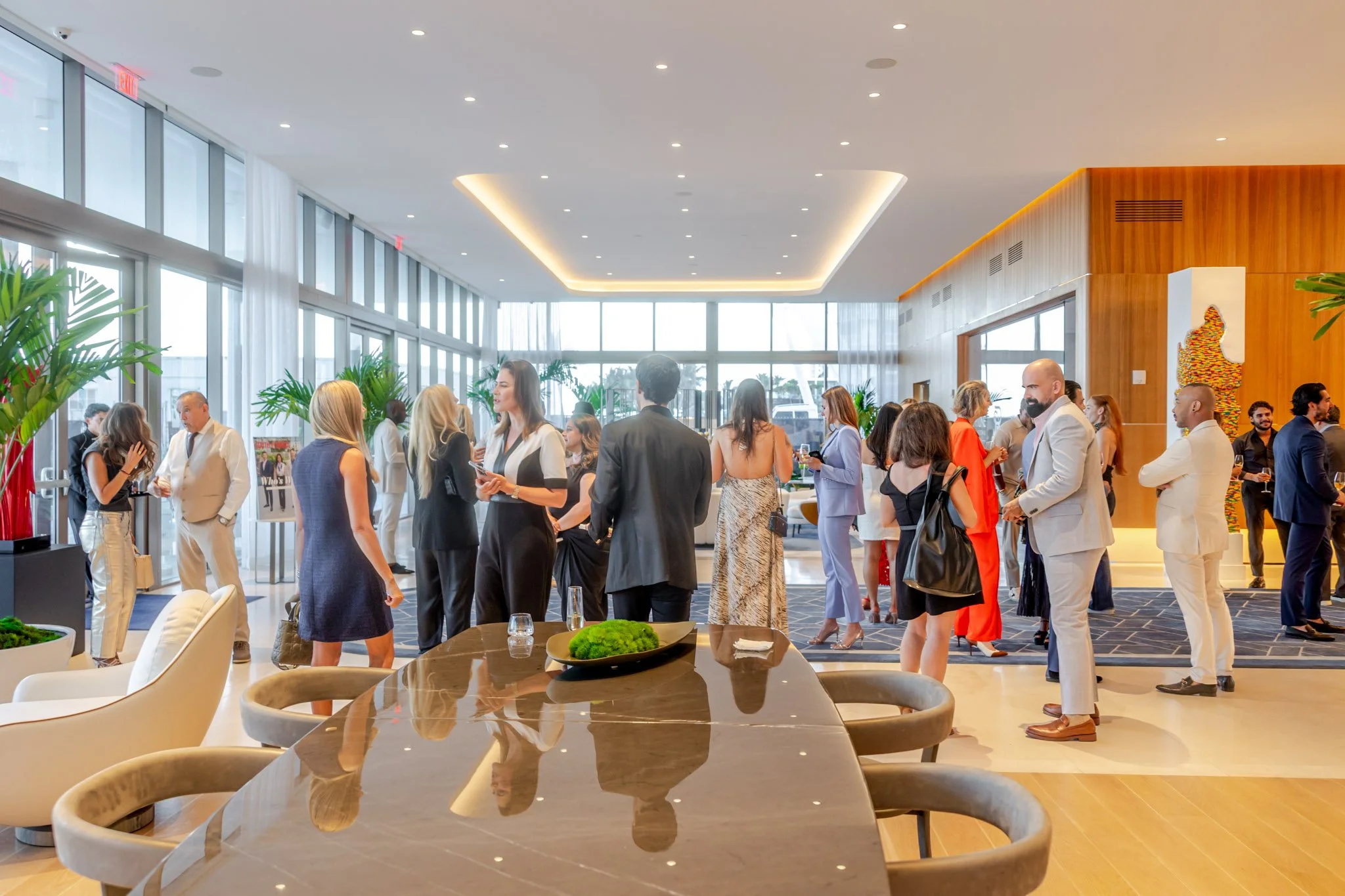
What a Corporate Event Media Team Should Capture at Every Conference
A strong corporate event media team captures more than speaker photos. From audience reactions and sponsor branding to networking, executive moments, video b-roll, and wide room shots, professional photo and video coverage helps companies turn their event into marketing content that works long after the event ends.
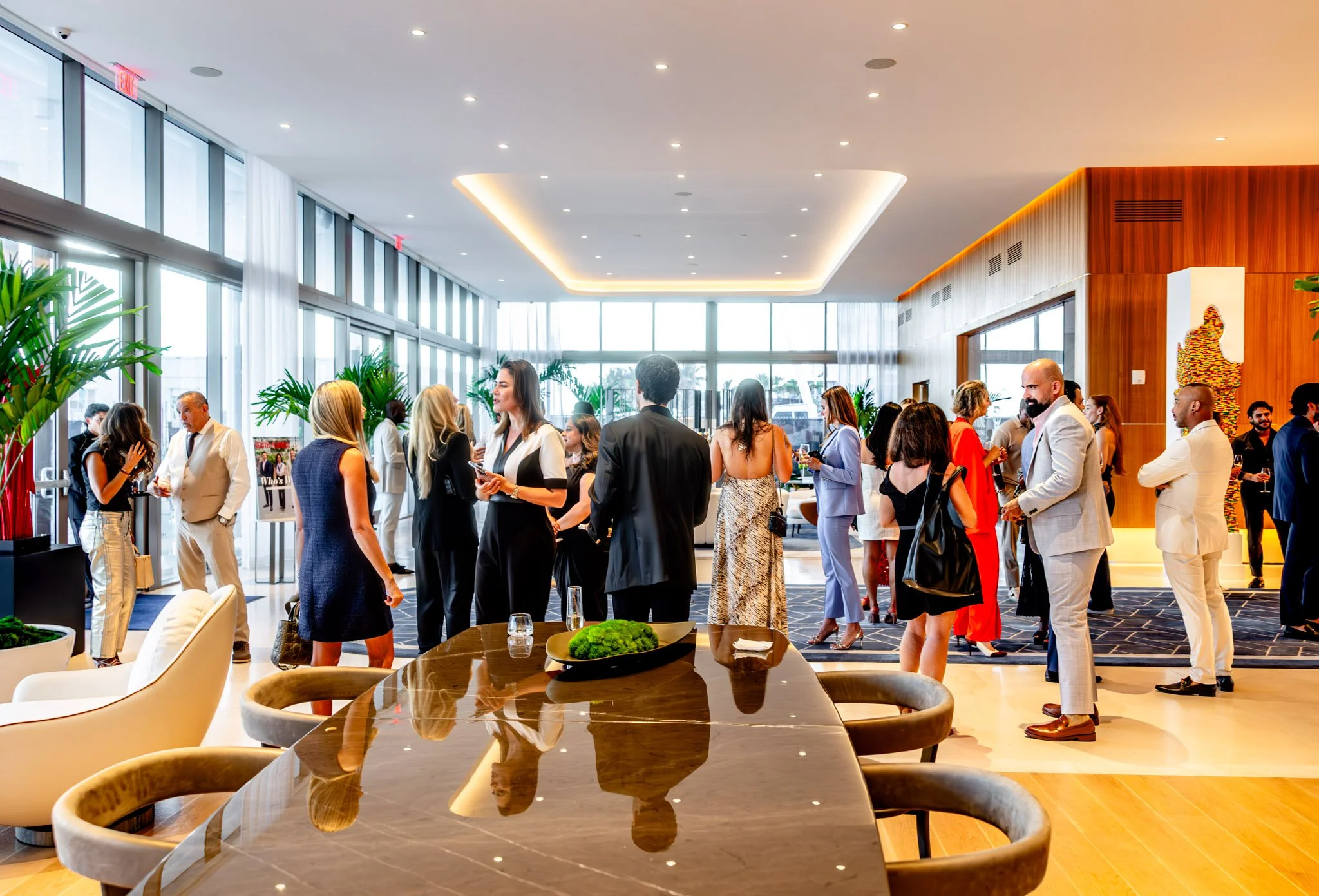
Corporate mixer Miami Beach, Florida 2026
Corporate events move fast. One moment the keynote speaker is walking on stage, the next moment attendees are networking, sponsors are activating, executives are shaking hands, and your team is already thinking about how the event will be used for marketing after it is over.
That is why corporate event photography and video should never be treated like an afterthought.
A strong media team does more than show up with cameras. The right team understands the rhythm of conferences, conventions, brand activations, leadership summits, pharmaceutical events, nonprofit galas, corporate meetings, and multi-day programs. They know what matters to the planner, the marketing team, the sponsors, the speakers, and the brand.
At MAE Media, our approach is simple: capture the event in a way that helps your team use the content long after the room clears.
Whether your company needs event photography, video coverage, b-roll, recap content, speaker coverage, sponsor branding, or social-ready visuals, here are the key moments every corporate event media team should be prepared to capture.

Keynote Speaker, MAE Photography LLC
1. Speaker and Stage Coverage
The speaker moments are often the backbone of a corporate event. Whether it is a keynote, panel discussion, breakout session, fireside chat, or leadership presentation, the media team needs to capture more than one generic shot from the back of the room.
Strong speaker coverage should include:
Wide shots of the stage and room
Medium shots of the speaker presenting
Close-up shots with clear expression
Direct-facing images of each presenter
Panel interaction and moderator moments
Speaker gestures, audience engagement, and branded screens
Video clips that can be used for recap edits or promotional content
These images and video clips help show the professionalism of the event and give the marketing team strong assets for LinkedIn, recap emails, future promotions, internal communications, and website content.
For corporate teams, speaker coverage is not just documentation. It is proof that the event had authority, value, and impact.
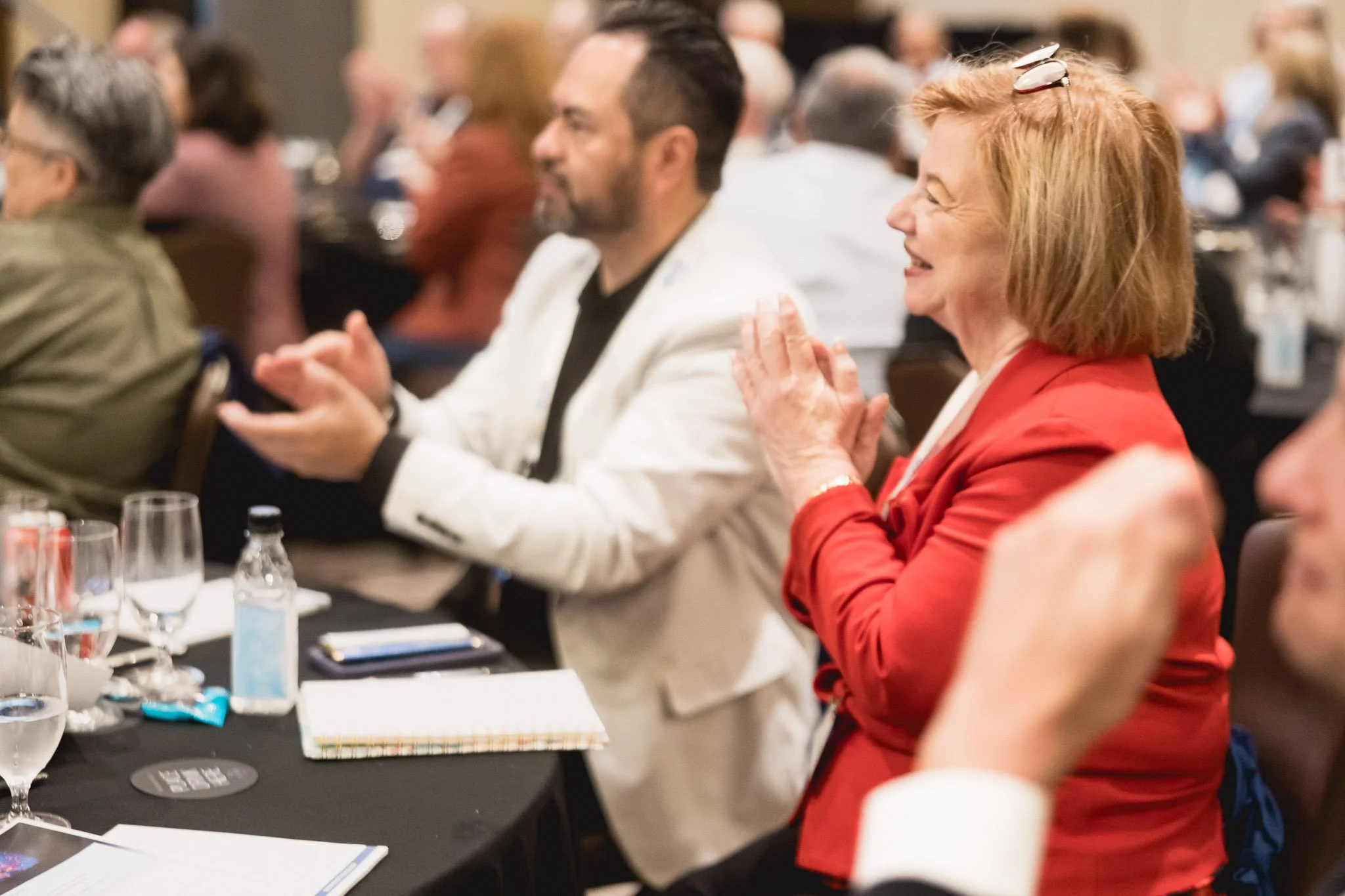
MAE Photography LLC
2. Audience Reactions and Engagement
A room full of people sitting quietly does not tell the full story. The real energy of an event often shows up in the audience.
The right media team should look for:
Attendees listening and reacting
Applause moments
People taking notes
Smiles, laughter, and emotional reactions
Audience members asking questions
Group participation
Attendees engaging with presentations or activities
These shots are powerful because they show that the event was not just attended. It was experienced.
For companies, nonprofits, associations, and pharmaceutical brands, audience engagement is one of the strongest ways to show that the event created value. These visuals help future attendees, sponsors, and stakeholders see the energy in the room.
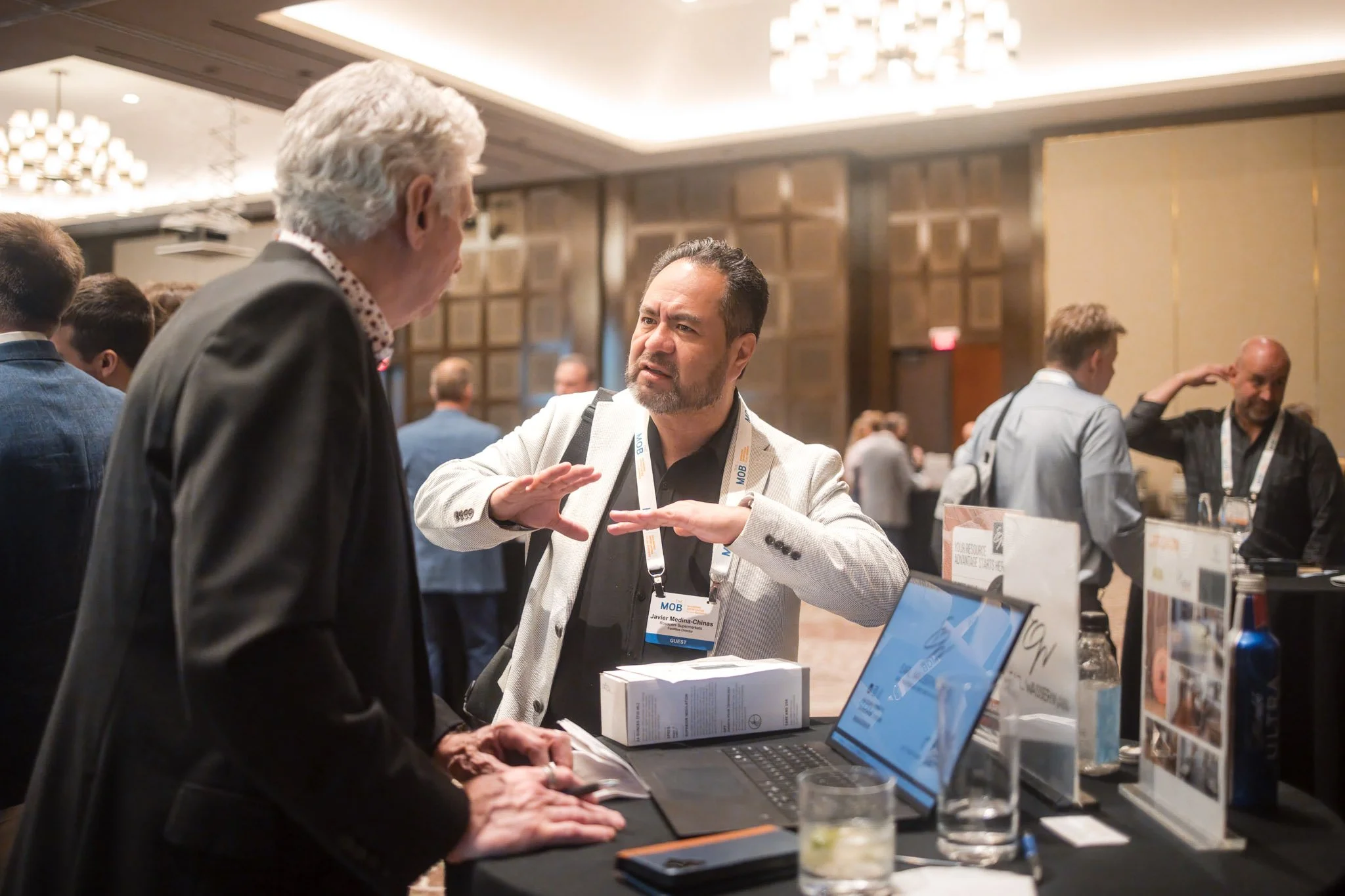
MAE Photography LLC
3. Networking and Candid Interaction
Some of the most important moments at a corporate event happen between the scheduled programming.
Networking coverage should include:
Attendees shaking hands
Small group conversations
Executives connecting with guests
Sponsors speaking with attendees
Laughter and natural interaction
Cocktail reception moments
Registration and welcome moments
People exchanging information or engaging in conversation
These candid moments are essential because they show the human side of the event. They show connection, trust, and community.
A corporate event is not only about what happens on stage. It is also about the relationships being built in the room.
MAE Photography LLC
4. Sponsor Branding and Signage
For many events, sponsor visibility is a major part of the investment. If sponsors are involved, the media team should know how to capture their presence clearly and professionally.
Important branding shots include:
Step-and-repeat walls
Sponsor signs
Branded booths
Registration signage
Directional signage
Event banners
Stage branding
Branded screens
Table displays
Printed materials
Product displays
Sponsor activations
These visuals help event teams report value back to sponsors and show that sponsor presence was integrated into the experience.
For corporate marketing teams, this matters because event content is often used after the event to thank sponsors, promote partnerships, recap attendance, and secure future support.
MAE Photography LLC
5. Wide Room Shots and Event Atmosphere
A conference can look very different depending on how it is photographed and filmed.
A professional event media team should capture wide shots that show:
The full room
Stage and audience together
Event scale
Lighting and production
Seating layout
Branded environment
Crowd size
Venue atmosphere
These shots help tell the full story. They show that the event was well-produced, attended, and professionally executed.
Wide room shots are especially valuable for conventions, conferences, summits, and multi-day corporate programs because they help communicate scale.
6. Detail Shots That Support the Brand Story
Details matter because they make the event feel intentional.
Important detail shots can include:
Name badges
Programs and agendas
Table settings
Branded materials
Gift bags
Awards
Food and beverage details
Stage design
Lighting details
Sponsor collateral
Registration materials
Product displays
These shots are useful for social media, recap galleries, event blogs, sponsor reports, and future promotional materials.
The details help show the planning, design, and brand experience behind the event.
7. Video B-Roll for Recaps and Future Promotion
Video is one of the most valuable assets a corporate event can produce.
A strong video team should capture b-roll that supports:
Event recap videos
Social media clips
Website videos
Sponsor thank-you edits
Internal company videos
Future event promotion
Paid ad creative
Email marketing campaigns
Important b-roll moments include:
Guests arriving
Registration
Speaker entrances
Audience reactions
Networking
Sponsor booths
Branded signage
Close-up details
Wide room movement
Applause
Panel discussions
Executive interactions
The goal is not just to film random clips. The goal is to capture footage that can be edited into a clean, professional story.
For many companies, the event is over in a few days, but the content has to keep working for months.
8. Executive, VIP, and Leadership Moments
Many corporate events include executives, board members, sponsors, partners, or key stakeholders. These moments need to be handled with professionalism.
A media team should be ready to capture:
Executives speaking
Leadership interacting with attendees
VIP introductions
Award presentations
Handshakes
Group moments
Candid leadership conversations
Step-and-repeat photos
Sponsor and executive interactions
These images are often used for press, LinkedIn, internal communications, investor updates, donor relations, and company marketing.
They need to look polished, natural, and professional.
9. Group Photos and Team Moments
Group photos are still important, but they need to be handled efficiently.
Corporate event group coverage can include:
Leadership teams
Speaker groups
Sponsor teams
Award winners
Department groups
Planning teams
VIP guests
Company staff
Attendee group moments
A good media team should know how to move quickly, organize people, and make the group look professional without slowing down the event.
10. Content That Helps Market the Next Event
The best event media does not only document what happened. It helps promote what comes next.
After the event, your photo and video content can be used for:
LinkedIn posts
Website updates
Email recaps
Sponsor reports
Sales decks
Event recap videos
Future event registration pages
Paid ads
Press releases
Internal communications
Social media reels
Recruitment and culture content
This is why hiring the right corporate event media team matters.
Your event content should help your team prove value, tell the story, promote future attendance, and keep momentum going.
Why MAE Media Takes a Partnership Approach
Corporate events require more than creative talent. They require preparation, communication, reliability, and an understanding of how corporate teams actually use content.
MAE Media works as a photo and video partner for companies, planners, marketing teams, nonprofits, healthcare organizations, pharmaceutical events, conferences, conventions, and brand activations.
Our role is not to create more stress for your team. Our role is to help you move through the event with confidence, knowing the important moments are being captured.
We focus on:
Professional photo and video coverage
Clean corporate storytelling
Fast, organized delivery
Speaker, audience, branding, and sponsor coverage
Candid moments that show connection
Event visuals that support marketing goals
Reliable communication before, during, and after the event
Whether your event is in South Florida or your company needs a nationwide media solution, MAE Media is built to support corporate teams that need dependable event coverage.
Planning a Corporate Event?
If your team is planning a conference, convention, brand activation, leadership summit, nonprofit event, pharmaceutical event, or corporate gathering, the right media partner can make a major difference.
MAE Media provides professional corporate event photography and video coverage designed for teams that need clean visuals, reliable execution, and content that can be used after the event.
Request a quote here:
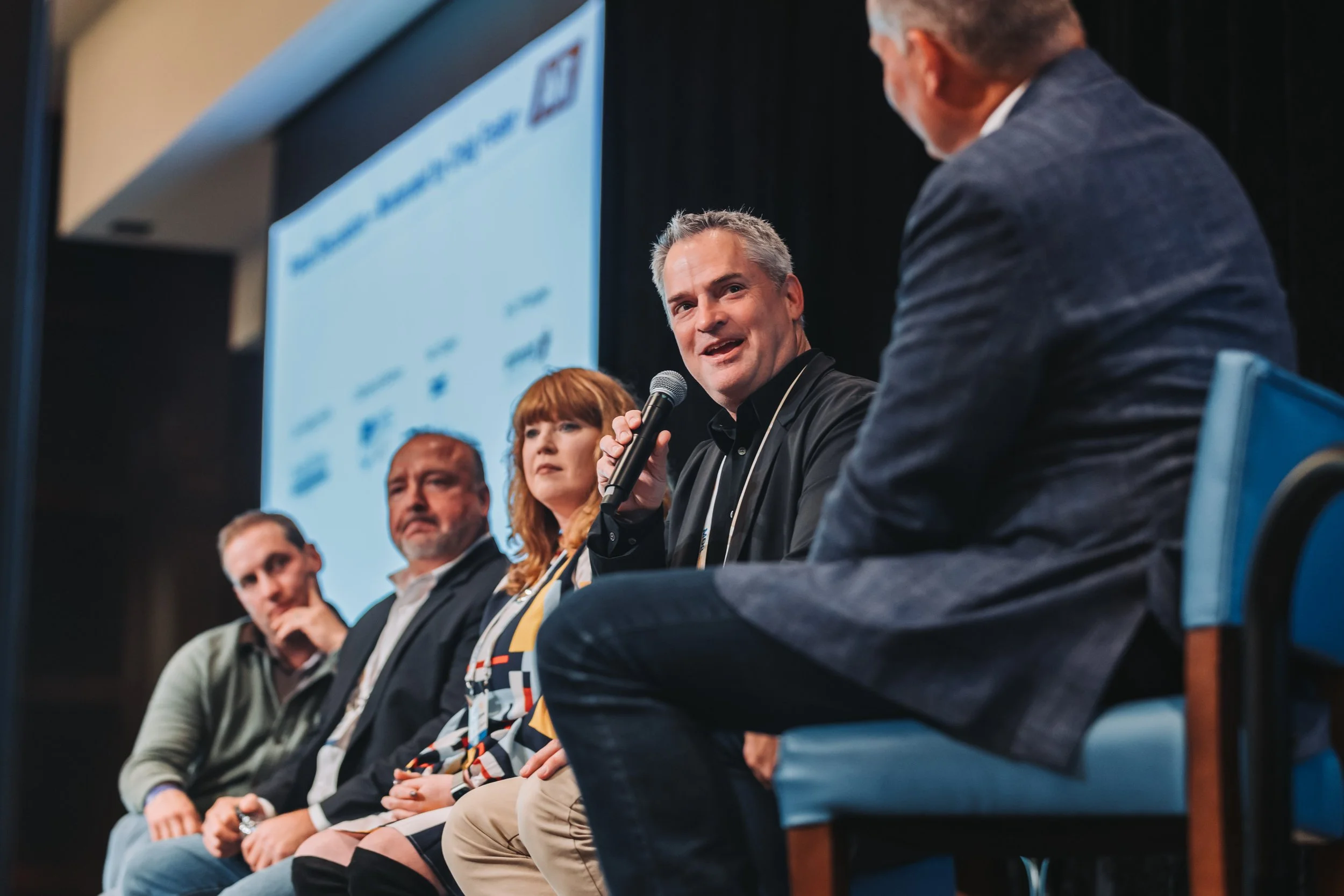
Why Flying In the Right Corporate Media Team Is Sometimes the Smarter Business Decision
Hiring a local photo or video team may seem like the easiest choice for a corporate event, but the right media partner is not always the closest one. When your company has already invested in travel, production, speakers, branding, and logistics, flying in a trusted team can protect the quality of your content, save time, reduce stress, and help ensure your event is captured correctly the first time.
When companies plan corporate events, conferences, retreats, galas, or multi-day brand activations, one of the first questions that comes up is budget.
And naturally, someone usually asks:
“Should we just hire a local photography or video team in the city where the event is happening?”
On the surface, that sounds like the practical move. Local vendor. No travel costs. Less money spent upfront.
But here’s the bigger question:
Are you hiring based on location, or are you hiring based on trust, consistency, and proven results?
Because those are two very different things.
Your Media Team Is Not Just “Taking Pictures”
For corporate events, your photo and video team is not just documenting what happened.
They are capturing your company’s brand, your leadership, your culture, your energy, your audience, your sponsors, your speakers, your client experience, and the story you need to tell after the event is over.
That content may be used for:
Next year’s event promotion
Internal company recaps
Social media campaigns
Sales presentations
Sponsor deliverables
Website updates
LinkedIn marketing
Recruitment content
Press and public relations
So when the media is done poorly, the damage is bigger than just “bad photos” or “a weak recap video.”
You lose momentum. You lose marketing value. You lose the chance to properly show the impact of the event you spent months planning.
Most Companies Are Already Traveling for the Event
A lot of corporate events are destination-based.
The leadership team may be flying in. The marketing team may be flying in. The sales team may be flying in. Attendees may be coming from all over the country.
So the idea that your media partner must be local to the event city is not always the strongest argument.
If your company is already investing in flights, hotels, venue costs, production, catering, speakers, branding, signage, and event logistics, then bringing the right media team should be viewed as part of the cost of doing business.
Especially when that team already understands your company, your standards, your expectations, and your vision.
The Cheapest Option Can Become the Most Expensive Problem
Choosing a new local vendor only because they are local may save money upfront.
But what happens if they do not understand your brand?
What happens if the communication is poor?
What happens if they miss key moments?
What happens if the final gallery feels generic?
What happens if the video does not match the energy of the event?
What happens if they cannot deliver quickly?
What happens if you now have to spend hours explaining your process, reviewing portfolios, taking discovery calls, comparing packages, and hoping the team can actually execute?
That time has a cost.
And if the final product misses the mark, the cost becomes even higher.
Because now you either have unusable content, or you are paying again to try and fix what should have been done right the first time.
Familiarity Matters
When you already have a corporate media partner who delivered for you before, that relationship has value.
They know how your team communicates.
They know what your leadership expects.
They know your preferred style.
They understand the type of moments that matter to your brand.
They know how to move through an event without becoming a distraction.
They know how to capture the room, the people, the emotion, the details, and the energy.
That level of familiarity saves time, reduces stress, and gives your team peace of mind.
And peace of mind is not a small thing when you are managing a major corporate event.
The Right Team Lets You Focus on the Event
When you hire the right media team, you should not have to babysit them.
You should not have to constantly explain what to shoot.
You should not have to worry whether they are capturing speakers, sponsors, networking moments, audience reactions, branded details, or behind-the-scenes energy.
You should be able to focus on your attendees, your clients, your executives, your sponsors, and the overall success of the event.
That is the difference between hiring a vendor and hiring a true media partner.
A vendor shows up and completes a task.
A media partner understands the assignment, protects the brand, and helps create content that continues working long after the event is over.
Location Should Not Be the Deciding Factor
A local team can absolutely be great.
But location alone should not be the reason you choose them.
The better question is:
Who do we trust to get this right?
If the answer is the team that already delivered strong work for your company, then flying them in may be the smarter move.
Not because it is cheaper.
Because it is safer.
Because it is proven.
Because it saves time.
Because it protects the final result.
Because your event only happens once.
Final Thought
Corporate events require a serious investment. The venue, production, travel, planning, food, branding, speakers, and logistics all cost money.
Your media should not be treated as an afterthought.
Because once the event is over, the photos and videos are what continue telling the story.
At MAE Media, we work with companies that want more than basic event coverage. We partner with brands, marketing teams, and event planners who need their event captured with intention, consistency, and professionalism.
Whether your event is in Florida or across the country, the goal is the same:
Get it done right the first time.
Need a corporate media partner for your next event?
Visit www.maepictures.com to connect with MAE Media and start planning your next corporate event coverage.
Corporate Media Partner vs. One-Off Gig Worker: Why the Difference Matters for Your Event Brand
Hiring a photographer or videographer for a single event is easy. Finding a long-term corporate media partner that understands your brand, event flow, leadership team, and production expectations is what truly saves companies time and stress. In this article, MAE Media explains the difference between one-off gig workers and a professional corporate media partnership for conferences, conventions, and corporate events throughout Florida and nationwide.
When companies search for event photography and video coverage, most are simply trying to “find someone with a camera.”
That approach works… until it doesn’t.
The reality is there’s a massive difference between hiring a one-off gig worker to show up for a single event and building a long-term relationship with a true corporate media partner.
At MAE Media, we believe the difference comes down to one thing:
Your time.
The Problem With Constantly Hiring Different Event Media Teams
Many companies throughout Florida and across the United States constantly cycle through different photographers, videographers, freelancers, or production teams for every event they host.
At first, this may not seem like a major issue.
But over time, the process becomes exhausting.
Every new event means:
Re-explaining your company culture
Repeating brand expectations
Re-teaching another team your workflow
Explaining who leadership is
Clarifying what moments matter most
Reviewing timelines all over again
Hoping they understand your event goals
Hoping they deliver on time
Hoping they communicate professionally
That constant repetition becomes tedious, inefficient, and frustrating.
More importantly, it steals the most valuable commodity your company has:
Time.
A Corporate Media Partner Should Reduce Stress, Not Create More of It
“Strong event partnerships are built on trust, communication, and consistency long before the final photos are delivered.”
A true corporate media partner is not just someone you hire to “cover an event.”
A real media partner becomes an extension of your company.
At MAE Media, our goal is to build long-term relationships with our corporate clients so that every event becomes smoother, more efficient, and more aligned with your brand expectations over time.
By working with the same trusted media team consistently, you eliminate unnecessary friction.
You no longer need to spend hours onboarding new photographers or videographers every few months.
You no longer need to wonder:
Will they show up prepared?
Will they understand corporate etiquette?
Will they know what moments matter?
Will they represent our company professionally?
Will the final content actually match our brand?
Instead, you work with a media team that already understands your organization, your leadership, your event flow, and your goals.
That level of familiarity saves time, reduces stress, and creates consistency across every conference, convention, summit, networking event, gala, or corporate activation your company produces.
Consistency Matters More Than People Realize
When your company uses different freelancers or production teams throughout the year, your media starts becoming inconsistent.
Different editing styles.
Different communication styles.
Different delivery timelines.
Different quality standards.
Over time, your brand presence begins to feel disconnected.
A professional corporate media company creates consistency in:
Event photography
Corporate video production
Highlight recap videos
Executive interviews
Branding visuals
Social media content
Delivery timelines
Communication workflows
That consistency matters when your company is trying to build trust, professionalism, and long-term brand recognition.
Corporate Event Coverage Is About More Than Taking Photos
Anyone can buy a camera.
Not everyone understands how to support a corporate event environment professionally.
At MAE Media, we approach every event as a partnership, not a transaction.
That means:
Preparing before the event
Understanding your goals
Supporting your internal team
Capturing usable marketing assets
Delivering media quickly
Creating content your company can actually use for future promotion
Whether your event is in Orlando, Miami, Fort Lauderdale, Tampa, Palm Beach, or anywhere nationwide, our focus is always the same:
Make the process easier for the client while delivering polished, professional media coverage that reflects the value of the event itself.
Why Companies Across Florida and Nationwide Work With MAE Media
Companies continue working with MAE Media because we are not trying to be “just another vendor.”
We aim to become a trusted media partner that understands your organization long-term.
Our clients value:
Fast communication
Reliable coverage
Professional appearance and conduct
Consistent branding
Fast turnaround times
Scalable support for multiple events
Stress-free execution
From corporate conferences in Orlando to conventions in Miami and nationwide event coverage across the United States, MAE Media helps organizations streamline their media production with one dependable team.
Looking for a Long-Term Corporate Media Partner?
If your company is tired of constantly searching for new photographers, videographers, or freelance event crews every time a conference or corporate event comes around, MAE Media is here to help.
We specialize in:
Corporate event photography
Corporate video production
Convention media coverage
Conference photography and video
Executive interviews
Brand storytelling
Highlight recap videos
Nationwide corporate event coverage
Let’s build a long-term partnership that saves your company time, reduces stress, and delivers consistent professional results every single event.
Contact MAE Media today.
Website: www.maepictures.com
Email: info@maepics.com
Phone: 954-397-0670
Instagram: @mae___photography
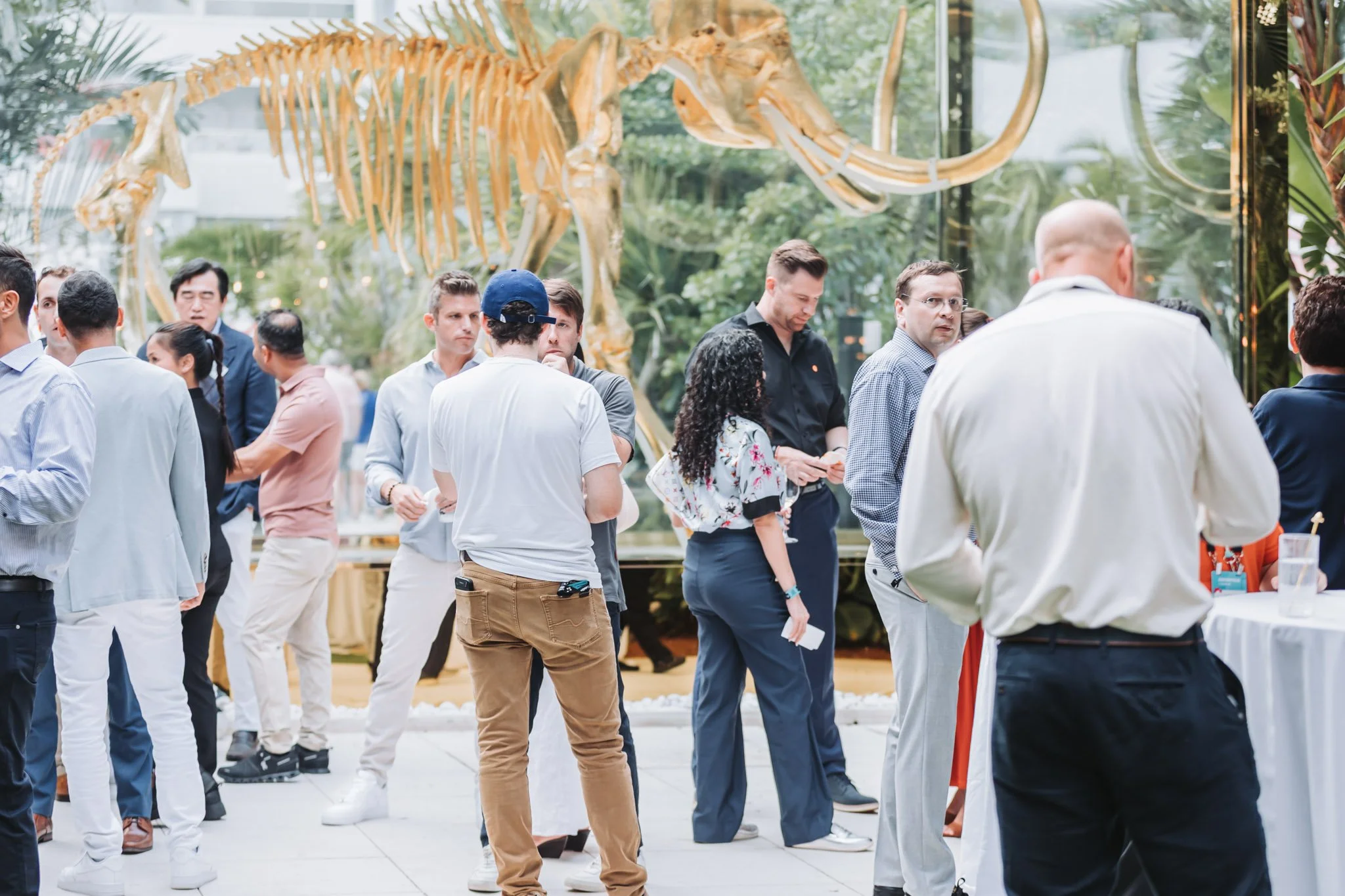
Why Marketing Teams Should Stop Rolling the Dice With Event Media Teams
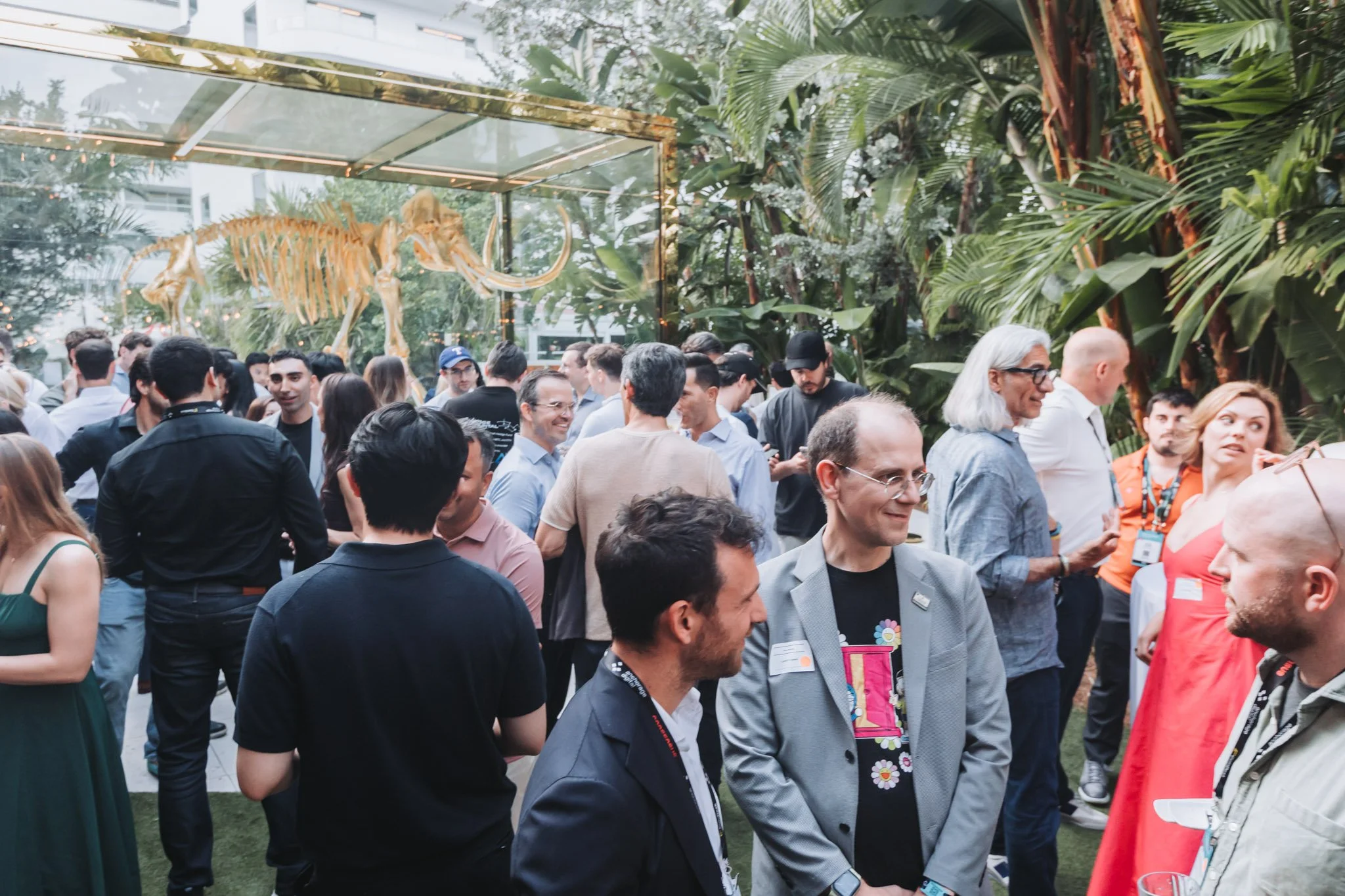
Mae Photography LLC 2026
Marketing teams put a lot of time, money, and pressure into planning a successful corporate event. Whether it is a conference, company mixer, brand activation, fundraising event, product launch, networking event, or executive panel, the goal is usually the same: create an experience that reflects well on the company and gives the marketing team useful content afterward.
The problem is that many companies still treat photography and video as the place to cut costs.
They spend months planning the event, booking the venue, coordinating speakers, managing vendors, promoting attendance, and building the brand experience. Then when it comes time to hire the media team, they choose the cheapest option.
That is where the problems usually start.
The Real Cost of Choosing the Cheapest Media Team
A lot of marketing teams and event planners have experienced this before.
They hired a friend of someone on the marketing team because it saved money.
They picked a random media company because the quote looked great.
They went with someone who said they could handle photo and video, but they never really vetted the quality of the work.
Then the event happens, and suddenly the problems become obvious.
The photos are poorly lit.
The important speakers were missed.
The crowd shots do not show the energy of the room.
The branding and signage were not captured properly.
The video does not feel professional.
The recap takes too long to receive.
The company misses the best window to post content while the event is still fresh.
Now the money saved upfront does not feel like savings anymore.
It feels like a missed opportunity.
Delayed Event Photos Can Kill Momentum
One of the biggest mistakes companies make is underestimating how important timing is.
After a corporate event, the first few days matter. That is when attendees are still engaged. That is when people are checking LinkedIn, Instagram, company newsletters, and event follow-up emails. That is when the marketing team has the strongest chance to turn the event into more visibility.
But if the photos do not arrive for two or three weeks, the moment has already passed.
By then, the audience has moved on.
The internal excitement has cooled down.
The recap post feels late.
The company loses the chance to capitalize on the momentum it already paid to create.
For marketing teams, this is not just an inconvenience. It can directly affect the impact of the event.
Poor Event Media Reflects Badly on the Company
When photos and videos look unprofessional, people do not usually blame the photographer first.
They judge the company.
They judge the brand.
They judge the event.
That is the part many companies do not think about until it happens.
If the photos are dark, blurry, awkward, or poorly composed, it makes the event look less polished than it actually was. If the video feels cheap or poorly edited, it can make a well-planned corporate event look disorganized. If key moments are missed, the marketing team has less to work with when presenting results to leadership, sponsors, partners, or future clients.
For event planners and marketing directors, this matters because the media becomes the proof of the event.
It is what gets shared online.
It is what goes into recap decks.
It is what gets sent to stakeholders.
It is what supports future sponsorships, future attendance, and future event marketing.
Bad media does not just disappoint the marketing team. It can hurt how the entire event is remembered.
Budget Matters, But So Does Risk
Of course budget matters. Every company has to manage costs. But there is a difference between being budget-conscious and gambling with the final product.
Choosing the lowest quote may feel like the smart financial decision in the beginning, but it can create bigger problems later.
A low-cost media team may not have the experience to handle fast-moving corporate events.
They may not understand what marketing teams actually need.
They may not know how to capture sponsor signage, speaker moments, audience interaction, networking, food and beverage, step-and-repeat photos, executive presence, and branded details.
They may not deliver quickly.
They may not know how to shoot for both documentation and marketing use.
They may not understand that an event gallery is not just a folder of pictures. It is a marketing asset.
That is the difference between simply hiring someone with a camera and hiring a professional corporate event media team.
Quality Gives Marketing Teams Peace of Mind
When you choose quality, you are not just paying for photos and videos.
You are paying for peace of mind.
You know the event will be covered properly.
You know the important moments will be captured.
You know the final gallery will be clean, professional, and usable.
You know the recap content can support your marketing goals.
You know you can confidently pitch future events to clients, sponsors, leadership teams, and stakeholders because you have the visuals to back it up.
That confidence matters.
A strong media team makes the marketing team look prepared, polished, and professional.
A weak media team can make even a great event look forgettable.
Event Media Should Help Your Company After the Event
A corporate event does not end when the last guest walks out.
For marketing teams, that is often when the second phase begins.
The photos and videos can be used for:
Company recap posts
LinkedIn content
Sponsor deliverables
Internal newsletters
Press releases
Future event promotions
Sales decks
Website updates
Email marketing
Recruiting content
Brand awareness campaigns
Client presentations
When captured correctly, one event can create weeks or months of usable content.
But that only happens when the media team knows what to capture and understands how the content will be used after the event.
This is why hiring the right corporate event photography and video team matters.
The Cheapest Option Can Become the Most Expensive Mistake
The cheapest option is not always bad, but it does carry more risk.
If the team is not experienced, the company may end up with content that cannot be used. If delivery is delayed, the marketing team may miss the strongest window to promote the event. If the video quality is poor, it may never get posted. If the photos do not reflect the energy of the room, the event may look smaller, less professional, or less successful than it actually was.
That is not a small problem.
That is a lost marketing opportunity.
When companies invest in corporate events, they should also invest in the media that proves the event was successful.
Hire a Corporate Event Media Team That Understands Marketing
At MAE Pictures, we understand that corporate event photography and video are not just about showing up with a camera.
They are about helping marketing teams, event planners, and businesses capture content that can actually be used.
We focus on clean, professional event photography and video that supports your brand, your message, and your post-event marketing strategy. From corporate conferences and networking events to brand activations, nonprofit events, executive panels, company mixers, and multi-day conventions, our goal is to help your team walk away with media that feels polished, intentional, and ready to use.
If your company is planning an event, do not roll the dice on the cheapest option.
Choose a media team that helps you get it right the first time.
Visit www.maepictures.com to view our work and connect with us about your next corporate event.
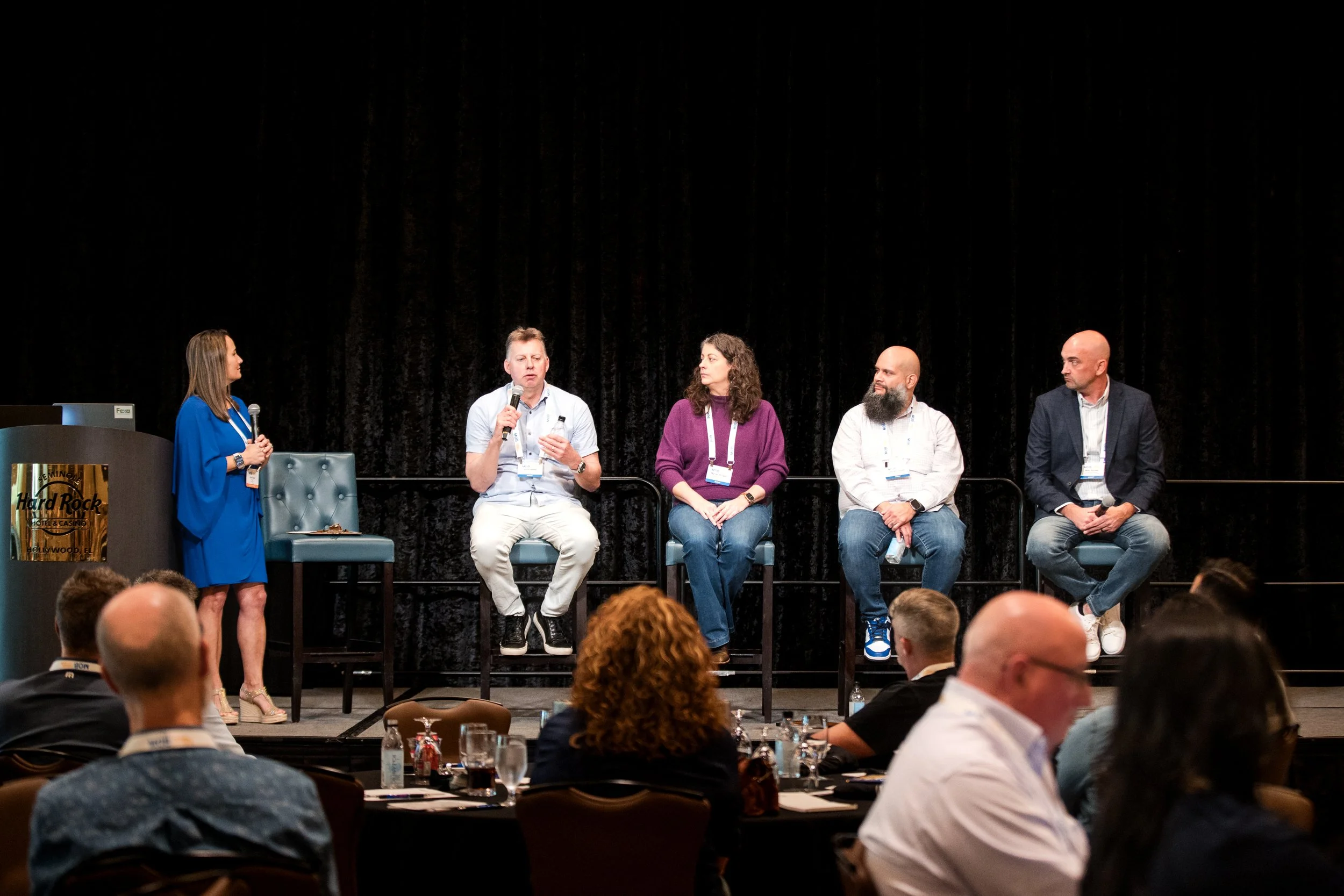
Why Event Planners Choose a Corporate Media Partner Over a Photographer for Conferences and Events
Corporate event coverage isn’t just about photos it’s about supporting planners with reliable, flexible media that aligns with their event schedule. Learn how working with a corporate media partner improves conference coverage, streamlines production, and delivers content your team can actually use.
When planning a corporate event, conference, or brand activation, one of the biggest decisions you’ll make is choosing the right media coverage.
Most people think they’re just hiring a photographer or videographer.
In reality, what you actually need is a reliable corporate event partner who understands how events work, how planners operate, and how to capture content that serves a real purpose after the event is over.
That’s exactly where we come in.
At MAE, we don’t position ourselves as a photography company.
We are your corporate event media partner.
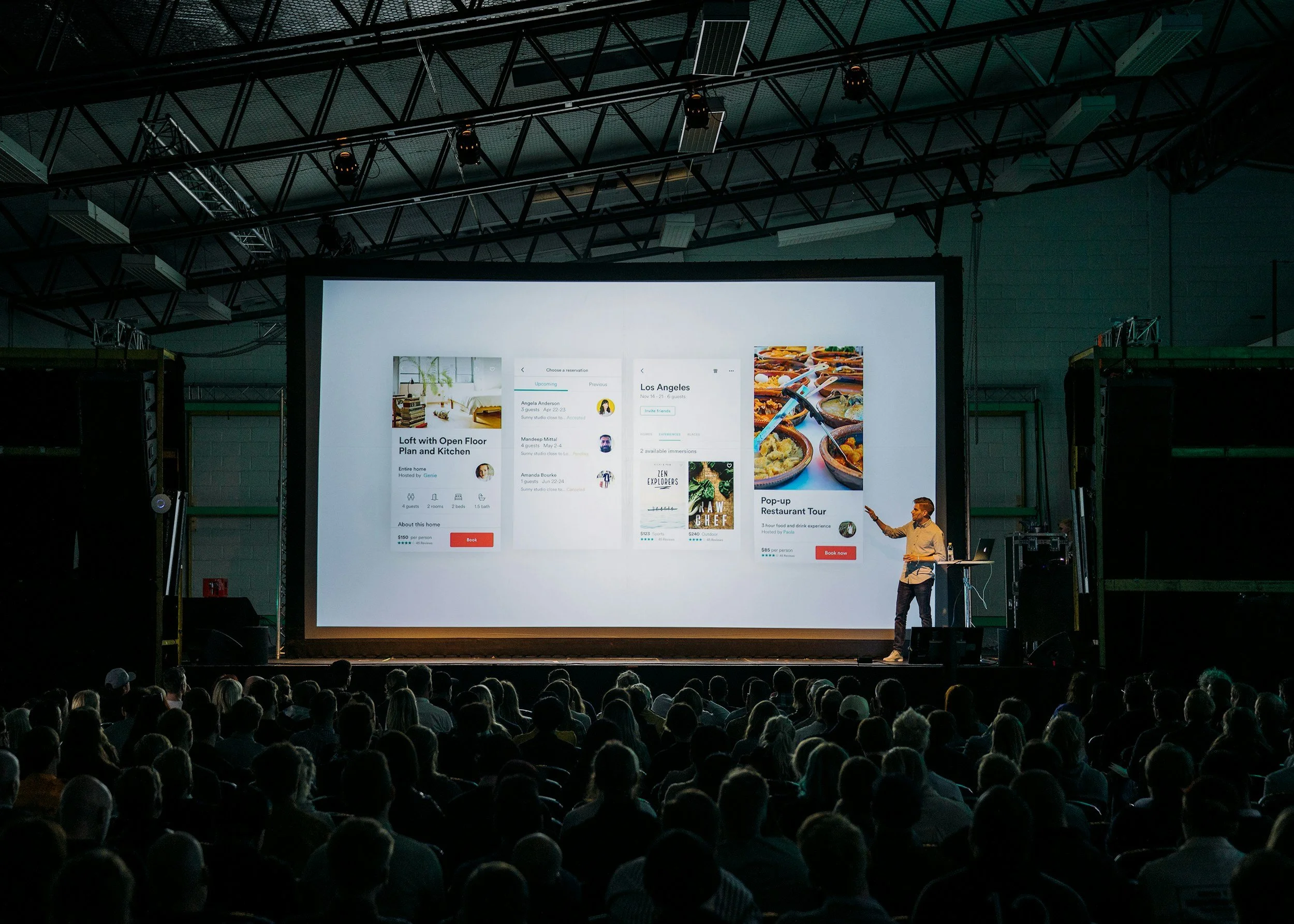
Built Around Event Planners — Not Just Cameras
We work directly with event planners, marketing directors, and production teams to make sure everything runs smoothly from a media standpoint.
That means understanding:
Your event schedule
Your key moments (keynotes, panels, networking)
Your priorities before the event even starts
Instead of showing up and “figuring it out,” we align with your team ahead of time so there are no surprises.
For planners, this is a game changer.
You don’t need to manage us.
You don’t need to micromanage coverage.
We already know how to move within your event.
Flexible Coverage That Matches Your Event — Not the Other Way Around
Corporate events don’t run like traditional shoots.
You have:
Breakout sessions
Gaps in programming
High-priority windows
Multi-day schedules
That’s why we don’t force rigid structures that don’t make sense for your event.
We build flexible coverage plans that allow you to allocate time where it actually matters most.
Whether it’s a multi-day conference in Miami, a corporate event in Orlando, or a brand activation in South Florida, we adapt to your schedule so you’re not overpaying for unnecessary downtime.
This is especially important for planners managing budgets and expectations.
Full-Service Coverage — Everything You Need, One Team
We provide full corporate event media coverage so you don’t have to juggle multiple vendors.
Our services include:
Corporate Event Photography (keynotes, networking, branded moments)
Corporate Event Videography (clean, professional coverage of your event)
Highlight Recap Videos (short-form content for marketing and social media)
On-Site Headshots (perfect for conferences and corporate teams)
On-Site Interviews (great for testimonials and internal content)
Everything is built to support your post-event marketing, not just documentation.
Fast, Reliable Delivery — Because Timing Matters
We understand that event content isn’t just for archives.
You need content:
During the event
Immediately after
Ready for social, marketing, and internal use
That’s why we focus on fast turnaround times and delivering clean, organized media that your team can actually use right away.
Why Planners Prefer Working With a Partner — Not Just a Vendor
When you hire a typical photographer, you’re hiring someone to take pictures.
When you work with us, you’re bringing in a team that understands events.
We think ahead.
We communicate clearly.
We adapt to changes.
And most importantly — we support you.
For many planners, that level of reliability is a huge relief during high-pressure events.
Corporate Event Coverage in Miami, Broward, Palm Beach — and Nationwide
We are based in South Florida and regularly support events in:
Miami
Broward County
Palm Beach County
We also travel nationwide for conferences, corporate events, and multi-day productions.
No matter where your event is, we’re built to support your team.
Let’s Make Your Next Event Run Smoother
If you’re planning a corporate event, conference, or brand activation and need a media team that actually understands how to support planners — we’re here to help.
We’ll walk you through coverage options, align with your schedule, and build a plan that makes sense for your event.
👉 Reach out here:
https://www.maepictures.com/contactus
MAE Media
Corporate Event Photography & Video Coverage
Miami | Broward | Palm Beach | Nationwide
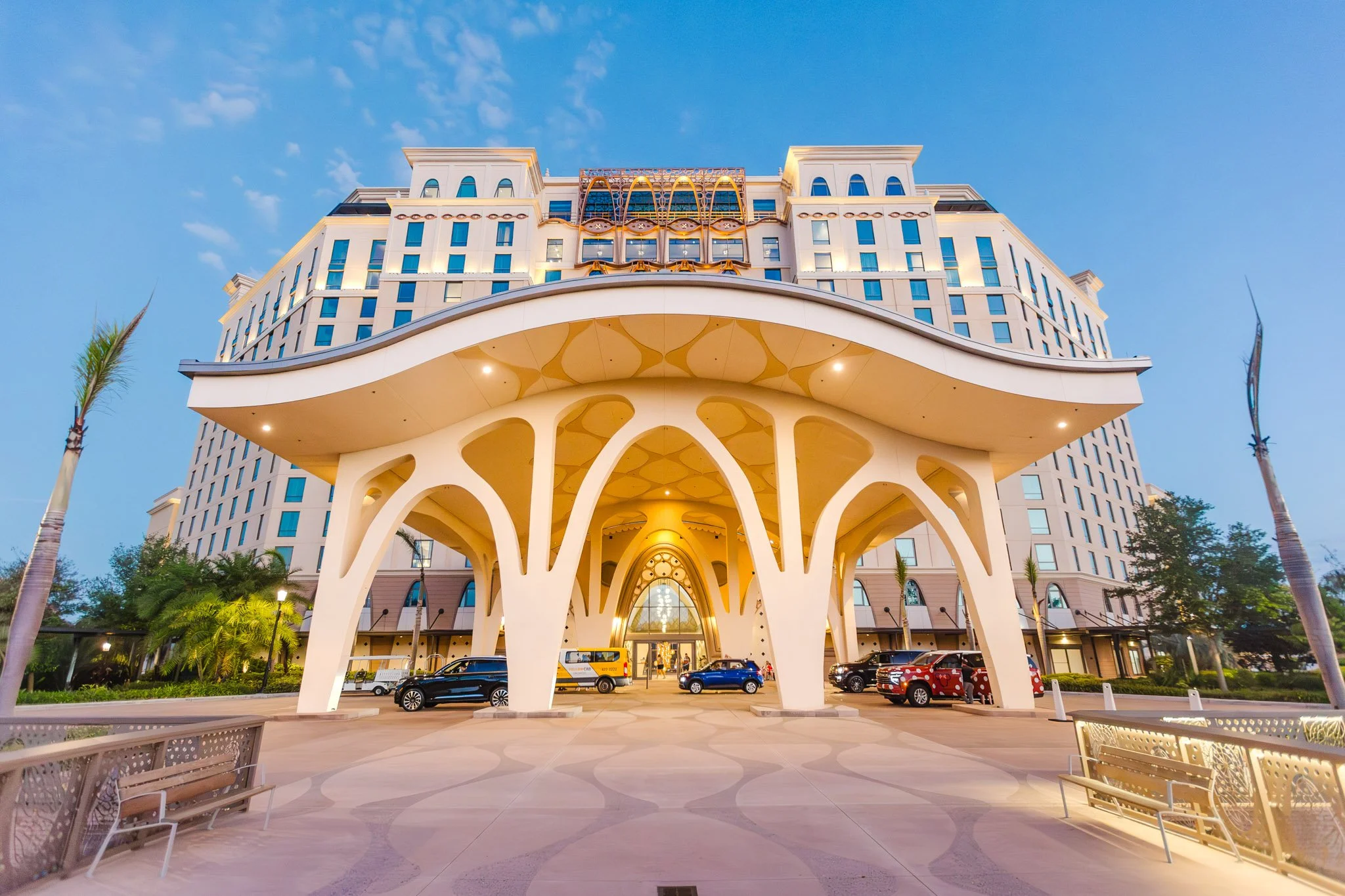
Why Coronado Springs at Disney World Is Your Next Convention Powerhouse
Planning a corporate event at Disney? This guide breaks down why Disney’s Coronado Springs Resort is one of Orlando’s top convention venues, with a deep look at its convention center, Gran Destino Tower, and overall experience. See real visuals, venue insights, and what makes it ideal for conferences, summits, and corporate gatherings—plus how to capture your event the right way.
If you’re scouting a venue that blends professionalism with a touch of magic, Coronado Springs at Disney World might be your perfect match. With a convention center offering a jaw-dropping 220,000 square feet of space—enough to host up to 6,500 attendees—this resort is built for impactful events.
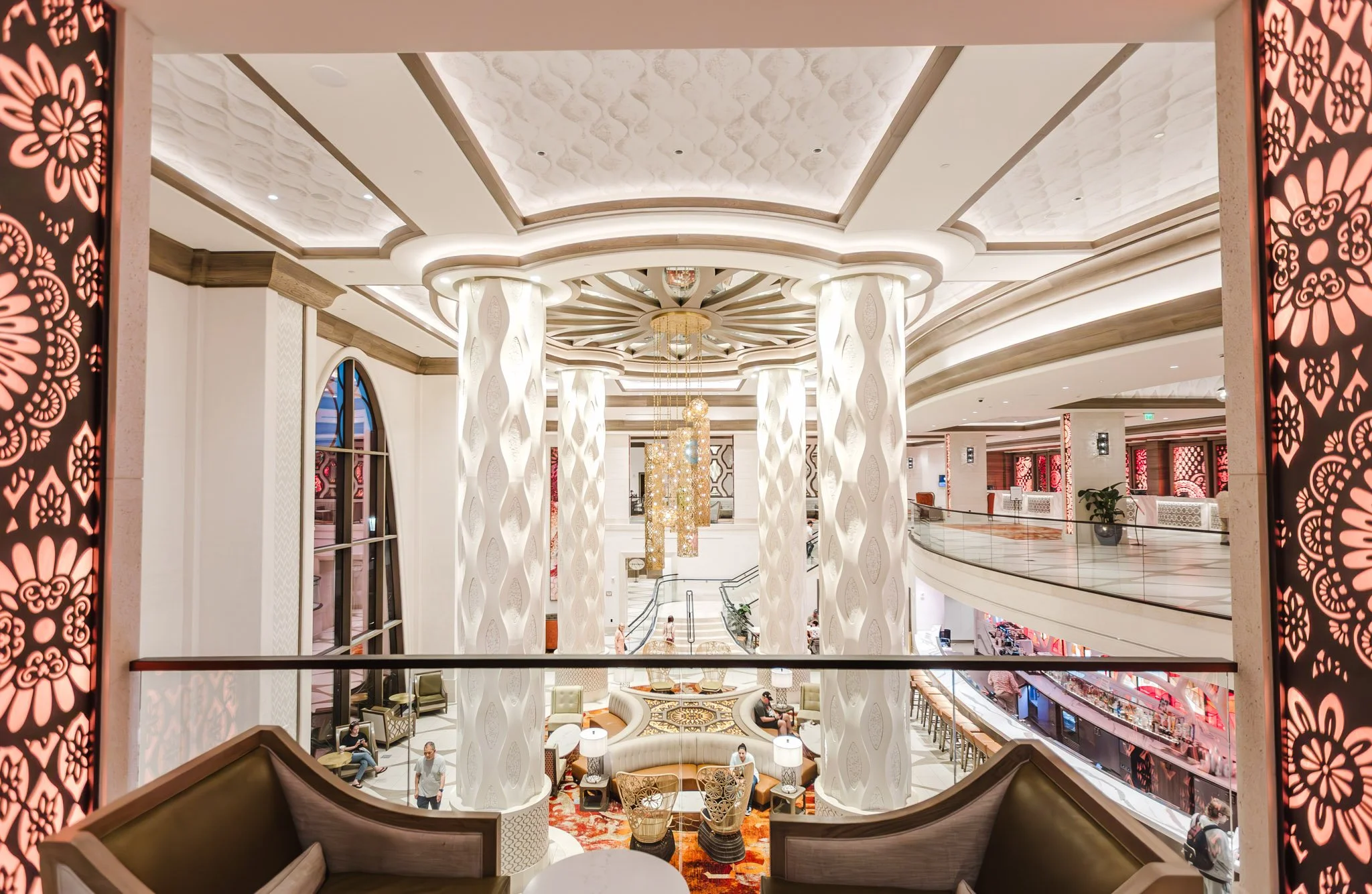
Disney Coronado Springs Orlando ,Fl Shot by Mae Media LLC

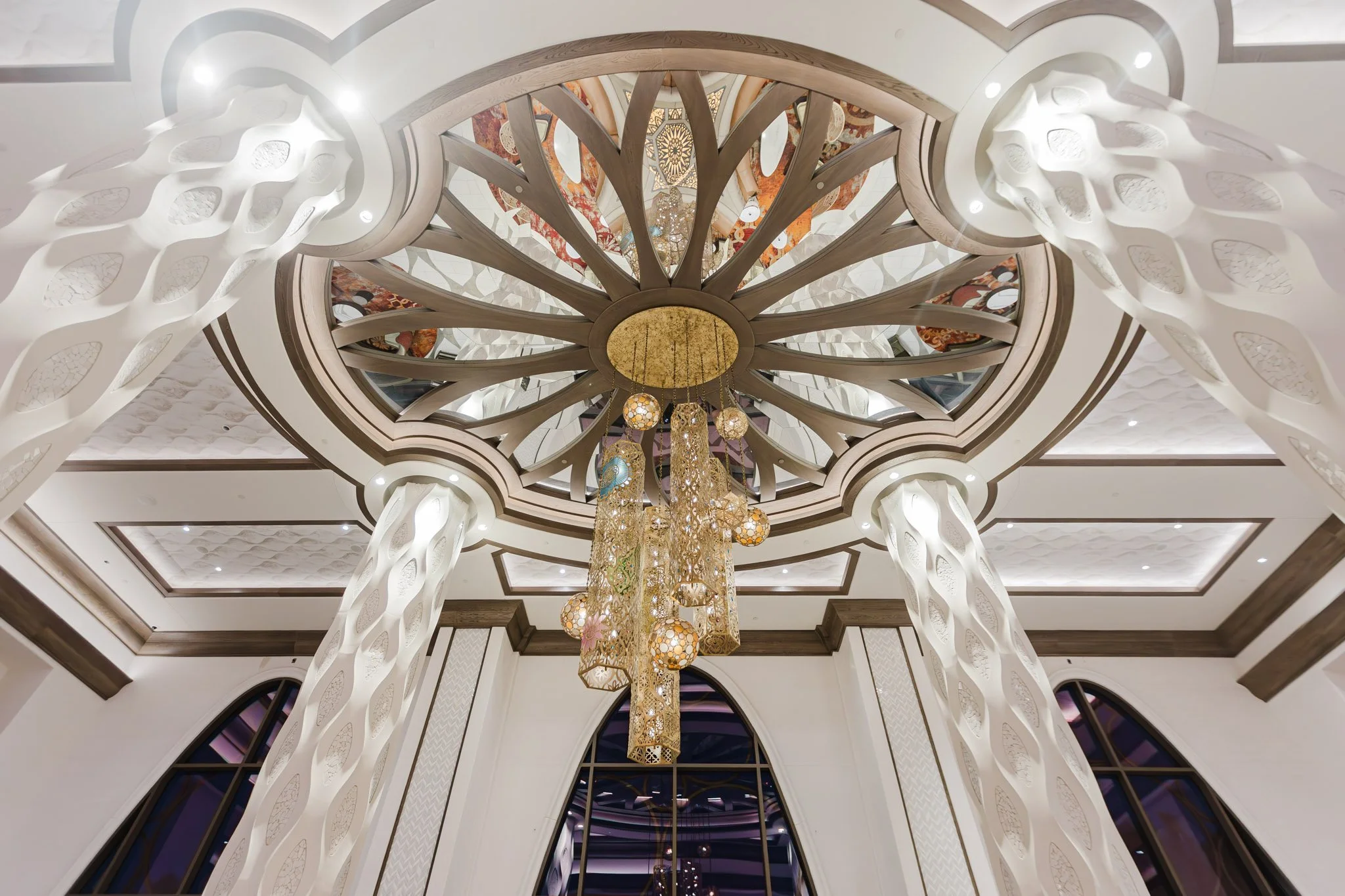
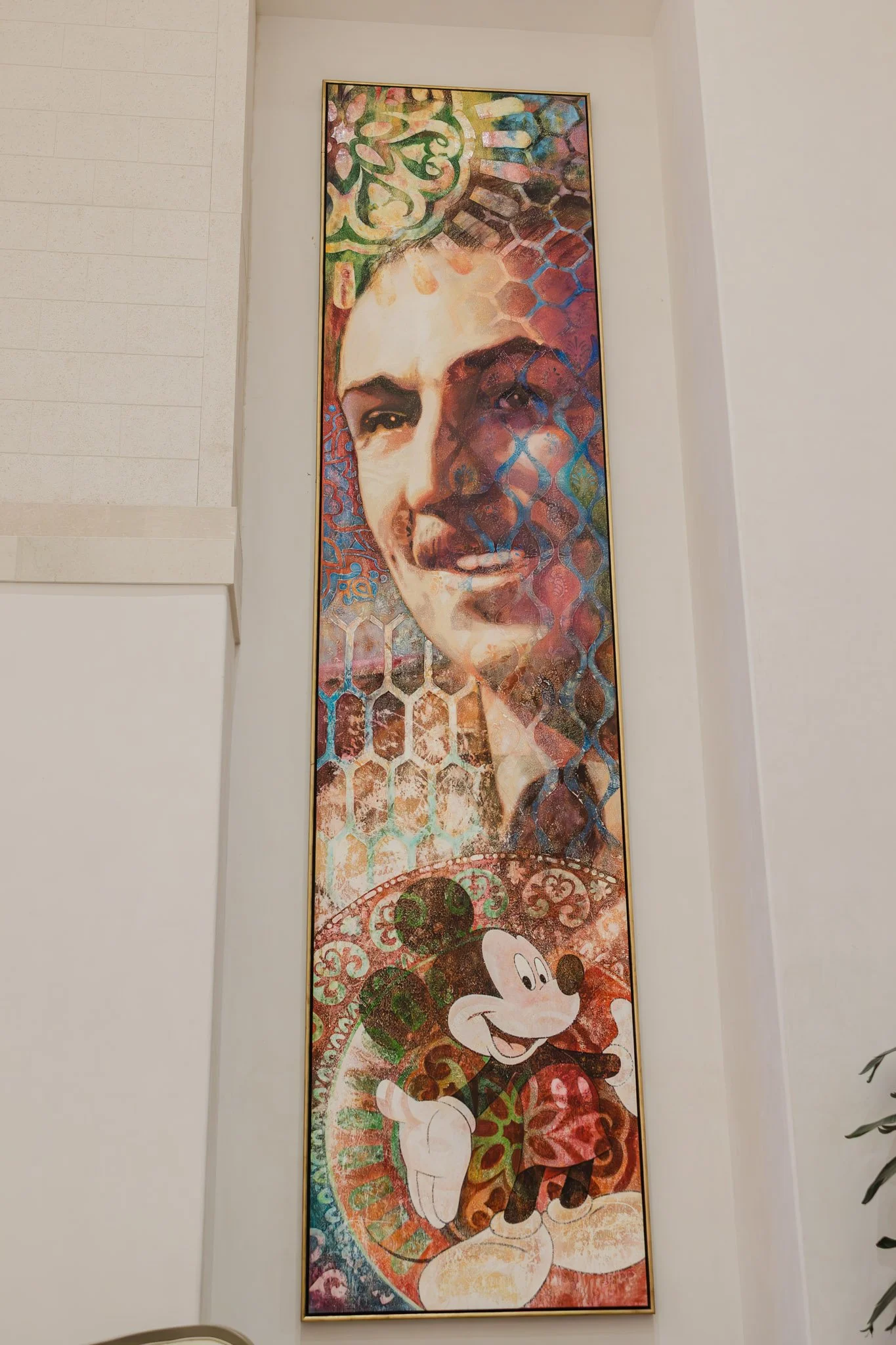
From the moment you step into the lobby, you’ll feel the blend of Spanish and Moorish design. The space is warm, vibrant, and inspiring—perfect for first impressions. The convention halls are just steps away, with cutting-edge technology and versatile layouts for breakout sessions, keynote speeches, or networking galas.
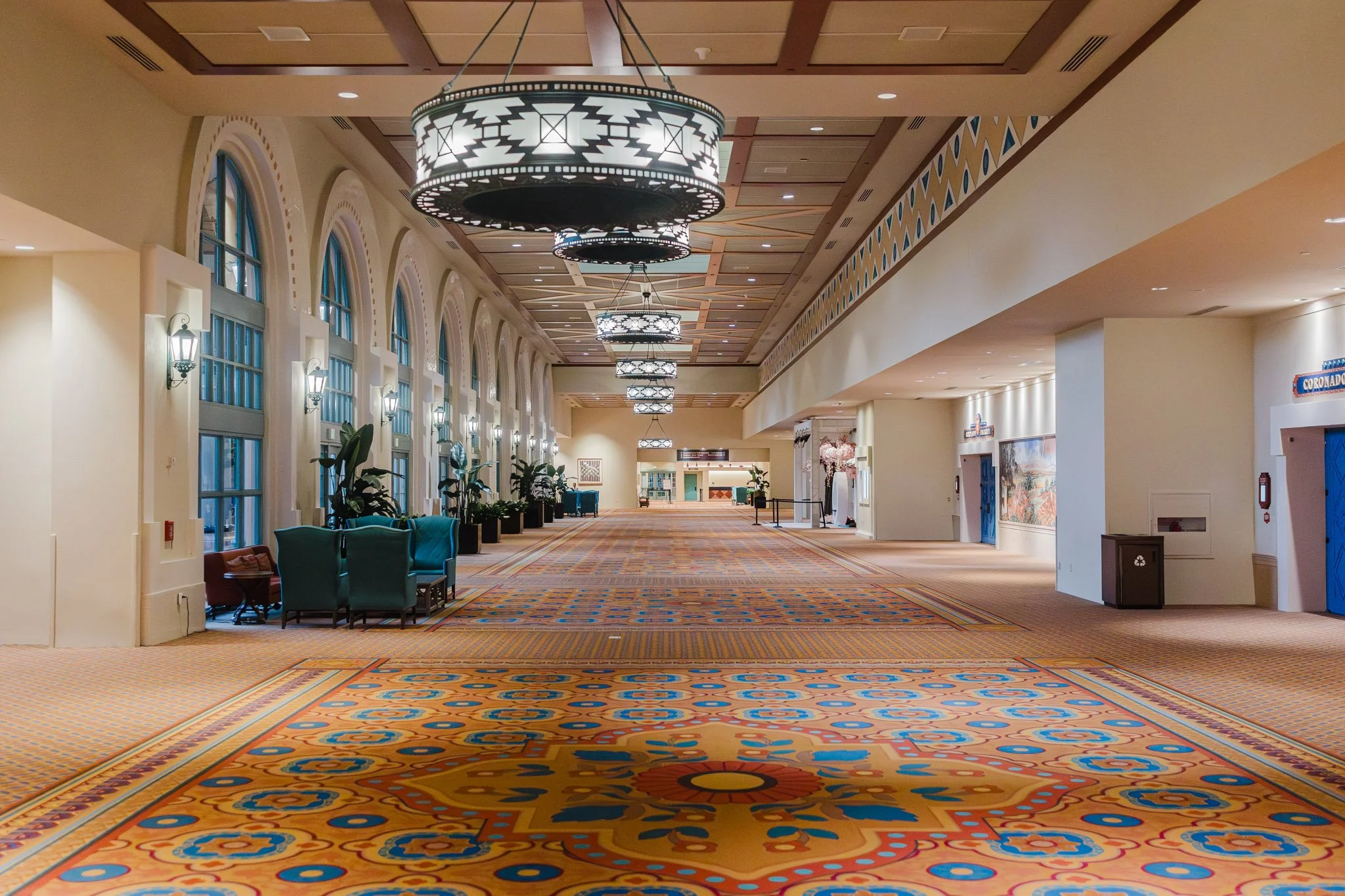
Coronado Springs Convention Center Orlando Fl, Shot by Mae Media LLC
The convention center at Disney’s Coronado Springs Resort is designed to handle large-scale corporate events with ease while still feeling organized and intentional. From spacious ballrooms for keynote sessions to well-placed breakout rooms and networking areas, everything flows in a way that makes the event experience smooth for both attendees and planners. The layout minimizes confusion, keeps foot traffic moving naturally, and creates multiple opportunities for interaction without feeling crowded. On top of that, the overall look is clean, modern, and consistent throughout, which not only elevates the in-person experience but also translates well visually in photos and video, something that becomes incredibly important when you’re using your event content for marketing and future promotions.
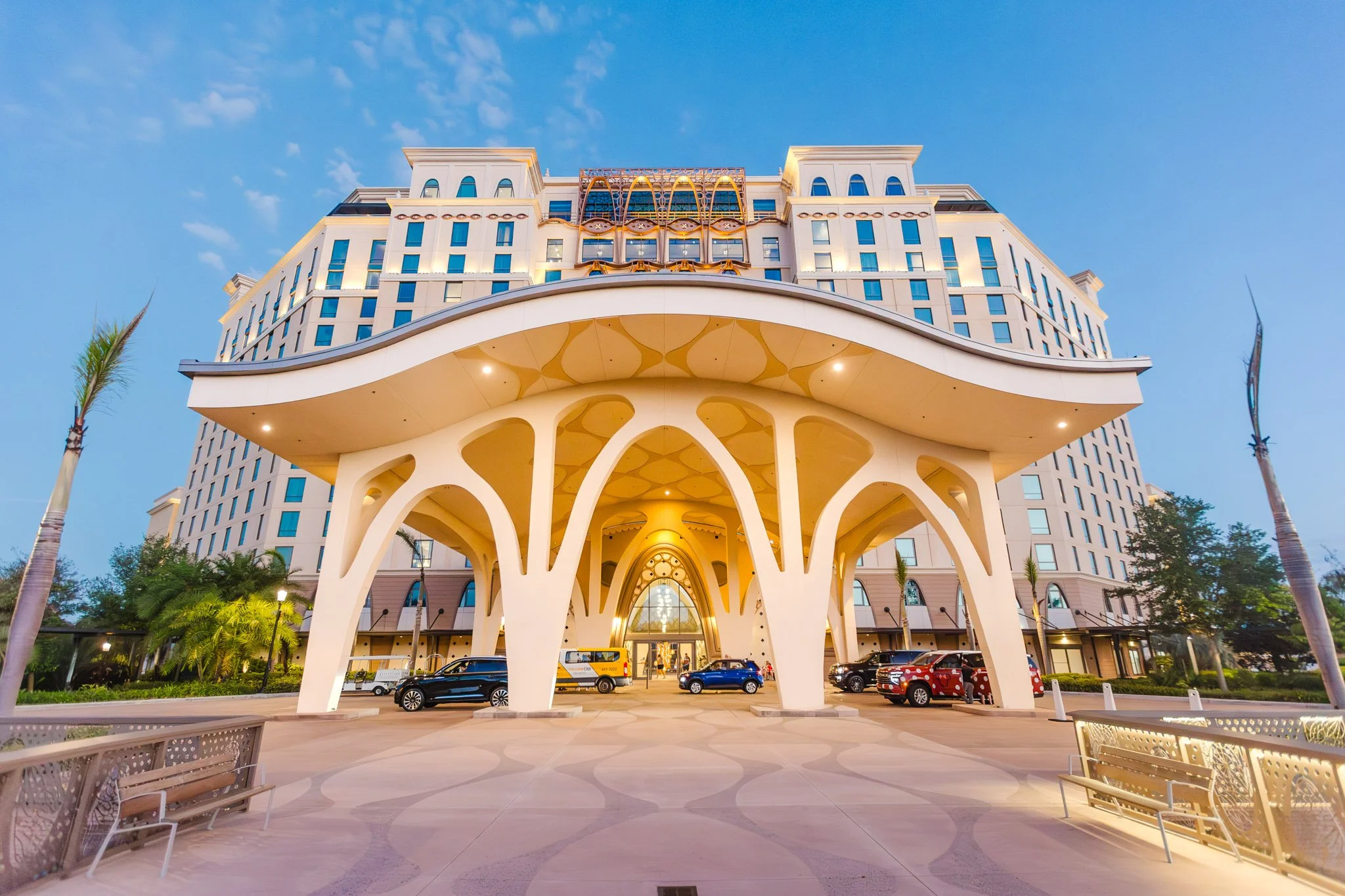
Coronado Springs Convention Center Orlando Fl, Shot by Mae Media LLC
What sets Coronado Springs apart isn’t just size—it’s the atmosphere. The Gran Destino Tower, which I captured in detail, elevates the experience. Its intricate patterns and modern, yet timeless, aesthetics offer a backdrop that’s both professional and memorable.
While you focus on your convention, your family can enjoy the pools, dining, and Disney magic just around the corner. This balance of work and leisure makes it a premier choice for conventions that cater to both professionals and their loved ones.
At the end of the day, choosing a venue like Disney’s Coronado Springs Resort isn’t just about space—it’s about the overall experience you’re creating for your attendees. Between the massive convention capacity, the elevated design of the Gran Destino Tower, and the ability to blend business with a true resort atmosphere, it’s a location that naturally enhances the quality and perception of your event.
But even the best events lose value if they’re not captured the right way.
If you’re investing in a high-level conference, summit, or corporate gathering, you need media that reflects that same level—clean, professional, and immediately usable for marketing, sponsorships, and future growth.
If that’s what you’re looking for, you can connect with me here:
👉 https://www.maepictures.com
Let’s make sure your next event isn’t just well executed—but actually documented in a way that drives results.
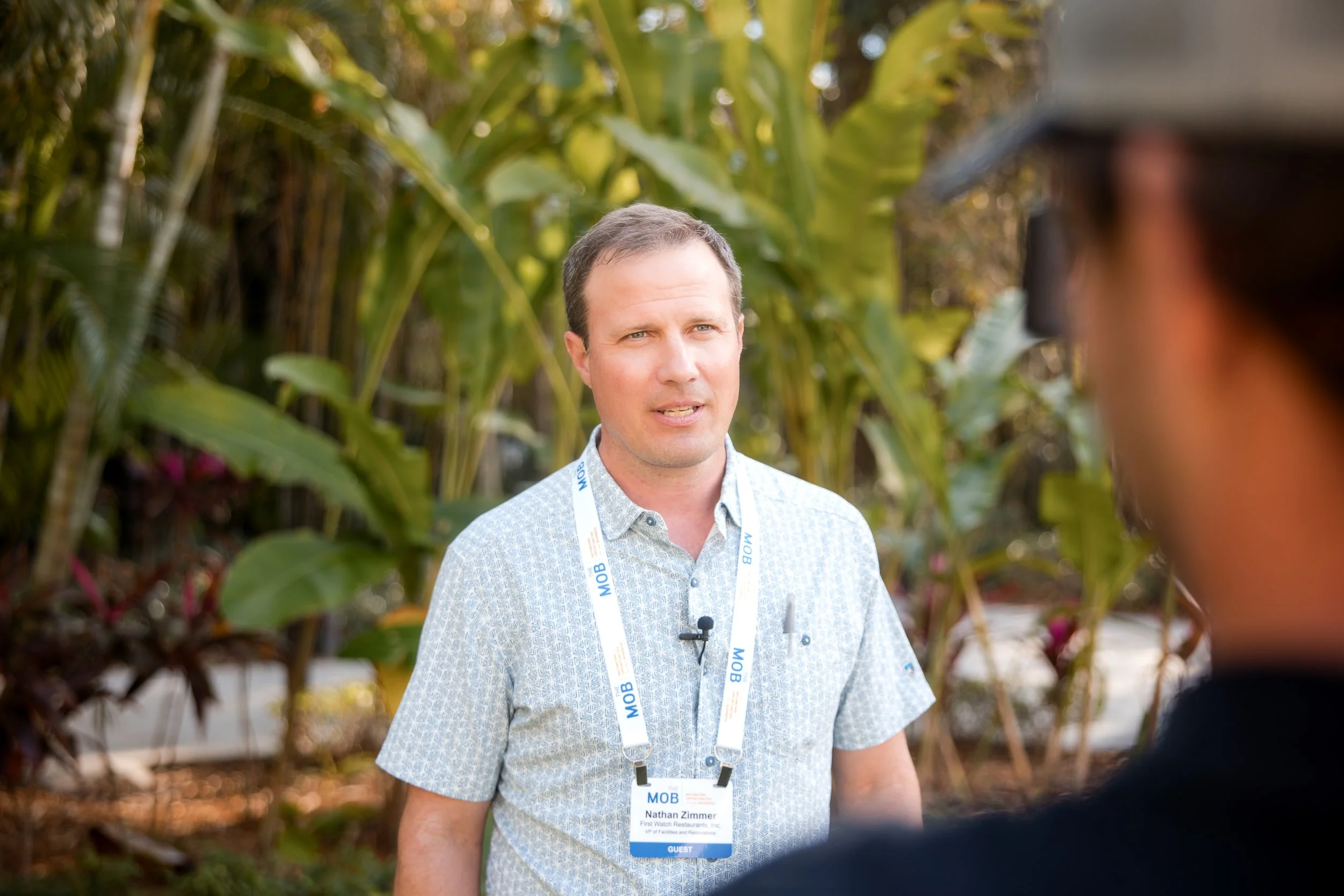
Corporate Event Photographer in Florida: Why Smart Conference Planners Book Their Photo and Video Team Early in 2026
Planning a conference or corporate event in Florida in 2026? This blog explains why booking your photo and video team early helps maximize event ROI, capture sponsor value, and create strong marketing content long after the event ends.
If you are planning a conference, convention, leadership summit, trade show, or corporate event in Florida, booking your photo and video team early is no longer optional. In 2026, event planners are under more pressure to prove ROI, support sponsors, create strong attendee experiences, and leave the company with content that can be reused long after the event is over. Cvent’s 2026 event trends reporting says this year is being shaped by intentional planning, higher expectations, and stronger focus on outcomes. PCMA’s latest Meetings Market Survey also shows planners are navigating tighter budgets, uncertainty, and more selective attendance patterns in 2026.
That matters because the days of treating conference photography and video as a last-minute checkbox are over. The companies and associations getting the most value from their events are the ones that think about media early, not at the very end when the venue, catering, and run of show are already locked in. The media team is not there just to “take pictures.” A skilled corporate event photographer and conference videographer helps document sponsor visibility, keynote speakers, branded environments, networking moments, executive presence, audience engagement, and the content marketing team will need after the event ends.
Why conference media matters more in 2026
Live events continue to have real business value because they build trust in a way digital-only touchpoints often cannot. Freeman reported that 95% of attendees trust brands more after participating in an in-person event. That is a massive number, and it should change how companies think about event coverage. If live events are helping build trust, then the visual assets captured at those events matter too. The photos and videos become proof of energy, legitimacy, participation, sponsor activation, and brand experience.
At the same time, marketing teams are investing heavily in content channels that rely on strong visual assets. HubSpot’s 2026 marketing data says website, blog, and SEO remain the number one ROI-generating channel for marketers, and blog posts continue to perform especially well for small businesses. HubSpot also reports that B2B brands plan to increase spend in websites, blog content, SEO, content marketing, and video. That means a well-covered conference is not just an event memory. It is a source of content for your website, LinkedIn, email campaigns, sales collateral, sponsor decks, recruitment efforts, and future event promotion.
What happens when planners wait too long to book a conference photographer or videographer
This is where a lot of companies lose value.
When a corporate event photographer or videographer gets brought in late, the coverage often becomes reactive instead of strategic. There is less time to understand the agenda, identify priority people, coordinate with marketing, prepare for sponsor deliverables, map out interview windows, or plan for social-first clips and recap edits. The result is usually the same: decent images maybe, but not a complete visual strategy.
Late booking can create problems like:
missed keynote entrances and branded stage moments
weak sponsor documentation
rushed executive portraits or headshots
no clean plan for testimonials or interview clips
poor alignment with social media and post-event marketing deadlines
less time for the media team to scout lighting, room setup, and branding opportunities
In a year where Cvent is emphasizing ROI and intentionality, and PCMA is reporting that attendance and event outcomes are under closer scrutiny, that is a preventable mistake.
Why booking early gives conference planners a real advantage
When you book your event photography and video team early, the event gets better coverage because the team can actually prepare for what matters.
A strong conference media team can help you:
1. Plan around the moments that matter most
This includes keynote speakers, awards, networking, sponsor activations, VIP arrivals, executive interactions, panel discussions, and attendee engagement. Instead of guessing on-site, the team already knows what has to be captured.
2. Support your marketing team after the event
Your company likely needs more than a gallery of random photos. It needs usable content. That includes website banners, LinkedIn posts, recap videos, vertical reels, speaker highlights, sponsor proof-of-performance assets, and internal communications content. HubSpot’s 2026 data supports this approach because blogs, SEO, and video remain core ROI channels.
3. Make sponsors happier
Sponsors want proof. They want to see booth traffic, logos, branded installations, speaking slots, networking activity, and activation engagement. When media is planned properly, those assets are easier to deliver.
4. Make leadership look prepared
Executives care about perception. Early planning means clean coverage of panels, speeches, networking, branded messaging, and the overall professionalism of the event. That helps the planner look organized and helps leadership justify the investment.
5. Extend the life of the conference
One conference can produce months of marketing content when captured properly. That is why event media should be viewed as an asset generator, not just an expense.
Corporate event photography is no longer just documentation
This is the shift many companies still have not fully caught up with.
A corporate event photographer in Miami, Fort Lauderdale, Palm Beach, Orlando, Tampa, or anywhere in Florida is not just there to capture who attended. The right team is there to create business assets. Those assets can help with:
future event promotion
sponsor recaps
internal team updates
recruiting and employer branding
website content
case studies
speaker promotion
social media campaigns
next-day media for ongoing conference sessions
That is especially important now because event content itself has become part of the experience. Cvent’s 2026 reporting highlights that content remains one of the constants defining exceptional events, even as audience expectations and planning strategy continue to shift.
What smart planners are doing differently in 2026
The strongest conference planners are building their media plan early and treating photo and video as part of the event strategy, not an afterthought.
They are asking the right questions before event day:
What moments matter most to leadership?
What sponsor deliverables are required?
Do we need same-day or next-day content?
Are we capturing interviews or testimonials?
Do we need both horizontal and vertical content?
Which moments will be used for LinkedIn and website marketing after the event?
Are headshots or executive portraits needed while everyone is on site?
That approach is smarter because it aligns the event with actual business needs. In 2026, the pressure is not just to host an event. It is to make the event work harder.
Why this matters for Florida conferences and conventions
Florida remains one of the busiest states for conventions, trade shows, brand activations, leadership meetings, hospitality events, and corporate gatherings. Whether your event is in Miami, Broward, Palm Beach, Orlando, Tampa, or beyond, there is a lot of competition for attention before, during, and after the event.
That means your media team needs to do more than show up with a camera. They need to understand conference flow, sponsor priorities, executive presence, branding, and fast-turn content demands. If they do not, the event may still happen, but the company loses a big portion of the value it could have taken from it.
Final takeaway
If you are planning a conference, convention, summit, trade show, corporate dinner, or executive event in 2026, do not make the mistake of booking your photo and video coverage at the last minute.
The companies getting the strongest results today are the ones treating event media like a strategic part of the event itself. The photos and videos are not just keepsakes. They are brand assets, sponsor assets, marketing assets, and proof of value.
Booking early gives your team time to think, coordinate, prepare, and capture the event in a way that continues working for your company long after the ballroom clears out.
Need a corporate event photographer or conference videographer in Florida?
MAE Media Group provides corporate event photography and video coverage for conferences, conventions, executive events, networking events, brand activations, trade shows, and business gatherings in Miami, Fort Lauderdale, Broward County, Palm Beach, Orlando, Tampa, and nationwide.
If your team wants polished event coverage, strategic planning, and content that actually supports your marketing after the event ends, reach out now through our contact page.
MAE Media Group
Website: www.maepictures.com
Email: info@maepics.com
Phone: 954-397-0670
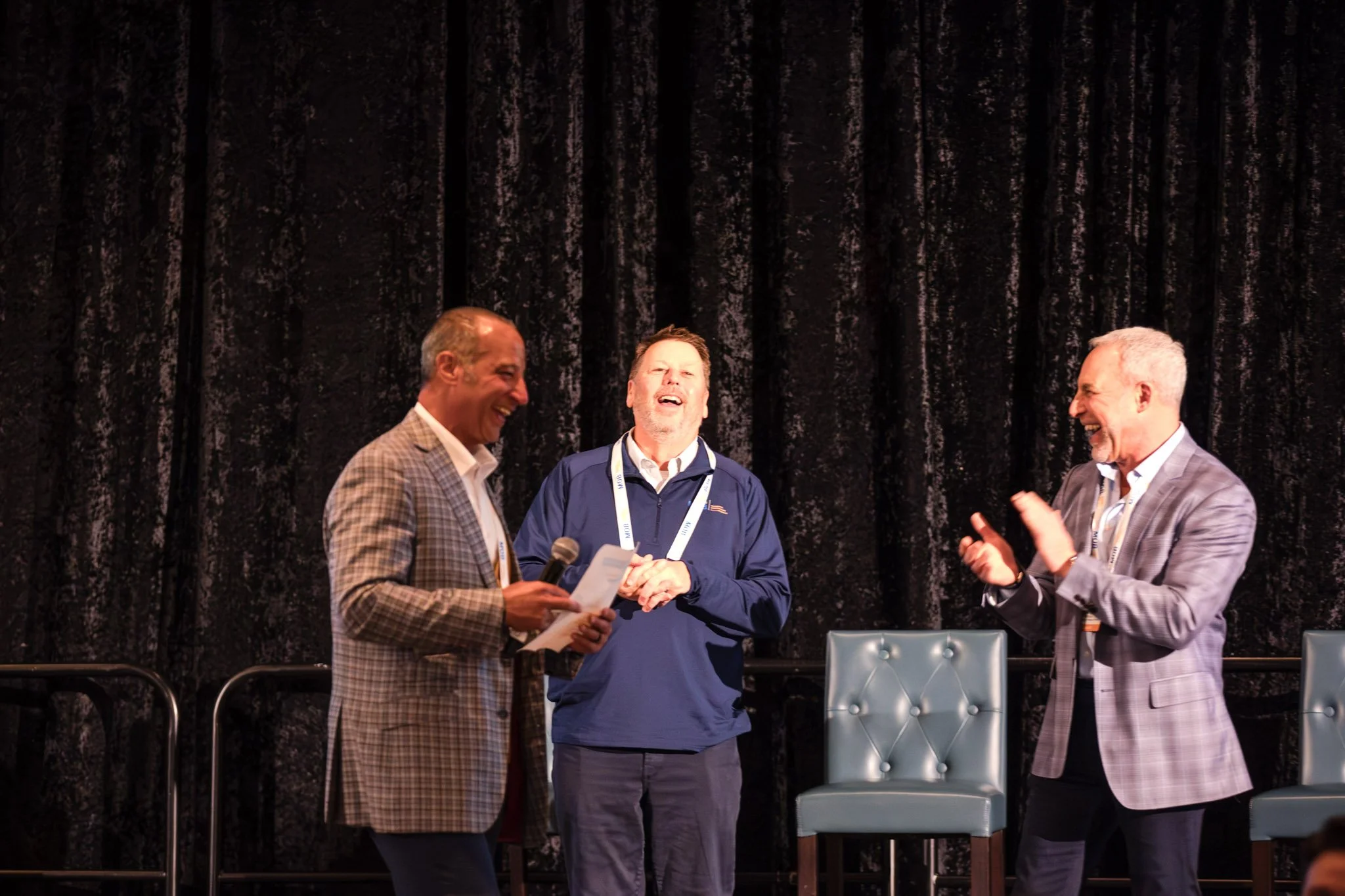
Why Professional Corporate Event Photography and Video Coverage Matters for Conferences and Summits
Corporate events and conferences require months of planning and significant investment, yet many organizations underestimate the importance of professional media coverage. High-quality photography and video allow companies to turn their events into powerful marketing content used for social media, sponsorship promotion, and future event promotion. In this article, we explain why professional corporate event media coverage is essential and how MAE Media helps organizations capture the full impact of their events.
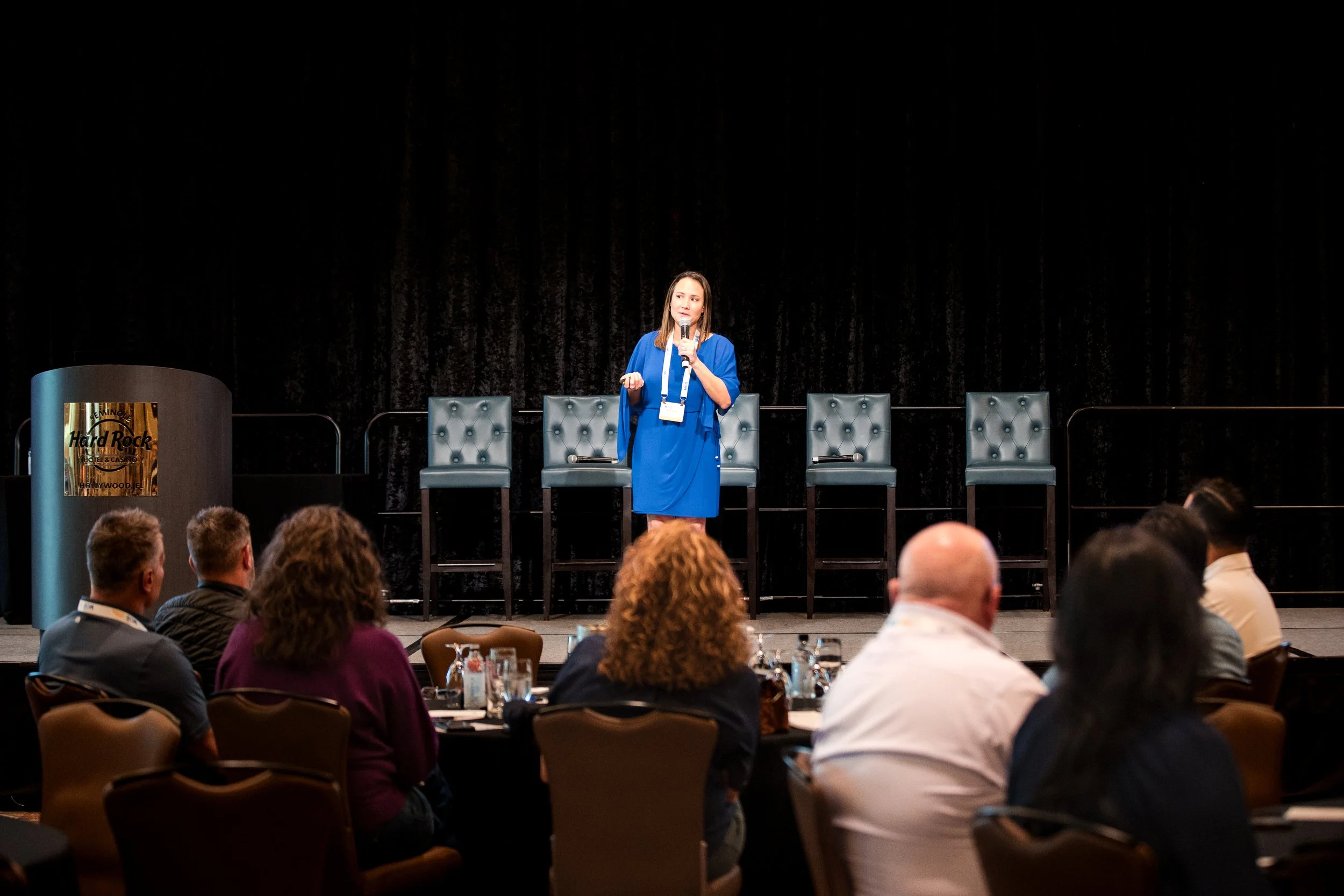
keynote speaker shot by MAE Media , South Florida 2026
Corporate conferences, annual summits, and business events require months of planning and a significant investment. Companies spend heavily on venues, keynote speakers, branding, logistics, and guest experience. But one critical element that is often underestimated is professional media coverage.
Without high-quality photography and video, the impact of a corporate event often disappears the moment the event ends.
Professional media coverage ensures that your event continues to deliver value long after the last session concludes.
Corporate Events Should Produce Content, Not Just Memories
Today, corporate events are more than just in-person experiences. They are major content creation opportunities for marketing teams.
The photography and video captured during an event become valuable marketing assets that can be used across multiple platforms, including:
• LinkedIn and social media campaigns
• company websites and landing pages
• press releases and announcements
• sponsor reports and investor communications
• recruitment and employer branding
• promotional campaigns for future conferences
Many companies rely on event photos and highlight videos for months of marketing content after a single event.
This is why professional event media coverage is becoming an essential part of modern event planning.
Why Professional Event Media Coverage Makes a Difference
While phones and internal teams can capture a few moments, they rarely deliver the consistency, storytelling, and production quality required for professional marketing use.
A professional corporate media team focuses on capturing the full story of the event, including:
• keynote speakers and stage presentations
• panel discussions and breakout sessions
• audience engagement and networking moments
• sponsor activations and branded experiences
• behind-the-scenes moments
• leadership interviews and testimonials
• highlight footage that tells the story of the event
The goal is not simply to document the event, but to create visual content that reflects the brand professionally and can be used immediately for marketing and communications.
Turning One Event Into Months of Marketing Content
One of the biggest advantages of professional media coverage is the ability to transform a single event into ongoing marketing assets.
A well-produced event highlight video or recap gallery can help organizations:
• promote next year’s conference
• attract sponsors and partners
• showcase brand authority in their industry
• increase social media engagement
• provide valuable internal content for teams and stakeholders
For many companies, the media produced from a single conference becomes the primary promotional content used to sell the next event.
Corporate Event Media Coverage With MAE Media
At MAE Media, we specialize in corporate event photography and video production for conferences, conventions, and business events.
Our team works directly with event planners, marketing teams, and organizations to ensure every important moment is captured professionally and delivered in a format that can immediately be used for marketing and communications.
Our services include:
• Corporate event photography
• Conference and convention media coverage
• Event highlight and recap videos
• On-site video interviews with speakers and attendees
• Professional headshots during events
• Brand activation and experiential marketing coverage
• Multi-day conference photography and video production
We understand that corporate events are more than gatherings. They are opportunities to create powerful content that strengthens a brand and extends the reach of the event far beyond the room.
Make Your Next Event Work Beyond the Event Itself
If your company or organization is planning a conference, corporate summit, or business event, professional media coverage should be part of the strategy from the start.
The right photography and video team ensures the energy, scale, and impact of your event are captured in a way that supports your marketing goals and helps your organization continue telling its story long after the event ends.
Work With MAE Media for Your Next Corporate Event
MAE Media provides professional corporate event photography and video coverage for conferences, conventions, and brand activations throughout Florida and nationwide.
If you're planning an upcoming conference or corporate event and need professional media coverage, we’d love to connect.
Learn more or request a quote:
https://www.maepictures.com/contactus
MAE Media
Corporate Event Photography & Video Production
Website: www.maepictures.com
Email: info@maepics.com
Phone: 954-397-0670
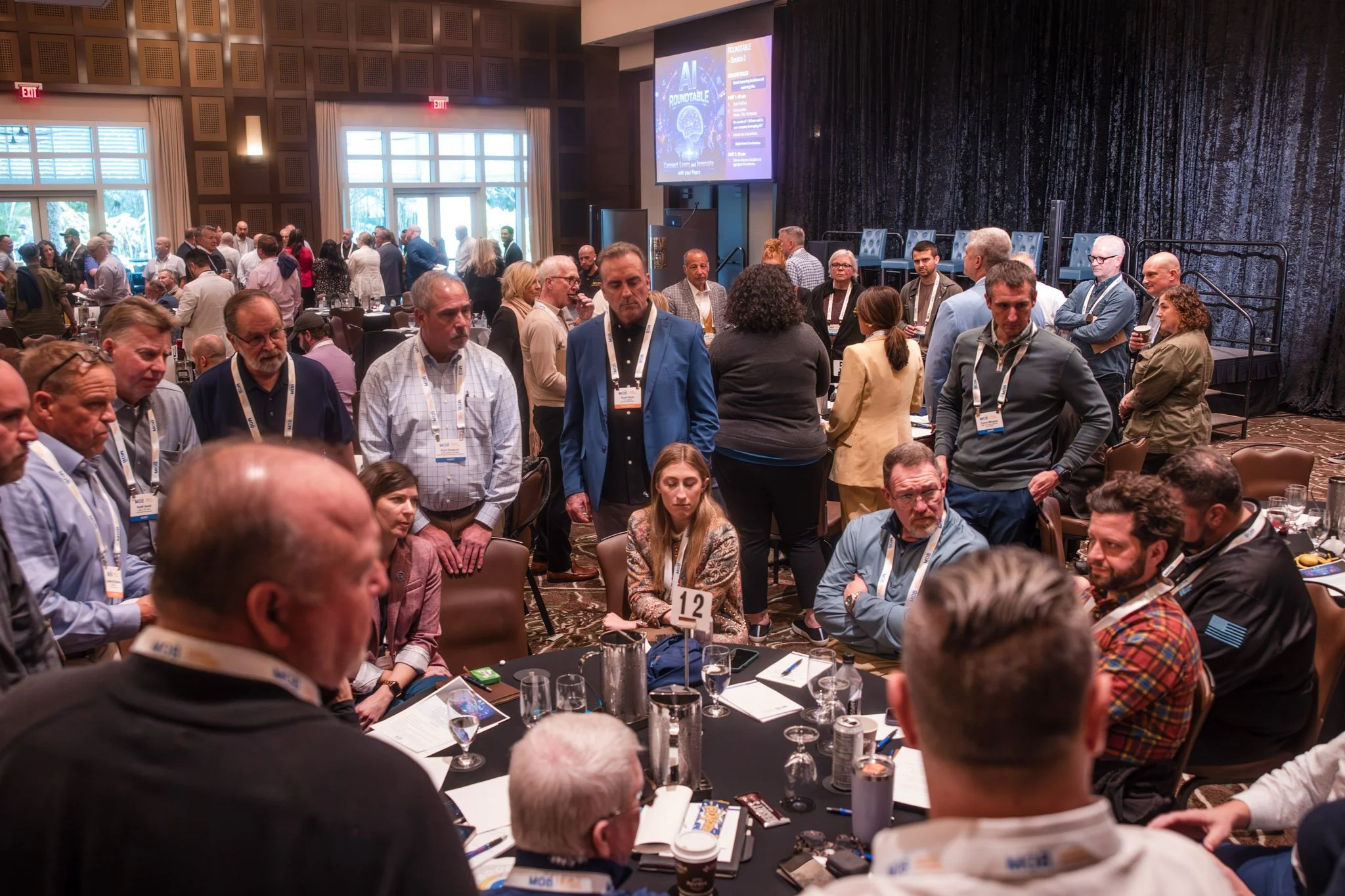
How Much Does Corporate Event Photography Cost in Florida in 2026?
Planning a corporate conference in Orlando, Miami, Tampa, or Palm Beach? This 2026 pricing guide breaks down what corporate event photography costs in Florida, the difference between gig photographers and professionals, and what event planners should realistically budget for reliable coverage
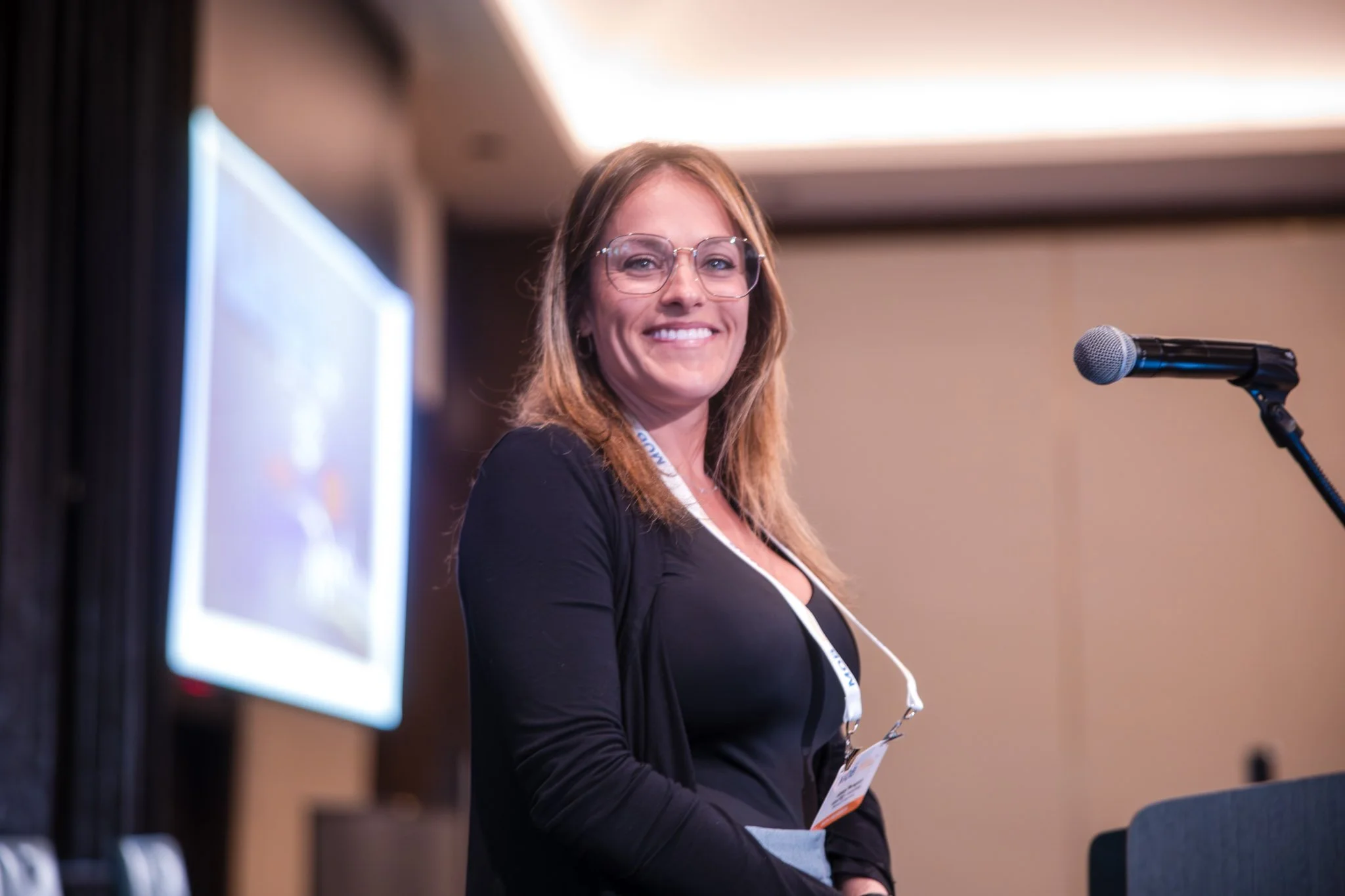
Keynote Speaker, MAE Photography LLC Hollywood,FL
If you're planning a corporate conference in Orlando, a networking summit in Miami, or a multi-day convention in Tampa or Palm Beach, one of the first questions that comes up is:
What does professional corporate event photography cost in Florida in 2026?
Here’s the realistic answer.
In 2026, corporate event photography in Florida typically ranges between:
$200–$600 per hour
$1,600–$3,500+ for full-day conference coverage
$4,000–$8,000+ per day for multi-day events with photo and video
These numbers are based on 2024–2025 industry benchmarks adjusted for 2026 market conditions across major Florida markets.
Let’s break down why.
What the 2024–2025 Market Data Showed
In 2024 and 2025, professional corporate event photography across the U.S. consistently fell within:
$150–$500 per hour
$1,400–$3,000 for full-day corporate coverage
These ranges reflected growing demand for:
Next-day content delivery
Social media-ready event images
Sponsor-focused documentation
Hybrid photography and video packages
Multi-room breakout coverage
By late 2025, many experienced corporate photographers in high-demand cities like Orlando and Miami were pricing at the upper end of those ranges.
Why 2026 Pricing Is Higher
1. Corporate Events Now Require Marketing Assets — Not Just Photos
In 2026, event coverage is expected to produce:
LinkedIn-ready content within 24 hours
Sponsor recap galleries
Press and PR images
Website refresh assets
Social media highlights
Corporate event photography is now part of the marketing strategy.
That changes the skill level and infrastructure required.
2. Professional Operating Costs Increased
Between 2024 and 2026:
Equipment costs rose
Software subscriptions increased
Insurance premiums climbed
Travel and hotel costs in Orlando convention properties and Miami increased
Professional photographers carry:
Liability insurance
Backup camera bodies
Redundant storage systems
Structured editing workflows
Gig workers typically do not.
That operational difference directly impacts pricing.
3. Faster Turnaround Is Expected
In 2024, delivery within 1–2 weeks was standard.
In 2026:
Next-day delivery is common
Same-day highlight photos are requested
Marketing teams expect assets immediately
Fast turnaround requires infrastructure — not just a camera.
Gig Photographer vs Professional Corporate Event Photographer
This is where most confusion happens.
Gig Photographer ($75–$150 per hour typical)
Often:
Part-time shooter
Limited conference experience
Basic lighting
No backup systems
Undefined delivery timeline
Minimal editing consistency
What you're paying for:
Someone present with a camera.
What you may not get:
Sponsor visibility captured properly
Multi-room coordination
Crisis adaptability
Marketing-ready image formatting
Structured communication
Lower price means higher risk.
For small informal gatherings, that may work.
For conventions at venues like Gaylord Palms, Rosen Shingle Creek, or Miami Beach Convention Center — risk tolerance should be lower.
Professional Corporate Event Photographer ($250–$600 per hour in 2026)
What you’re investing in:
Pre-event planning with your team
Run-of-show alignment
AV team coordination
Backup gear redundancy
Controlled lighting solutions
Professional color correction
Defined delivery timeline
Commercial usage clarity
Insured operation
What you gain:
Predictability. Consistency. Peace of mind.
And for corporate planners, peace of mind protects your reputation.
If keynote coverage fails, sponsor signage is missed, or recap assets aren’t usable — the cost of failure exceeds the savings.
What Should You Budget in Florida in 2026?
For Orlando, Miami, Tampa, and Palm Beach corporate events:
Small event (2–3 hours):
$600–$1,200
Half-day corporate event:
$1,200–$2,200
Full-day conference coverage:
$1,800–$3,500+
Multi-day convention with photo and video:
$4,000–$8,000+ per day depending on scope
Anything dramatically lower typically reflects:
Limited experience
Minimal editing workflow
Lack of insurance
No backup systems
Corporate Event Photography Is a Risk Management Decision
The real question is not:
“What is the cheapest option?”
It’s:
“What level of reliability does our event require?”
If sponsors, executives, media, or marketing teams are involved, professional coverage becomes strategic.
Corporate event photography in 2026 is not a luxury.
It is brand protection and marketing infrastructure.
Work With a Corporate Media Team That Executes
At MAE Media, we specialize in corporate conferences, conventions, executive events, and sponsor activations across Florida and nationwide.
We’re not just documenting your event.
We’re capturing strategic marketing assets your team can use immediately.
That includes:
Coordinating with your AV and production team
Capturing sponsor visibility intentionally
Managing multi-room coverage efficiently
Delivering next-day galleries when required
Providing marketing-ready content optimized for LinkedIn, web, and press
If your event requires professionalism, structure, and consistent execution, we’re ready to support it.
View our corporate portfolio or request a custom proposal here:
MAE Media
Email: info@maepics.com
Phone: 954-397-0670
Let’s make sure your event content works as hard as your team does.
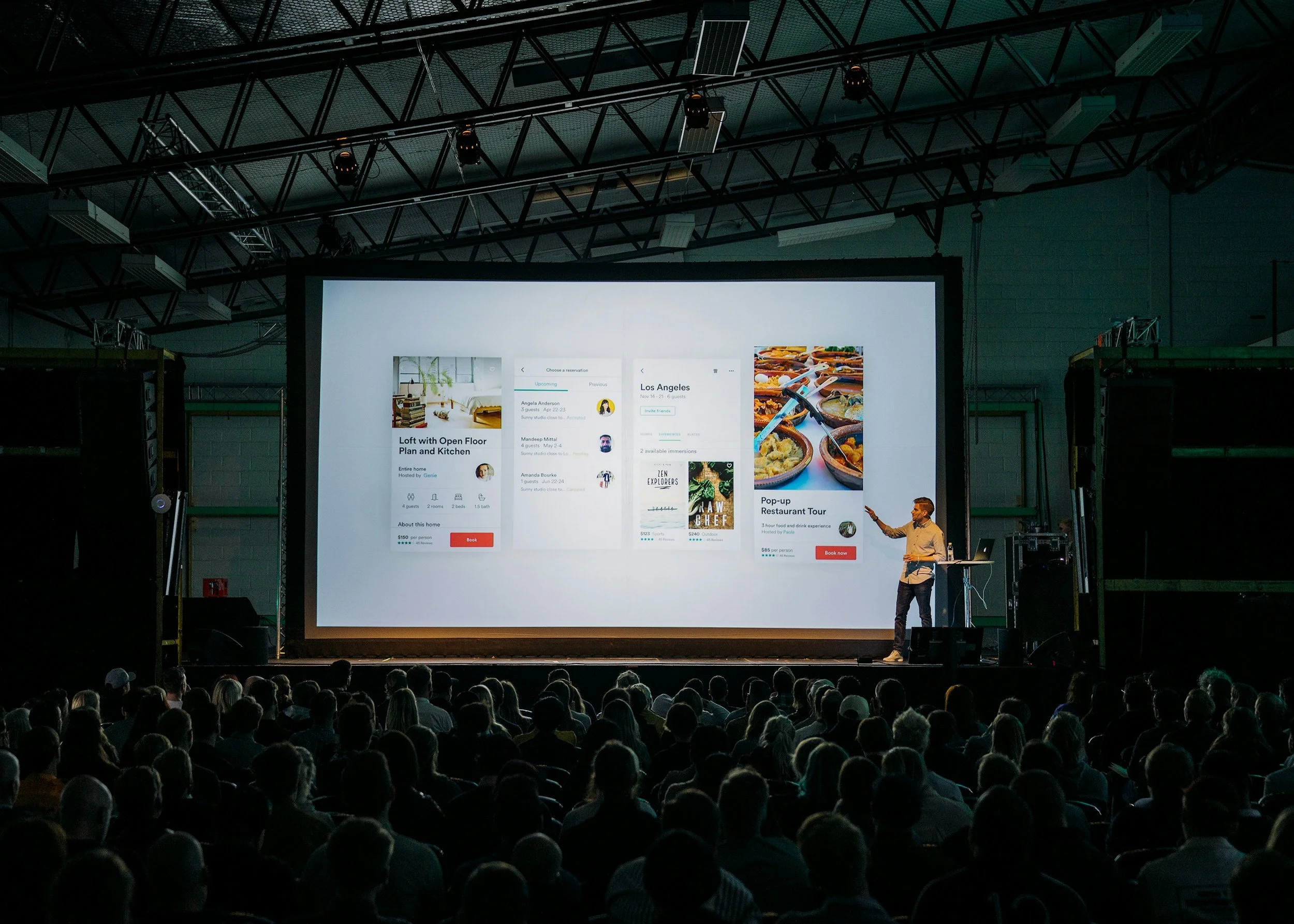
In-House Media vs. Specialized Corporate & Nonprofit Coverage
Many organizations rely on in-house photographers or videographers, and while that model offers convenience, it can also lead to complacency, generic content, and missed storytelling opportunities at major events. This article breaks down the key differences between employee-based media coverage and working with a specialized corporate and nonprofit event media company, and why the right support can elevate your message, extend the life of your content, and better serve your audience long after the event ends.
Why “Available” Doesn’t Always Mean “Effective”
Many corporations and nonprofit organizations rely on in-house photographers or videographers, and in a lot of ways, that makes perfect sense. Having someone on staff who understands your brand, your culture, and your internal workflows is valuable. They’re accessible. They’re familiar. They’re part of the team.
And in many cases, they do solid work.
But when it comes to conferences, annual meetings, fundraisers, conventions, and large-scale events, “solid” often isn’t enough.
This is where the difference between an in-house employee and a specialized corporate or nonprofit media company becomes very clear.
The Complacency Gap (and Why It Happens)
This isn’t about talent. Many in-house photographers and videographers are skilled, capable, and dedicated professionals.
The difference is incentive.
For an employee, event coverage is often just another day on the job. They’re hourly or salaried. Once the shots are “good enough” and the deliverables are met, the workday ends. There’s rarely pressure to push beyond the baseline because the outcome doesn’t directly impact their business, reputation, or future income.
Over time, this can lead to:
• Repetitive, generic imagery
• Missed moments that weren’t on the original shot list
• Minimal variation in angles, storytelling, and pacing
• Content that documents the event, but doesn’t elevate it
The result isn’t bad content. It’s forgettable content.
And for nonprofits and corporations investing significant time and money into events, forgettable content is a missed opportunity.
Events Are Not “Just Another Day”
For a specialized corporate and nonprofit media company, every event is high-stakes.
Our reputation depends on how well we perform in unpredictable environments. Our future bookings depend on whether the content actually helps you communicate your message, engage your audience, and justify the investment to stakeholders, sponsors, and leadership.
That mindset changes everything.
A specialized team walks into your event thinking about:
• What moments will matter six months from now
• What visuals will help your development or marketing team
• How this content will live on your website, social channels, and reports
• How to support your in-house team, not replace them
Instead of simply covering what’s scheduled, we’re constantly scanning for moments that weren’t planned but tell the real story of the event.
Supporting, Not Replacing, Your In-House Team
One of the biggest misconceptions is that hiring an external media company means sidelining your internal team.
In reality, the best results happen when both work together.
Your in-house team knows the organization.
A specialized media company knows events.
That combination allows:
• Broader coverage without overwhelming one person
• Multiple perspectives happening simultaneously
• Faster turnaround on high-priority assets
• Higher-level storytelling without pulling staff away from their core roles
As attendance grows and events become more complex, a single internal photographer or videographer simply can’t be everywhere at once. That’s not a failure. It’s a capacity issue.
Specialized teams are built for scale.
Content Is Only Valuable If It’s Usable
One of the most common frustrations we hear from marketing and communications teams is this:
“We have photos and videos… but we don’t really use them.”
That usually isn’t a production issue. It’s a strategy issue.
Specialized corporate and nonprofit media teams think beyond delivery. We think about usability. Content that works for:
• Social media
• Annual reports
• Sponsorship recaps
• Website updates
• Post-event marketing
• Internal communications
When content is created with those end uses in mind, it stops living on a hard drive and starts doing actual work for your organization.
The Real Difference
In-house media professionals are employees doing a job.
Specialized media companies are partners protecting their business.
That difference shows up in urgency, attention to detail, adaptability, and how seriously the outcome is taken.
It’s not about choosing one over the other. It’s about recognizing when your event deserves more than “good enough.”
When your message matters, when your audience matters, and when your event is more than a calendar item, the right media support makes all the difference.
If you’re planning an upcoming conference, fundraiser, or multi-day event and want coverage that supports your internal team while elevating the final result, MAE Media specializes in corporate and nonprofit event photography and video coverage nationwide.
You can learn more or start a conversation :
https://www.maepictures.com/book-now
Corporate Event Video Isn’t Just Content Anymore — It’s Infrastructure (2026 Reality Check
Most corporate event videos look great — and then never get used. In 2026, the difference between valuable event media and wasted budget comes down to intentional planning. This article breaks down the corporate video assets that actually deliver value long after the event ends.
As corporate events continue to evolve in 2026, video has quietly shifted roles.
It’s no longer a “nice-to-have” recap or something added at the end of the budget.
For the smartest teams, video has become infrastructure — something that supports marketing, internal communication, recruiting, sales, and future event growth.
And yet, many events are still treating video as an afterthought.
I see this firsthand at conferences, conventions, leadership summits, and brand activations. The production is polished. The speakers are strong. The energy is there. But once the event ends, the content strategy stops.
That’s where the disconnect happens.
The Shift Happening Right Now
Corporate teams aren’t asking,
“Did we get video?”
They’re asking,
“What can we actually do with this after the event?”
The companies getting the most value from their events are thinking about video before the doors open, not after the lights come down.
They’re planning for:
Executive messaging
Internal alignment
Social distribution
Sponsor visibility
Recruiting and employer branding
Future event promotion
Video isn’t just documenting the event anymore — it’s extending it.
What High-Performing Teams Are Capturing in 2026
Here’s what consistently separates events that use their content from those that archive it.
1. Leadership Soundbites That Travel
Short, clear executive clips explaining:
Why the event exists
What the company is focused on
What attendees should take away
These become internal updates, LinkedIn clips, and website content long after the event ends.
2. Energy-Driven Event Recaps
Not long highlight films that sit unused — but tight, purposeful recaps that show:
Engagement
Community
Momentum
These videos help answer one key question for future attendees:
“Do I want to be in that room next year?”
3. Sponsor-Ready Visual Assets
Sponsors care less about logos on a wall and more about visibility they can reuse.
Well-shot branded clips and visual moments give sponsors content they can actually post, share, and justify internally.
4. Internal Content That Doesn’t Feel Internal
Companies are using event video to:
Rally teams
Share wins
Reinforce culture
Align departments
When done right, this content doesn’t feel corporate — it feels real.
The Cost of Treating Video as an Add-On
Here’s the part no one likes to say out loud.
When video isn’t planned properly:
Content becomes generic
Clips feel disconnected
Teams don’t know how to use what they receive
Value drops fast
The result isn’t bad video — it’s unused video.
That’s the real loss.
The Smarter Approach for 2026
The most successful events aren’t adding more coverage.
They’re adding clarity.
They’re asking:
What needs to live beyond the event?
Who needs to see this after?
Where will this content be used?
When photo and video are planned together with those answers in mind, things simplify — not complicate.
Final Thought
Corporate events are expensive.
But the content doesn’t have to expire when the event ends.
In 2026, video isn’t about trends, gear, or cinematic shots for the sake of it.
It’s about utility, longevity, and alignment.
If your event content can still work weeks or months later, you’re doing it right.
If not, there’s opportunity sitting on the table.
If you’re planning a corporate event this year — or budgeting for next — this is the moment to rethink how video fits into the bigger picture.
If you’re curious how to structure photo + video coverage without overcomplicating things, I’m always happy to share what’s working.
Chris Jimenez
Owner, MAE Media
www.maepictures.com
954-397-0670
Evoto AI Headshots and the Reality of AI in Corporate Photography
AI headshot tools like Evoto are gaining attention, but speed and automation come with trade-offs. This article breaks down where AI headshots can be useful, where they fall short, and why professional photography still matters for corporate brands and leadership teams.
Artificial intelligence is already changing the photography industry, and tools like Evoto’s AI headshot generator are part of that shift. As highlighted in recent industry discussions, Evoto offers a fast way to generate professional-looking headshots without a traditional photo session. For some corporate professionals, the promise of speed and convenience is appealing.
The real question is not whether AI will have an impact. It already has. The more important question is where AI is useful and where it clearly falls short.
What Evoto AI Does Well
Evoto’s AI headshot system is designed for efficiency. Users upload photos, select a style, and receive a polished result quickly. For basic needs such as internal profiles, temporary placeholders, or low-priority use cases, AI-generated headshots can serve a function.
AI also excels at consistency. It can apply similar lighting, backgrounds, and retouching across multiple images without variation. For teams that want uniform visuals without coordinating schedules, this can seem like a practical solution.
Below is an example of an AI-generated professional headshot created using an AI headshot generator.
AI Headshots: The Future Or Dangerous Fad | HeadShots Inc
Berksheadshots, ai-background-for-headshots-will-it-work-for-you
At first glance, the image looks polished. The lighting is clean and the background is neutral. But with closer inspection, the limitations begin to show.
Where AI Headshots Start to Break Down
AI does not understand nuance. It does not know which side of someone’s face they prefer or how they want to be perceived. It cannot recognize subtle posture issues, body language, or expressions that convey confidence and approachability. AI creates what it thinks is the best image based on patterns, not personal intention.
Skin texture often appears overly smooth. Facial structure can feel slightly unnatural. The image may look technically correct, but emotionally flat.
Efficiency is another area where AI struggles in real corporate environments. Creating one image might be easy, but managing dozens or hundreds of employees, leadership teams, branding standards, and real deadlines quickly becomes inefficient.
AI also lacks adaptability. It cannot respond to feedback in real time. It cannot adjust lighting based on skin tone, wardrobe, or environment. It cannot guide someone through posing or make small corrections that dramatically improve the final image.
Professional Headshots in a Real Corporate Setting
Now compare that with a professionally photographed corporate headshot captured in a controlled environment with real direction, lighting, and interaction.
organicheadshots-Corporate Headshot Photographers for company headshots
Company- portraitpal
Professional photography captures more than appearance. It captures presence. A photographer can guide posture, adjust angles, fine-tune lighting, and respond instantly to feedback. The result feels intentional, natural, and aligned with how the subject wants to be represented.
In corporate settings, perception matters. Headshots and branding images are often the first impression a client, partner, or stakeholder sees. That impression should feel confident, authentic, and real.
What AI Cannot Replace
AI cannot replace human direction.
AI cannot replace experience on location.
AI cannot replace efficiency under real-world conditions.
AI cannot replace nuance, judgment, or brand awareness.
Corporate media is not just about producing images. It is about understanding goals, managing people, working within tight schedules, and delivering consistent results that align with a company’s brand.
AI is a tool. The value comes from how and when it is used.
The Bottom Line for Corporate Professionals
AI tools like Evoto are not the enemy of photography. They serve a purpose, and for quick, low-impact needs, they can be useful. But when it comes to representing a company, its leadership, or its brand, experience and execution still matter.
Corporate media requires more than automation. It requires understanding intent, capturing nuance, and delivering reliable results in real environments. These are areas where AI still falls short.
For organizations that need executive headshots, corporate photography, video coverage, or full-scale event media, MAE Media provides professional coverage built around efficiency, consistency, and brand alignment. We handle the entire process so your team does not have to.
To learn more or request coverage, visit www.maepictures.com, email info@maepics.com, or call 954-397-0670.
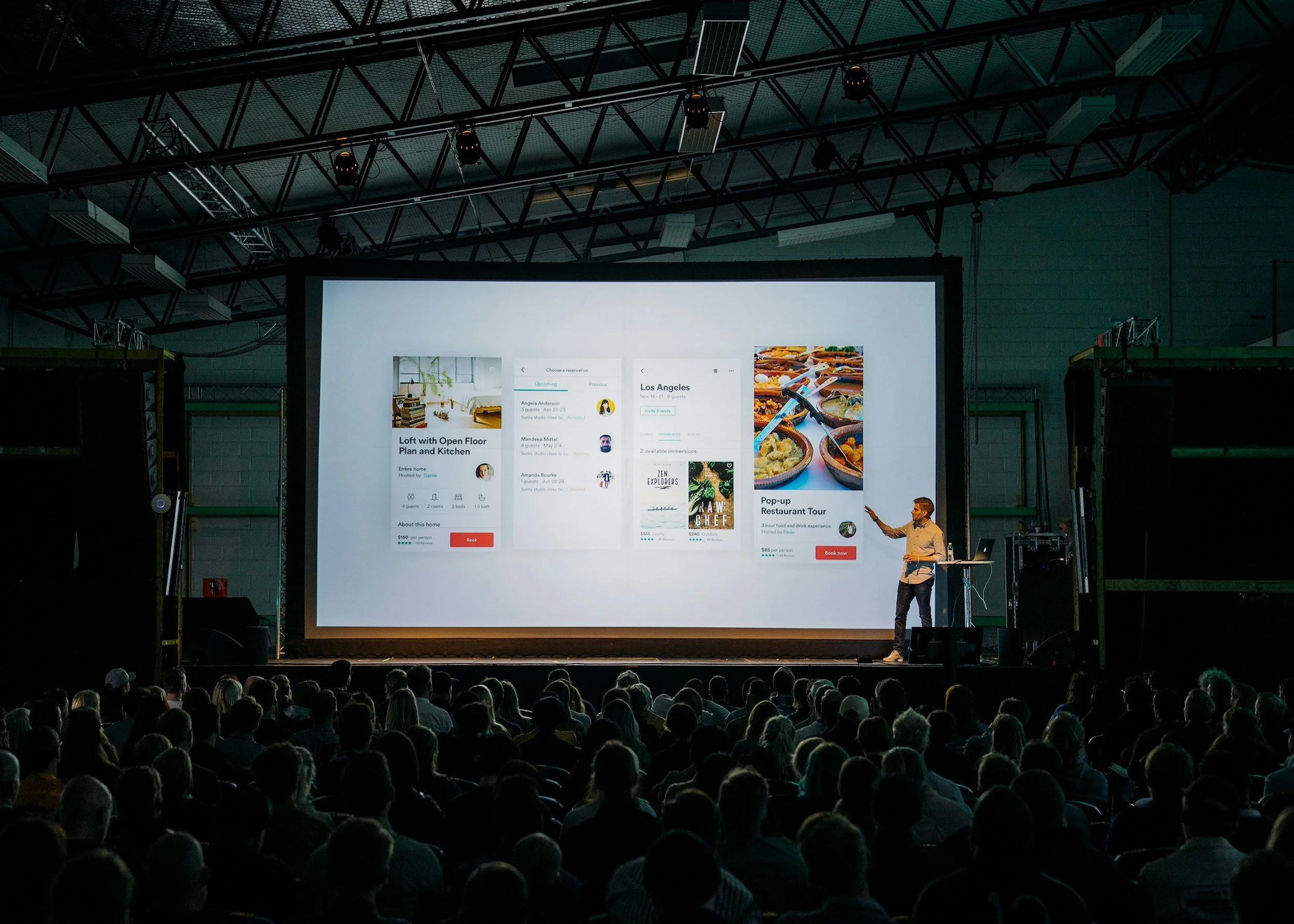
Maximizing Impact at Corporate Conventions: The Power of On-Site Video, Interviews, and Headshots
Corporate conventions are more than one-time events—they’re opportunities to create lasting content. This article breaks down how on-site video, executive interviews, and professional headshots can turn a single conference into months of usable marketing assets. Learn how intentional media planning helps brands extend their reach, strengthen messaging, and maximize ROI long after the event ends.
Corporate conventions are no longer just about what happens on the show floor—they’re about what lives on after the event ends. In today’s content-driven landscape, companies that plan for on-site media production gain significantly more value from their conferences than those that rely solely on recap photos or attendee feedback.
Strategic on-site video, interviews, and professional headshots transform a convention from a one-time gathering into a long-term marketing asset.
Why On-Site Video Matters at Corporate Conventions
Video captures scale, energy, and messaging in a way that still images alone cannot. From opening sessions and keynote highlights to branded activations and behind-the-scenes moments, on-site video allows companies to extend the reach of their event far beyond the venue.
Short-form clips can be used immediately for social media and internal communications, while longer edits support post-event marketing, sales decks, recruitment, and future event promotion. When video is planned intentionally—not as an afterthought—it becomes one of the highest-ROI investments at a convention.
Capturing Thought Leadership Through On-Site Interviews
On-site interviews are one of the most underutilized tools at corporate events. Conferences bring executives, industry leaders, partners, and customers into one place—making it the perfect opportunity to capture authentic, high-value conversations.
These interviews can be used for:
Brand storytelling and thought leadership
Internal training and executive messaging
Sales enablement and client education
Website and LinkedIn content
Because interviews are recorded in the context of the event, they feel timely, credible, and relevant—far more impactful than content produced months later in a studio.
The Value of Professional Headshots at Live Events
Offering professional headshots on-site adds immediate value for attendees while strengthening your brand experience. Whether it’s executives, speakers, sponsors, or staff, on-site headshots provide polished, consistent imagery without requiring separate scheduling.
These headshots are commonly used for:
LinkedIn and professional profiles
Company websites and bios
Press kits and speaker materials
Internal directories and marketing assets
Well-executed on-site headshot stations are efficient, organized, and designed to move quickly—making them a popular and practical addition to any convention.
Turning One Event Into a Year’s Worth of Content
The real advantage of on-site media is not just documentation—it’s content strategy. When video, interviews, and headshots are captured with purpose, a single convention can produce months of usable assets.
This approach supports:
Consistent brand visibility after the event
Stronger ROI on event spend
Better alignment between marketing, sales, and leadership teams
Higher perceived value for sponsors and attendees
Planning media coverage in advance ensures nothing important is missed and every deliverable has a clear use.
A Strategic Approach to Corporate Event Media
At Mae Media, we specialize in on-site video and photography for corporate conventions, conferences, and brand activations. Our team works alongside planners, marketing teams, and production crews to deliver professional media coverage that’s efficient, intentional, and built for real-world use.
From multi-day conventions to executive summits, we focus on capturing content that supports your goals—before, during, and long after the event ends.
Final Thoughts
Corporate conventions are major investments. When supported with the right on-site media strategy, they become far more than a calendar date—they become a content engine.
If you’re planning a conference or convention and want to maximize its impact through professional video, interviews, and headshots, now is the time to plan for it.
Ready to Plan Your Next Corporate Event?
If you’re ready to book your next corporate event with a team that understands how to capture content with purpose, Mae Media is here to support you. From on-site video and interviews to professional headshots and event photography, we deliver media coverage designed to extend the value of your event well beyond the venue.
👉 Book your next corporate event here:
https://www.maepictures.com/book-now
JOSH & Holli Wedding Day
Step into the enchanting world of Josh and Holli, as they exchanged vows amidst the rustic charm of Robbins Preserve in Davie, FL, captured beautifully by MAE Photography from Aventura, FL. This picturesque setting isn't just a dream for the couple; it's an affordable option for any pair seeking a country-style backdrop for their wedding. The park's scenic views, complete with a barn and beautiful trees, offer an endless expanse of lush surroundings perfect for creating timeless memories. Against this backdrop, Josh and Holli's love story unfolded, resonating with the warmth and authenticity of their rural upbringing. Join us in reliving the magic of their special day through these timeless photographs, and discover the serene beauty of Robbins Preserve for your own unforgettable celebration.
We Do
Forever!


