
Corporate Event Video Isn’t Just Content Anymore — It’s Infrastructure (2026 Reality Check
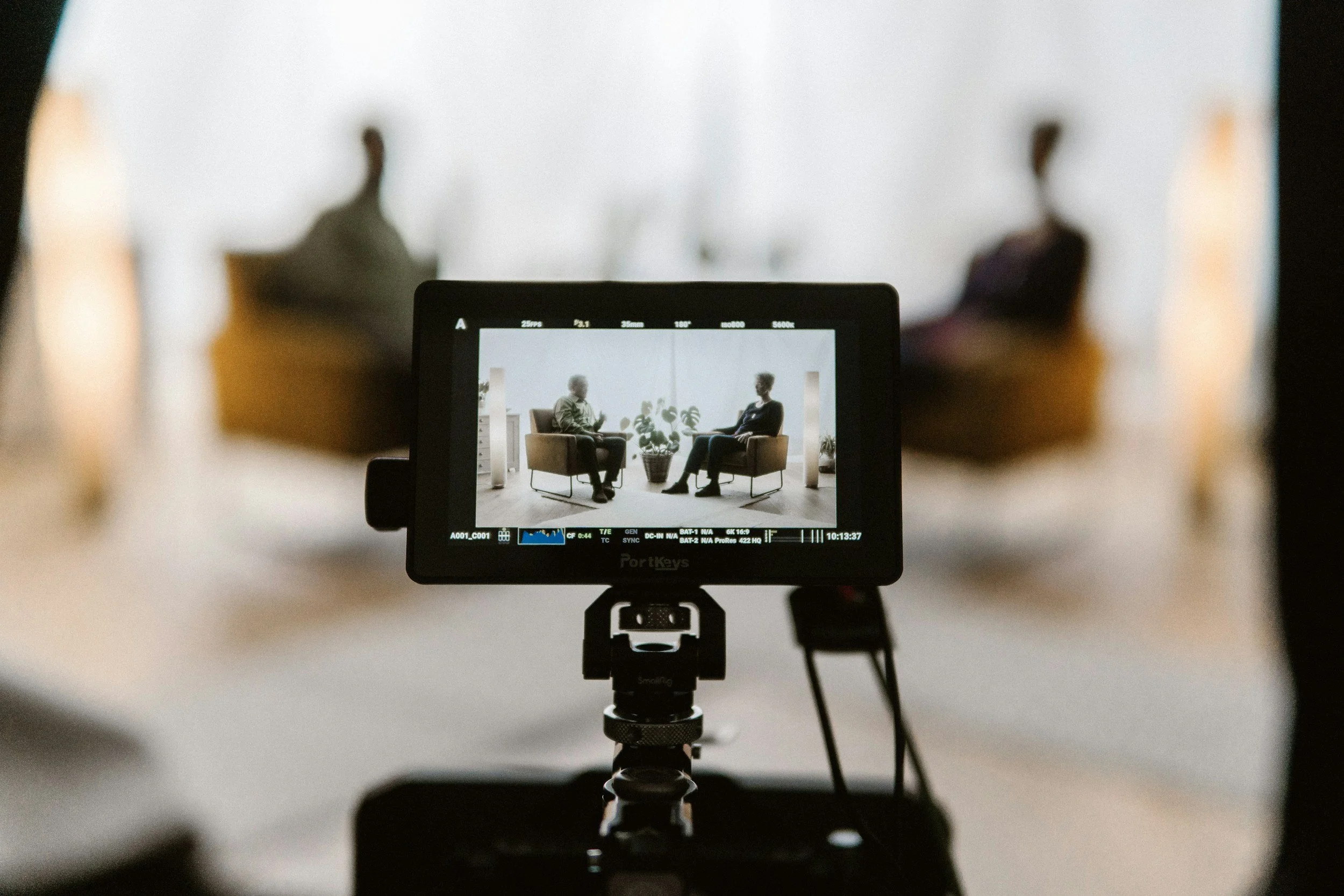
As corporate events continue to evolve in 2026, video has quietly shifted roles.
It’s no longer a “nice-to-have” recap or something added at the end of the budget.
For the smartest teams, video has become infrastructure — something that supports marketing, internal communication, recruiting, sales, and future event growth.
And yet, many events are still treating video as an afterthought.
I see this firsthand at conferences, conventions, leadership summits, and brand activations. The production is polished. The speakers are strong. The energy is there. But once the event ends, the content strategy stops.
That’s where the disconnect happens.
The Shift Happening Right Now
Corporate teams aren’t asking,
“Did we get video?”
They’re asking,
“What can we actually do with this after the event?”
The companies getting the most value from their events are thinking about video before the doors open, not after the lights come down.
They’re planning for:
Executive messaging
Internal alignment
Social distribution
Sponsor visibility
Recruiting and employer branding
Future event promotion
Video isn’t just documenting the event anymore — it’s extending it.
What High-Performing Teams Are Capturing in 2026
Here’s what consistently separates events that use their content from those that archive it.
1. Leadership Soundbites That Travel
Short, clear executive clips explaining:
Why the event exists
What the company is focused on
What attendees should take away
These become internal updates, LinkedIn clips, and website content long after the event ends.
2. Energy-Driven Event Recaps
Not long highlight films that sit unused — but tight, purposeful recaps that show:
Engagement
Community
Momentum
These videos help answer one key question for future attendees:
“Do I want to be in that room next year?”
3. Sponsor-Ready Visual Assets
Sponsors care less about logos on a wall and more about visibility they can reuse.
Well-shot branded clips and visual moments give sponsors content they can actually post, share, and justify internally.
4. Internal Content That Doesn’t Feel Internal
Companies are using event video to:
Rally teams
Share wins
Reinforce culture
Align departments
When done right, this content doesn’t feel corporate — it feels real.
The Cost of Treating Video as an Add-On
Here’s the part no one likes to say out loud.
When video isn’t planned properly:
Content becomes generic
Clips feel disconnected
Teams don’t know how to use what they receive
Value drops fast
The result isn’t bad video — it’s unused video.
That’s the real loss.
The Smarter Approach for 2026
The most successful events aren’t adding more coverage.
They’re adding clarity.
They’re asking:
What needs to live beyond the event?
Who needs to see this after?
Where will this content be used?
When photo and video are planned together with those answers in mind, things simplify — not complicate.
Final Thought
Corporate events are expensive.
But the content doesn’t have to expire when the event ends.
In 2026, video isn’t about trends, gear, or cinematic shots for the sake of it.
It’s about utility, longevity, and alignment.
If your event content can still work weeks or months later, you’re doing it right.
If not, there’s opportunity sitting on the table.
If you’re planning a corporate event this year — or budgeting for next — this is the moment to rethink how video fits into the bigger picture.
If you’re curious how to structure photo + video coverage without overcomplicating things, I’m always happy to share what’s working.
Chris Jimenez
Owner, MAE Media
www.maepictures.com
954-397-0670
