Mae Photography LLC 2026
Planning a corporate event is not just about filling a room, booking speakers, and making sure the schedule runs on time. For many planners and marketing teams, the event also has to serve a bigger purpose.
It needs to create content.
It needs to support the brand.
It needs to show attendance, energy, engagement, leadership, and value.
And after the event is over, the photos and videos need to help the company keep the momentum going.
That is why choosing the right corporate event media team matters.
A strong media team should do more than show up with cameras. They should understand what planners are trying to accomplish, what marketing teams need after the event, and how to capture moments that are useful beyond the day itself.
Before the Event: Your Media Team Should Understand the Goal
Before the event begins, your media team should have a clear understanding of what matters most.
Every corporate event is different. A leadership summit may need polished speaker coverage and executive moments. A conference may need attendee engagement, branding, breakout sessions, sponsor visibility, and networking photos. A brand activation may need energy, interactions, product moments, and social-ready content.
The best results usually come when the planner and media team are aligned before event day.
Helpful things to share before the event include:
The event schedule
Important speakers or leadership names
Any VIPs who should be photographed
A general shot list
Branding or sponsor priorities
Key rooms or activations
Any moments that cannot be missed
How the photos and videos will be used after the event
This helps the media team work with intention instead of simply reacting to whatever is happening in the room.
During the Event: The Media Team Should Be Professional, Aware, and Flexible
Corporate events move quickly. Schedules change, speakers run long, rooms shift, and important moments can happen unexpectedly.
A good media team should be able to adjust without creating more stress for the planner.
That means being professional with guests, aware of the room, and respectful of the event flow. The goal is to document the event without becoming a distraction.
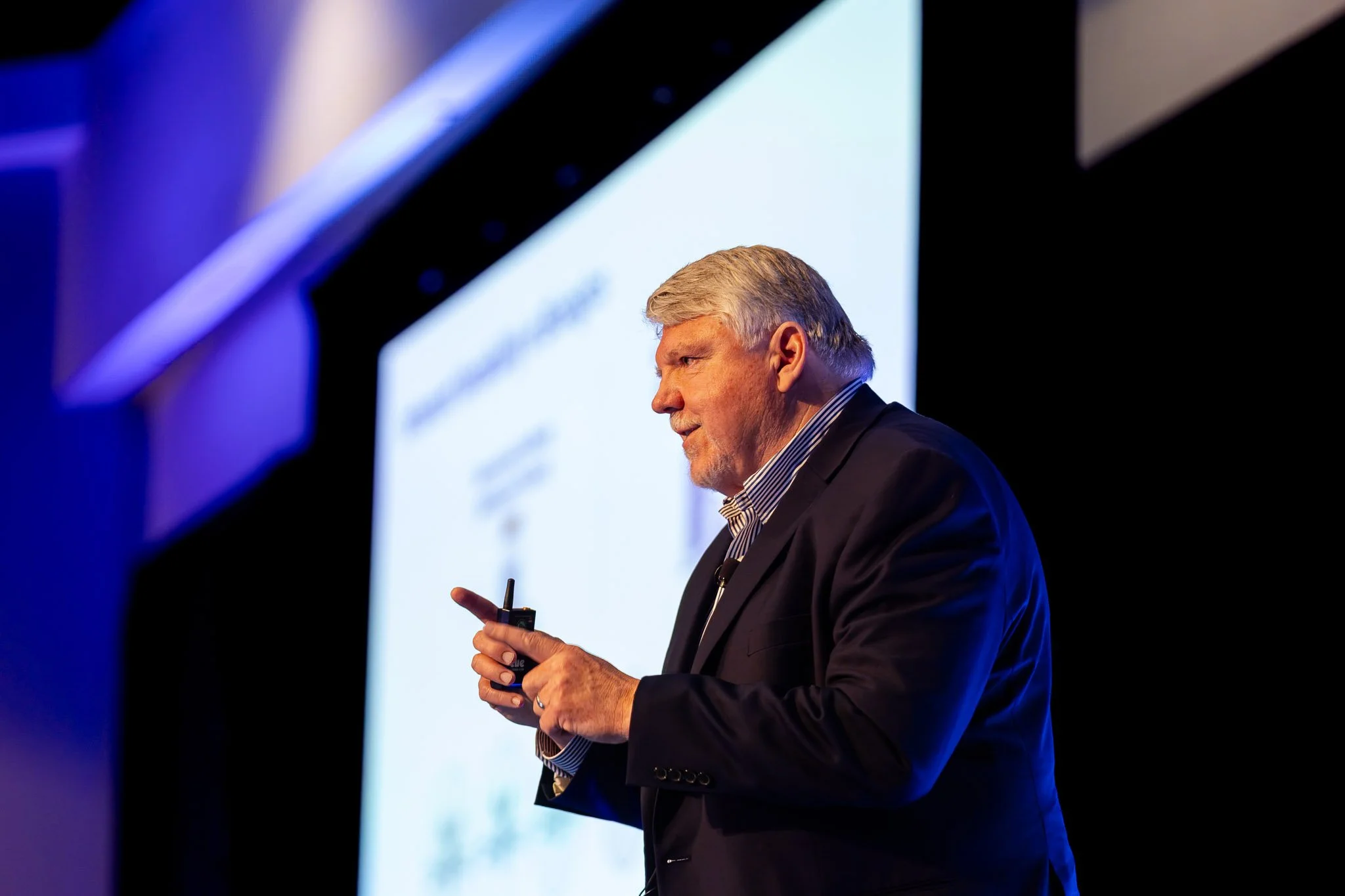
For planners, this is important because the media team is often moving through the same space as attendees, executives, sponsors, and speakers. The right team knows how to capture the room naturally while staying polished and professional.
Strong corporate event coverage usually includes:
Candid attendee interactions
Speaker and panel coverage
Audience reactions
Networking moments
Branded signage and sponsor details
Room atmosphere
Leadership and VIP coverage
Group moments
Social and marketing-friendly images
These are the photos and videos that help tell the full story of the event.
After the Event: Fast Delivery Matters
Once the event is over, the content becomes part of the marketing strategy.
Planners and marketing teams may need images for internal recaps, social media, newsletters, sponsor reports, press releases, websites, and future event promotion.
That is why turnaround time matters.
A fast, organized delivery helps the client keep the energy of the event alive. If the content comes too late, the momentum is gone. A great event deserves content that can be used while people are still talking about it.
This is where an experienced corporate event media team can make a big difference.
The goal should not only be to deliver beautiful images. The goal should be to deliver useful images that help the company continue the conversation after the event.
Why Planners Should Think About Content Before the Event Starts
One of the biggest mistakes companies make is treating photo and video as an afterthought.
The event gets planned first, and the media team gets added at the end.
But if content is part of the goal, then media coverage should be part of the planning conversation early.
When planners think about content ahead of time, they can make better decisions about:
Where branding should be placed
Which moments need coverage
How leadership should be photographed
What sponsors may need afterward
Which sessions should be prioritized
What content the marketing team will need after the event
This creates a smoother experience for everyone.
It also helps make sure the event is not just remembered by the people in the room, but also by the people who see the content afterward.
What Planners Really Need From a Media Partner
At the end of the day, planners do not need another vendor who simply shows up and waits to be told what to do.
They need a media partner who understands the pressure of the event.
They need someone who knows that timing matters.
They need someone who understands brand image.
They need someone who can capture the room without getting in the way.
They need someone who can deliver content that is clean, professional, and useful.
Corporate event photography and video should make the planner’s job easier, not harder.
The right media team helps document the event, support the marketing team, and create content that can continue working long after the event ends.
Work With MAE Media
At MAE Media, we understand that corporate events are more than just one day on the calendar. They are brand moments, marketing opportunities, leadership touchpoints, and content opportunities.
We work with planners and marketing teams to capture corporate events in a way that feels polished, natural, and useful for post-event marketing.
If you are planning a conference, corporate event, executive meeting, brand activation, or multi-day event, you can learn more here: