When you're planning a corporate conference, leadership meeting, summit, trade show, brand activation, or multi-day event, photography and video can sometimes feel like one more vendor category to manage.
It shouldn't.
A professional event media team should understand the event schedule, anticipate important moments, coordinate with production and AV teams, and capture content without requiring the planner to constantly direct them.
The biggest problems usually don't happen because someone forgot to bring a camera.
They happen because expectations were never clearly defined.
Who needs to be photographed?
Which sponsors need visibility?
Are keynote presentations being fully recorded?
Does the videographer need an audio feed from AV?
Are testimonials being captured?
Does marketing need vertical social content?
How quickly are the assets needed?
Answering these questions before event day can eliminate a huge amount of unnecessary stress.
Here is what corporate planners should confirm before their next event.
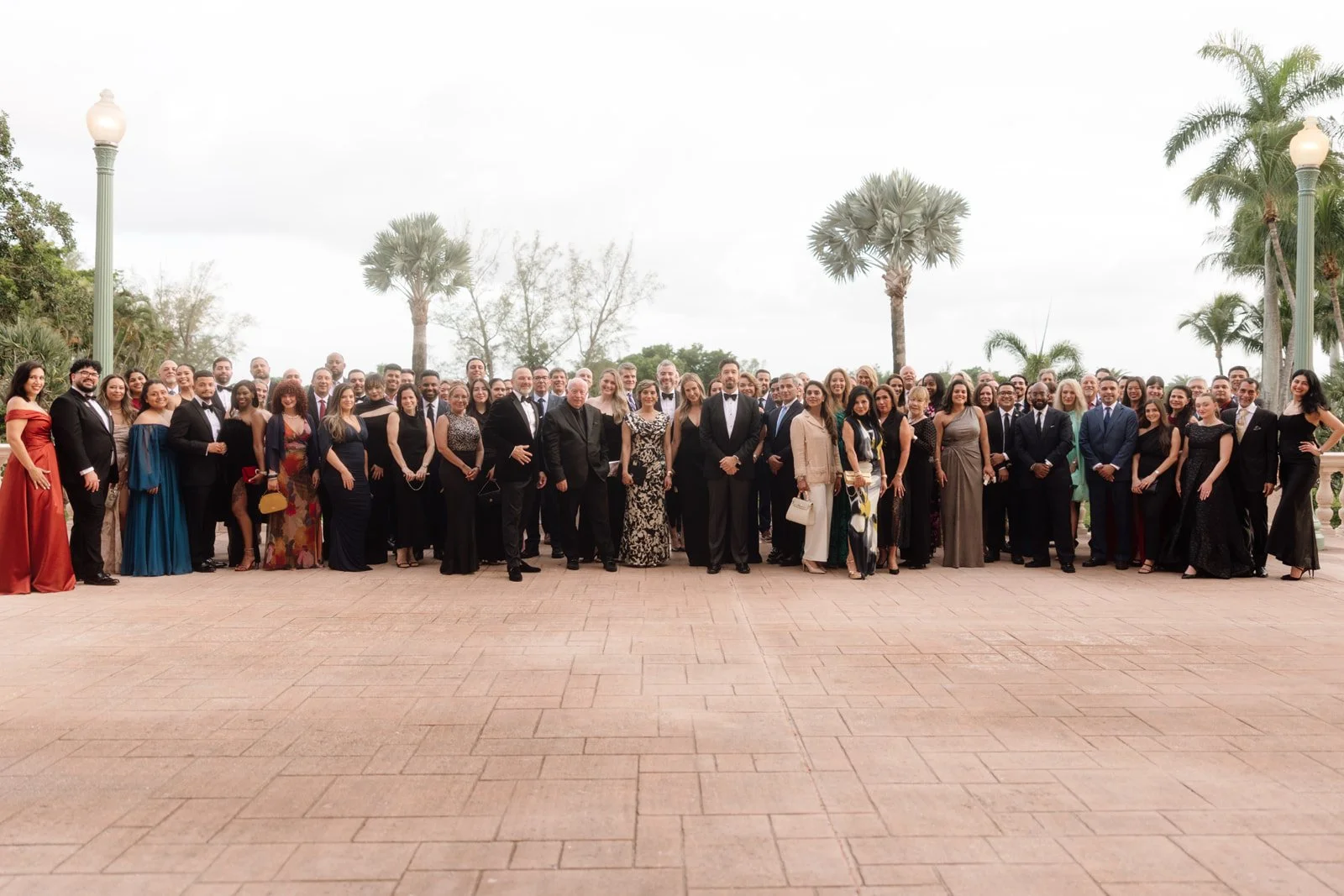
The Biltmore, MAE Photography 2026
1. Start With the Purpose of the Coverage
Before discussing cameras, hours, or crew size, determine why the company needs the content.
Corporate event media can serve several different purposes:
Internal communications
Social media
Public relations
Sponsor reporting
Recruitment
Future event promotion
Sales and marketing
Executive communications
Training and education
Website content
Full conference session archives
A company hiring a photographer for internal documentation has very different needs from an organization planning to use the event footage for a year-long marketing campaign.
Your media company should understand the end use before recommending coverage.
2. Identify the People Who Cannot Be Missed
One of the easiest ways to prevent problems is to create a simple priority list.
That may include:
Executives and leadership
If the CEO, president, board members, or senior executives are attending, the media team should know who they are before the event begins.
Keynote speakers and panelists
Planners shouldn't have to search for a photographer every time an important speaker reaches the stage.
Sponsors
Sponsors often expect visual evidence of their presence and investment.
That can include signage, booths, branded screens, sponsored sessions, activations, and attendee interaction.
VIP guests
If certain attendees, partners, clients, or industry leaders are especially important, communicate that ahead of time.
A professional corporate photographer should still document the event naturally, but knowing the priorities ensures that critical stakeholders don't get missed.
3. Decide Whether You Need Photography, Video, or Both
Photography and video accomplish different things.
Corporate Event Photography
Photography is ideal for capturing:
Networking
Speakers
Panels
Executive interactions
Audience engagement
Sponsor branding
Venue details
Group photographs
Award presentations
Exhibitors
Candid interactions
These assets can often be distributed quickly to marketing, leadership, PR teams, sponsors, and social media managers.
Corporate Event Videography
Video can document the experience in a completely different way.
Depending on the event, coverage may include:
Highlight or sizzle videos
Full keynote recordings
Multi-camera panel recordings
Attendee testimonials
Executive interviews
Sponsor interviews
B-roll
Social media clips
Vertical video content
Session recordings
Presentation and slide integration
Captions and transcripts
For larger conferences, having dedicated photography and video professionals also allows both teams to work simultaneously without compromising either deliverable.
4. Give Your Media Team the Run of Show
Your photographer and videographer should receive the latest event schedule before arriving.
It doesn't need to be perfect.
But they should know when the important moments are happening.
A useful run of show might include:
8:00 AM — Registration
9:00 AM — Opening Remarks
9:30 AM — CEO Keynote
10:30 AM — Networking Break
11:00 AM — Panel Discussion
12:30 PM — Lunch
2:00 PM — Breakout Sessions
4:00 PM — Sponsor Reception
This allows the media team to plan their movements throughout the venue instead of constantly asking the planner:
"What's happening next?"
That is exactly the kind of question your media team should already know the answer to.
5. Clarify Audio Before Recording Keynotes or Interviews
For conference video, audio can be just as important as the image.
If presentations are being recorded, planners should determine whether the venue or AV company can provide the video team with a clean audio feed.
This can include audio from:
Podium microphones
Lavaliers
Handheld microphones
Panel microphones
Presentation playback
Q&A microphones
Your videography team and AV provider should coordinate before the event begins.
Backup audio recording is also extremely important for presentations that cannot be recreated.
No corporate planner wants to discover after the conference that a beautiful three-camera keynote recording has unusable audio.
6. Define the Deliverables Before Event Day
"Event coverage" can mean almost anything.
A quote should clearly identify what you are actually receiving.
For photography, that may include:
Professionally edited event photographs
Online gallery
High-resolution downloads
Web-ready files
Select expedited images
For video, that might include:
60–90 second highlight video
Individual keynote recordings
Panel recordings
Raw footage
Social media clips
Vertical reels
Interview edits
Captions
SRT files
Transcripts
Presentation slide integration
The clearer the deliverables are before the event, the easier it becomes to compare quotes accurately.
7. Discuss Turnaround Time Before the Event
Corporate teams frequently need content quickly.
Your social team may want photographs the next morning.
PR may need several images immediately after an announcement.
Marketing may need a recap video following the conference.
Speakers may need presentation recordings.
Sponsors may need images for post-event reporting.
Instead of assuming everything will be delivered immediately, identify which assets actually need priority.
For example:
Priority #1: 20–30 edited photographs for social and PR
Priority #2: Complete event photo gallery
Priority #3: Highlight video
Priority #4: Full session recordings
This gives the media team a realistic post-production workflow while ensuring the organization receives the most time-sensitive content first.
8. Consider How the Content Will Be Used After the Event
A conference may only last two days.
The content created during it can potentially be used for months.
One strong corporate event media library can provide material for:
LinkedIn
Instagram
Company websites
Email campaigns
Sales presentations
Sponsor decks
Press releases
Recruiting
Future conference promotion
Speaker promotion
Internal communications
Annual reports
That is why event media shouldn't only document what happened.
It should create a library of useful marketing assets for what happens next.
9. Make Sure the Media Company Understands Corporate Events
Corporate event coverage requires a different approach than many other types of photography and video.
Your team may need to communicate with:
Event planners
Producers
Venue managers
AV teams
Marketing departments
Executive assistants
Speakers
Sponsors
Security
Public relations teams
They need to know when to step forward and capture an important moment—and when to remain unobtrusive.
They also need to understand that some moments only happen once.
A keynote entrance cannot be repeated.
A CEO handshake cannot always be recreated.
An audience reaction happens for a few seconds.
Good corporate event media coverage depends heavily on anticipation.
The Goal: One Less Thing for the Planner to Manage
The best event media teams don't simply arrive with cameras.
They arrive understanding the assignment.
They know the schedule.
They know the priority people.
They know the required deliverables.
They coordinate with AV.
They anticipate important moments.
And most importantly, they allow the planner to concentrate on actually running the event.
That is what professional corporate event media coverage should provide: great content with less stress for the people producing the event.
Planning an Upcoming Corporate Event?
MAE Media provides professional corporate event photography and videography for conferences, summits, executive meetings, brand activations, trade shows, and corporate events in Florida and nationwide.
If you're currently planning an event and need help determining the right photography, video, crew, or deliverables, tell us what you're planning and we'll help you build the appropriate coverage.
Start your event media conversation with MAE Media:
https://www.maepictures.com/contactus
MAE Media
Corporate Event Photography & Videography
Website: https://www.maepictures.com
Email: info@maepics.com
Phone: 954-397-0670