A successful corporate event isn't measured only by attendance—it's measured by how well it continues working for your organization after everyone goes home.
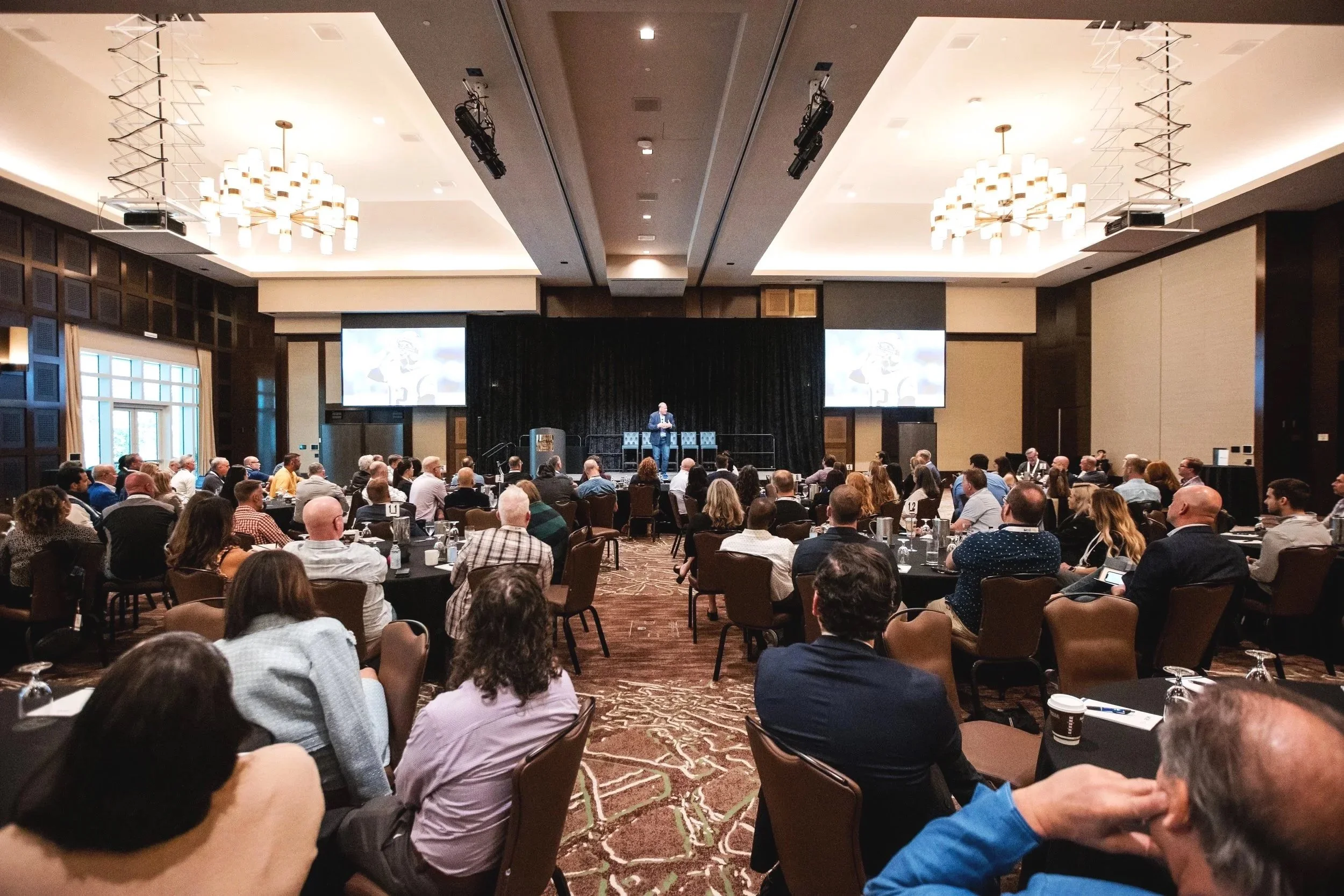
The photos and videos captured at your conference become marketing assets for future events, sponsor presentations, recruiting, your website, social media, and sales materials.
The truth is, the quality of those assets depends on decisions made long before your photographer or videographer ever picks up a camera.
1. A Five-Minute Schedule Change Can Cost You Your Most Important Photos
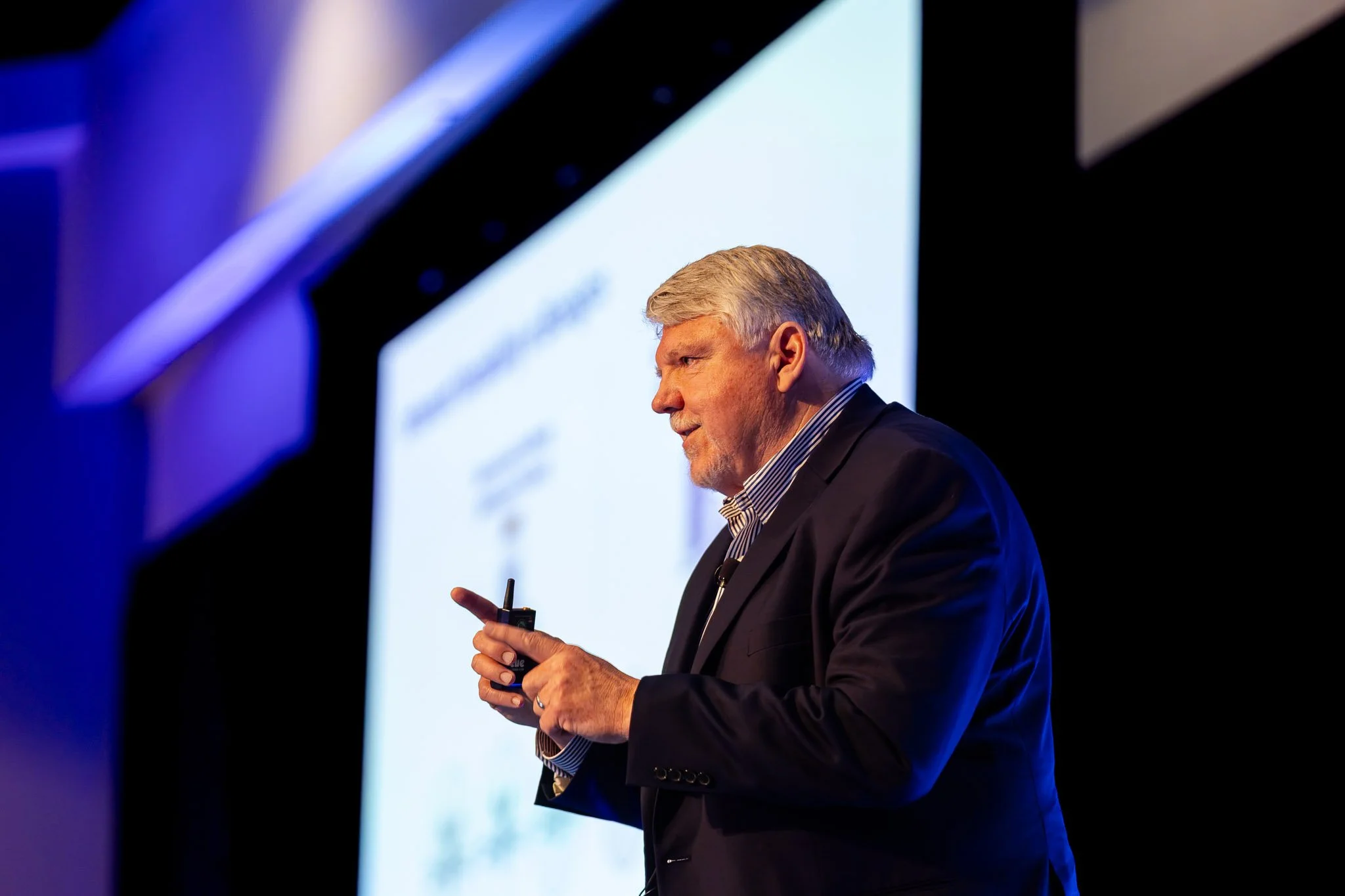
Last-minute schedule changes happen at nearly every event, and experienced media teams understand that. The challenge isn't the change itself—it's making sure your photographer or videographer knows about it.
If a keynote begins early or an award presentation moves to another room without warning, those once-in-a-lifetime moments can easily be missed.
The simplest solution is assigning one person from your planning team to communicate schedule updates throughout the day. Even a quick text message can make all the difference.
Mae Media LLC 2026
2. Good Lighting Makes Your Company Look More Professional
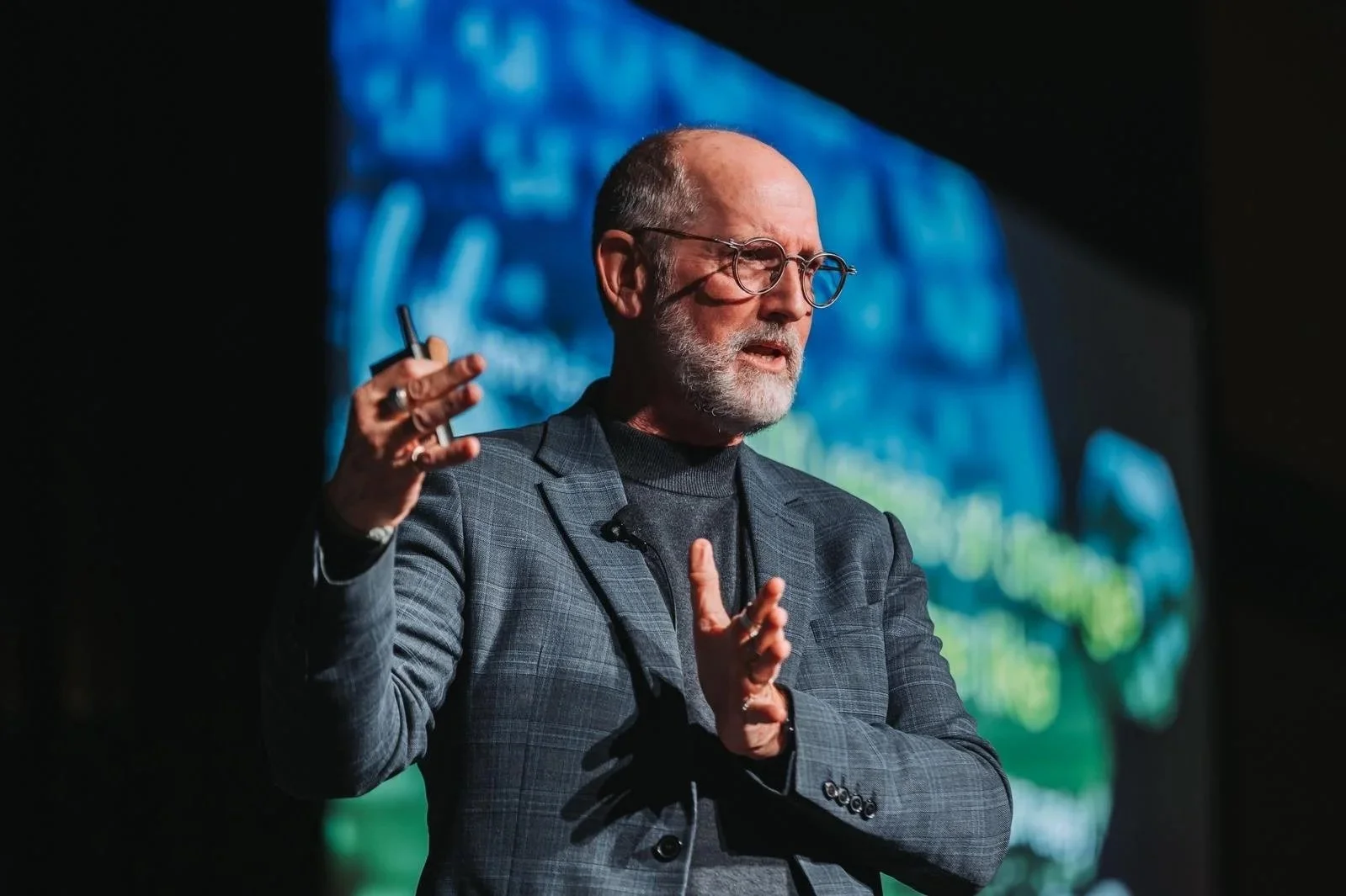
Lighting affects much more than brightness—it influences how polished your company appears.
A ballroom may look beautiful in person, but extremely dark rooms or colorful uplighting can make faces difficult to see and logos nearly impossible to read in photos and video.
Whenever possible:
Keep presenters well-lit from the front.
Avoid speaking in complete darkness.
Test stage lighting before guests arrive.
Small adjustments create a dramatic improvement in the final gallery.
MAE Photography LLC 2026
3. Avoid Scheduling Every Major Moment at the Same Time
One challenge planners don't always see is what happens behind the camera.
Imagine these happening simultaneously:
The CEO greeting VIP guests
An awards presentation
A sponsor activation
A networking reception
Your media team can only be in one place at a time.
Spacing major moments even 10 to 15 minutes apart allows every important part of your event to receive the attention it deserves.
4. Tell Your Media Team What Success Looks Like
One of the most common directions photographers receive is:
"Just capture everything."
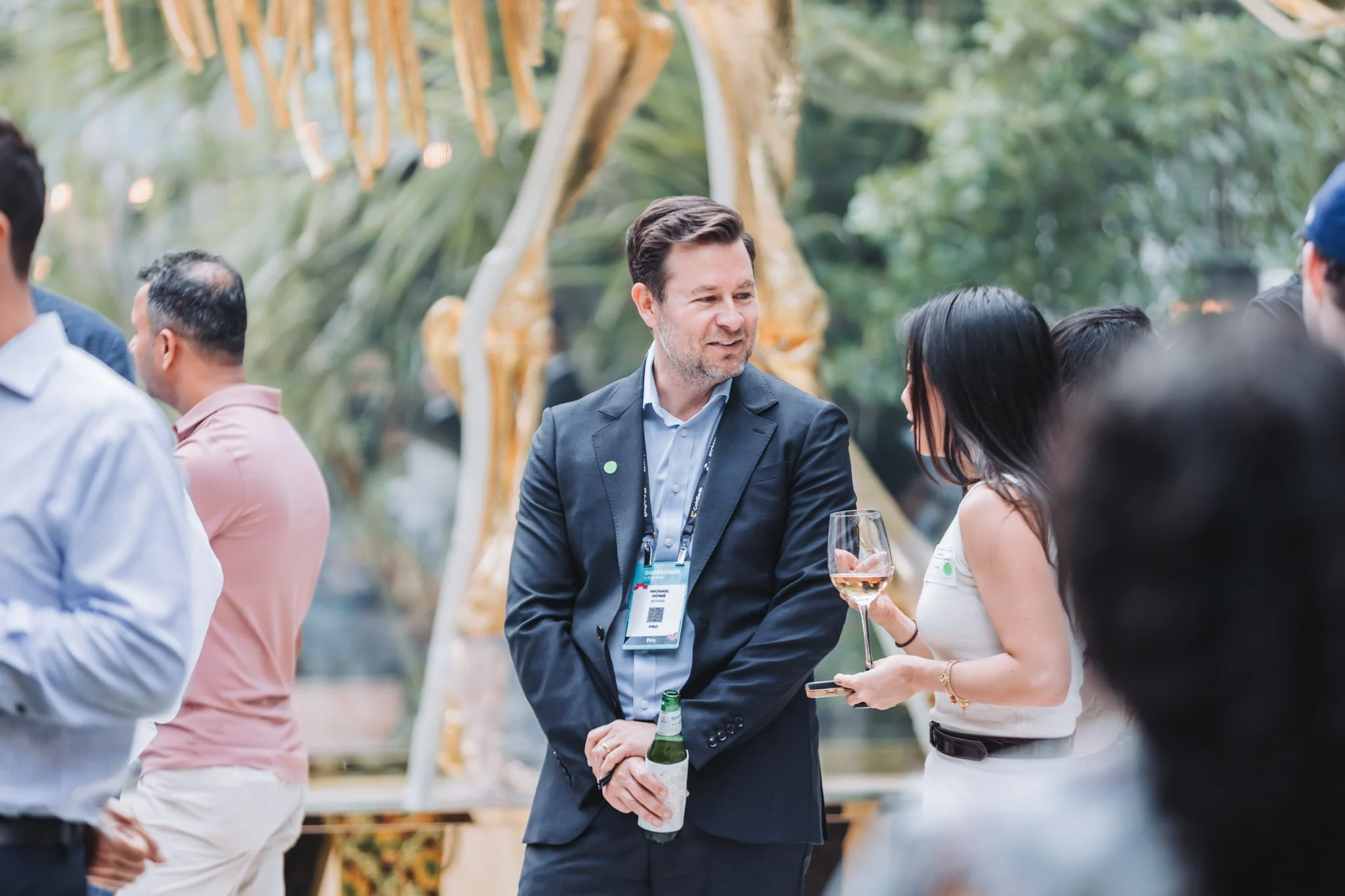
While we'll certainly document the event, understanding your priorities allows us to create content with purpose.
Ask yourself:
Is leadership visibility important?
Are sponsors your biggest priority?
Is attendee engagement the main goal?
Are you creating content to market next year's conference?
Do you need more website content than social media content?
Knowing the answers helps your media team tell the right story instead of simply documenting the day.
MAE Photography LLC 2026
5. Your Sponsors Want More Than Just One Photo
Sponsors invest heavily in your event.
Help maximize that investment by making sure they're featured throughout the day.
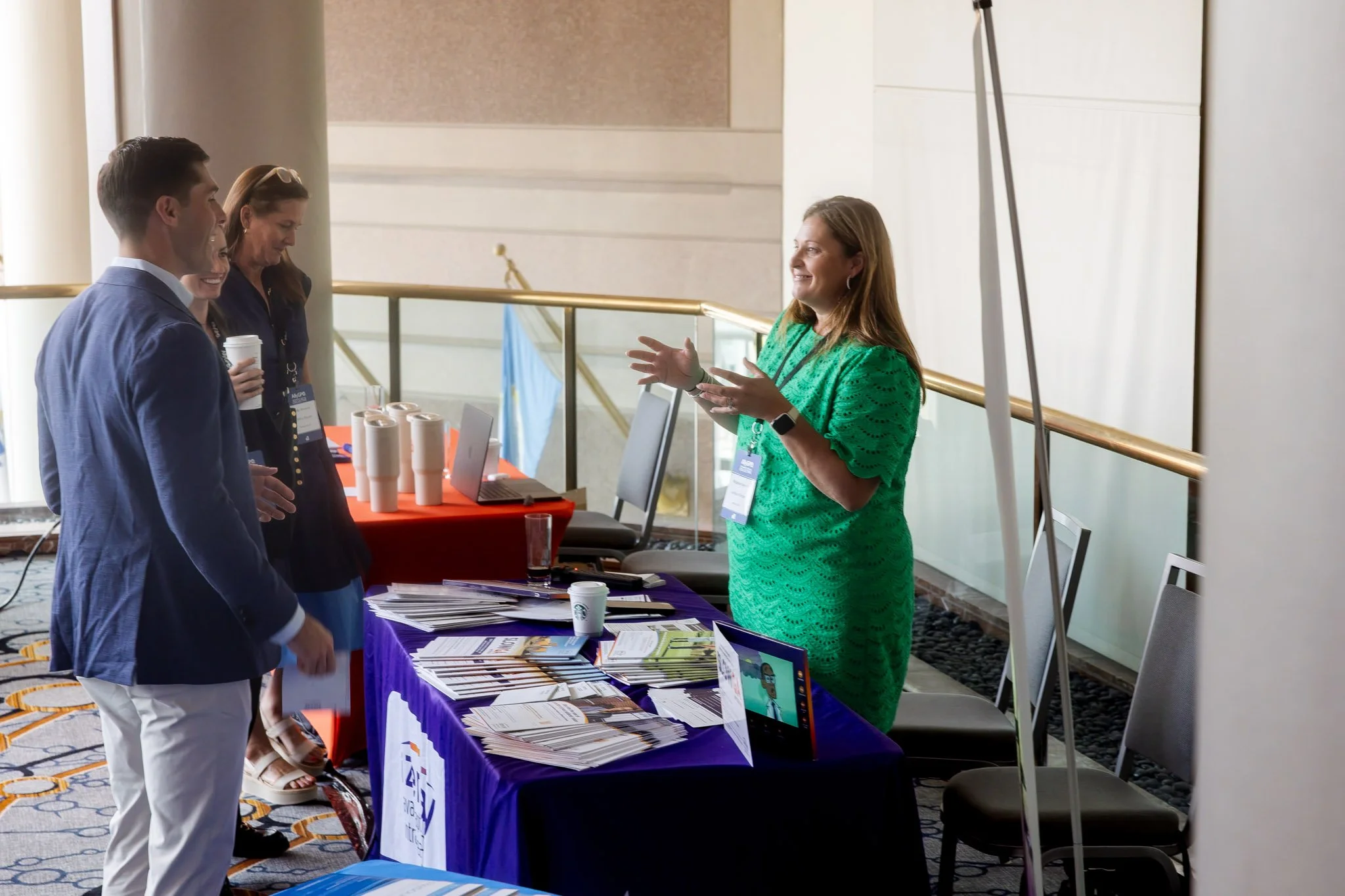
Great sponsor coverage includes:
Booth interactions
Product demonstrations
Branded signage
Representatives talking with attendees
Guests actively engaging with sponsor experiences
These images become valuable marketing assets that sponsors can use themselves—and they also help demonstrate ROI when it's time for sponsorship renewals.
MAE Photography LLC 2026
6. A Few Planned Content Moments Beat Hundreds of Random Photos
The strongest event galleries aren't always the biggest.
They're the most intentional.
Before your event begins, think about moments you'd love to use six months from now.
Examples include:
Leadership greeting attendees
Team celebrations
Client conversations
VIP networking
Group photos before sessions begin
Executive portraits
Planning these moments ahead of time often creates the images that end up on company websites, annual reports, brochures, and LinkedIn.
7. Think Beyond Event Day
The conference may last one or two days.
The content can work for your business all year.
One event can provide assets for:
Website updates
Recruiting campaigns
Social media
Speaker highlight videos
Sponsor recap reports
Sales presentations
Marketing future conferences
When you begin thinking of event photography and video as a long-term investment instead of a one-day expense, the value grows exponentially.
MAE Photography LLC 2026
Final Thoughts:
Your event media is so much more than just a collection of photos or videos, it’s a strategic asset that amplifies your brand and your sponsors’ success long after the event ends. At MAE Media, we help planners bring their vision to life with intentional storytelling and nationwide reach. If you’re ready to transform your next event into a lasting marketing asset, visit maepictures.com today and let’s start planning!